 Save to Pinterest
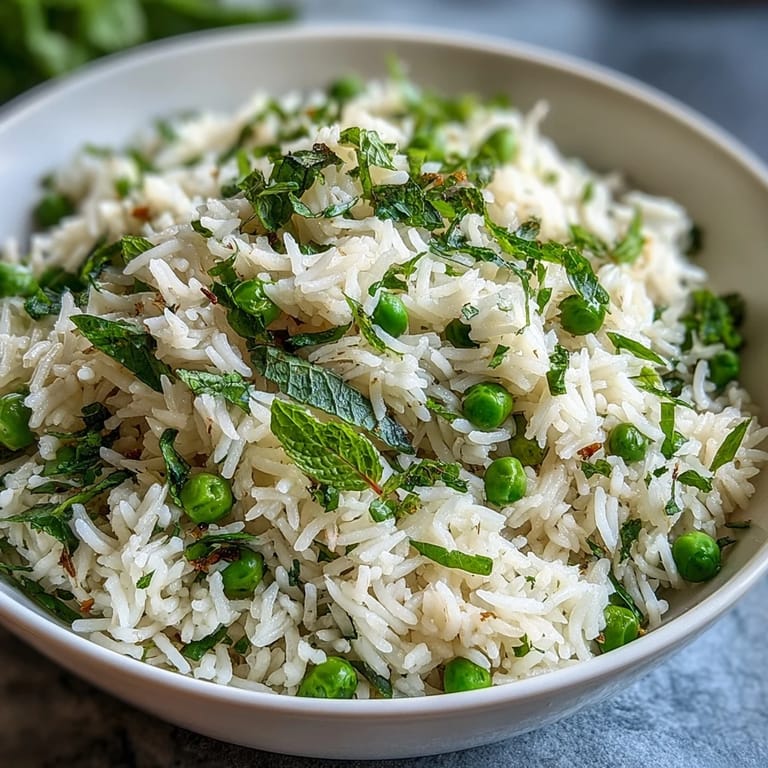
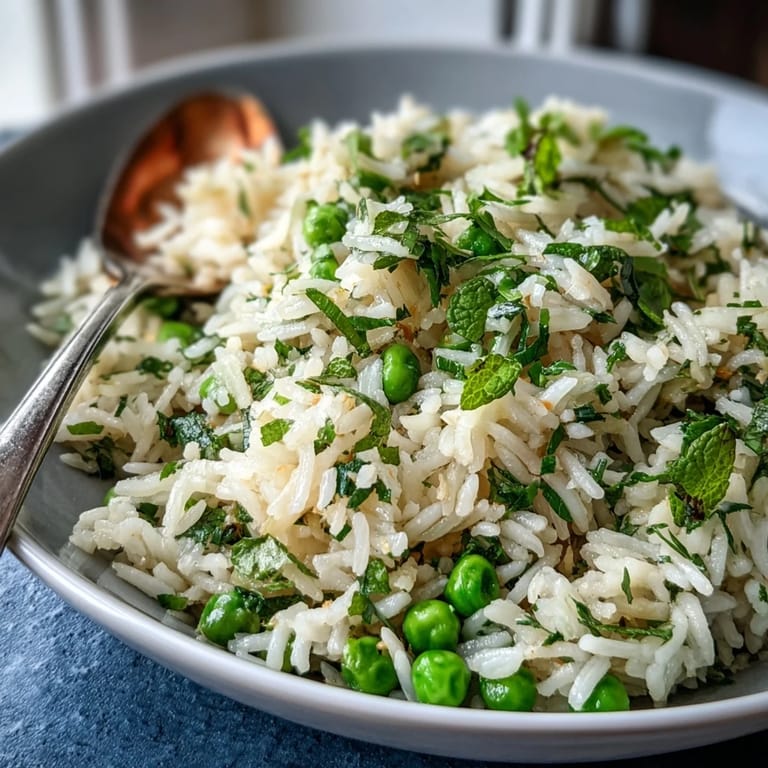
 There's something about the first warm afternoon of spring that makes you want to cook something green and alive. I was standing in the farmers market, overwhelmed by piles of fresh mint and those jewel-like peas still in their pods, when a woman next to me mentioned she'd been making the same simple rice pilaf every Easter for twenty years. That stuck with me—not the tradition itself, but how she described it: like edible sunshine on a plate. I went home determined to capture that feeling, and what emerged was this fragrant, buttery rice that tastes like the season itself.
I made this for a casual dinner with friends who were skeptical about side dishes—they'd rather focus on the main event, they said. But when I set this down, still steaming, the whole table went quiet for a moment. Someone asked what made it smell so good, and I realized it was the combination of mint and butter doing something almost floral. By the end of the meal, there was barely anything left, and my friend texted me the next day asking for the recipe. That's when I knew it was something worth making again and again.
Ingredients
- Long-grain white rice: Basmati or jasmine work beautifully here because they stay separate and don't clump; rinsing them first removes excess starch and helps them cook evenly.
- Low-sodium vegetable broth: This gives you control over the salt and lets the delicate flavors of the mint and peas shine through without getting masked.
- Fresh or frozen spring peas: Fresh are wonderful in season, but frozen peas are honestly just as good—sometimes better, since they're frozen at peak ripeness and don't need any special prep.
- Yellow onion: The humble base that softens into sweetness and disappears into the rice, creating a subtle flavor foundation.
- Unsalted butter: Use real butter here; it's worth it, and the flavor difference is noticeable in such a simple dish.
- Garlic: Just enough to whisper its presence without shouting—thirty seconds is all it needs to bloom and release its magic.
- Fresh mint leaves: This is the star, so use fresh if you can; dried mint tastes like old paperback books compared to this.
- Lemon zest: The brightness that wakes everything up at the end; a zester or microplane makes this effortless.
- Salt and pepper: Taste as you go—the broth brings salt, so you're just seasoning to balance, not starting from scratch.
Tired of Takeout? 🥡
Get 10 meals you can make faster than delivery arrives. Seriously.
One email. No spam. Unsubscribe anytime.
Instructions
- Rinse your rice like you mean it:
- Cold water, swirling gently with your fingers until the water runs clear—this removes the starchy coating that would otherwise make everything gummy. It takes maybe a minute and makes an actual difference.
- Build your aromatic base:
- Melt the butter over medium heat and let the onion soften slowly for two to three minutes until it's turning translucent and sweet. This isn't a race; the slower you go here, the deeper the flavor.
- Bloom the garlic:
- Add your minced garlic and stir for just thirty seconds—you want to hear it sizzle and smell that green, sharp fragrance, but not let it brown and turn bitter.
- Toast the rice gently:
- Stir the rinsed rice into the butter and aromatics, coating each grain. You'll notice the rice starts to smell nutty and warm after about a minute of stirring.
- Add your liquid and bring it to life:
- Pour in the broth, add your salt and pepper, and let it come to a boil—you'll see the liquid bubble up and the kitchen smell like comfort. Once it boils, reduce the heat immediately to low.
- Let it simmer undisturbed:
- Cover the pot and let it sit for fifteen minutes without peeking; the steam does the work, and lifting the lid lets the heat escape. Trust the process here.
- Introduce the peas at just the right moment:
- After fifteen minutes, stir in your peas—frozen straight from the freezer is fine, no thawing needed—and cover again for five minutes. This timing keeps them tender but not mushy.
- Let it rest briefly:
- Turn off the heat and let the pot sit covered for five minutes; this gives the rice a chance to fully absorb any remaining liquid and become fluffy.
- Fluff and finish with fresh herbs:
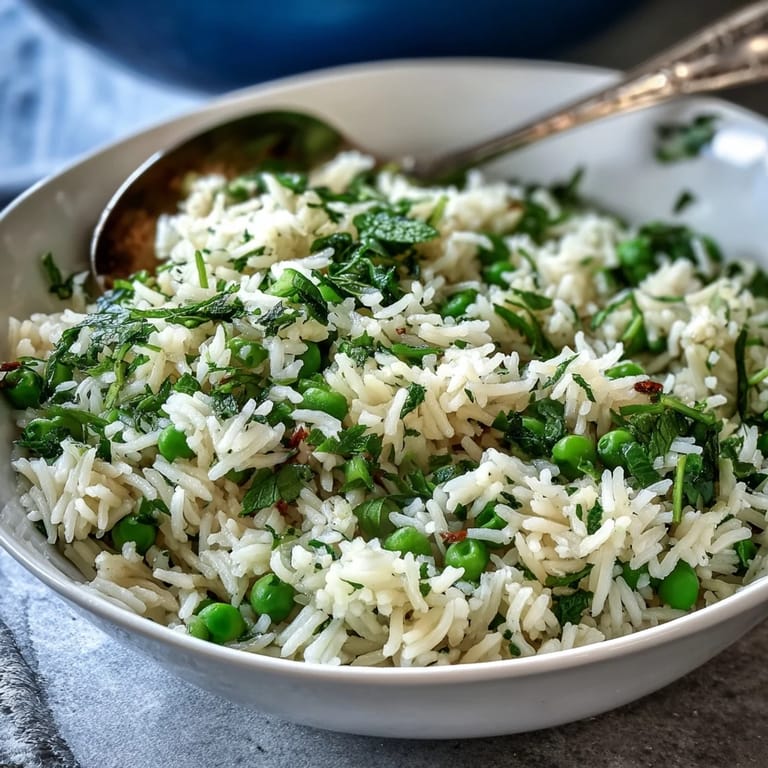
- Use a fork to gently break up the rice, then fold in your mint, parsley if using, and lemon zest—the warm rice will smell absolutely intoxicating at this point. Taste and adjust seasoning if needed.
 Save to Pinterest
 There was a moment, standing in my kitchen with the pot lid still in my hand, when I understood why my neighbor had been making this for two decades. It wasn't nostalgia or routine—it was that the dish itself is proof that simple ingredients, treated with just a little care and attention, become something greater than the sum of their parts. Every time I make it now, I think about that conversation and how food has a way of connecting strangers across years.
Why Mint Matters Here
Mint in this dish does something unexpected—it doesn't taste minty in the toothpaste sense, but rather adds a cool, green brightness that makes your mouth wake up and notice the peas and rice all over again. The key is freshness and timing: old mint leaves that have been sitting in your crisper drawer will taste dusty, but leaves that came home from the market yesterday will taste alive. I learned this the hard way when I tried making it with dried mint once and ended up with something that tasted more like tea than spring.
When to Make This
This pilaf is perfect in that sweet spot between spring and early summer, when fresh peas are actually available and mint is at its peak in gardens and markets everywhere. But honestly, frozen peas mean you can make it anytime you want that feeling of spring on your plate, which matters when January is dragging on and you need a reminder that brightness exists. Serve it alongside roasted chicken, grilled fish, or ham—it plays well with almost anything without trying to steal the show.
Small Changes That Matter
Once you've made this a few times, you start noticing where you can play around without losing what makes it work. Some people use half olive oil and half butter for a lighter flavor, others add scallions or chives for a different kind of sharpness, and one friend swears by adding a tiny pinch of cardamom for something almost floral. The beauty is that the recipe is forgiving enough to accommodate your preferences while staying recognizably itself.
- If you want something more herbaceous, add two tablespoons of finely chopped fresh chives or scallions along with the mint.
- For a touch of luxury, finish with a small knob of cold butter folded in right at the end, which makes the rice taste almost creamy.
- Make it ahead if you need to—it reheats gently with a splash of broth and actually tastes good cold the next day as a salad-like side.
 Save to Pinterest
 Every time I make this, I'm reminded that the best recipes are the ones that taste like care and aren't trying too hard. This is that kind of dish.
Questions & Answers
- → Can I use frozen peas for this dish?
Yes, frozen peas can be added directly from the freezer during the final cooking stage without thawing.
- → What type of rice works best here?
Long-grain rice varieties like basmati or jasmine provide a fluffy texture ideal for this pilaf.
- → How can I make this dish vegan?
Substitute the unsalted butter with plant-based butter or olive oil while maintaining the same cooking method.
- → Is it important to rinse the rice before cooking?
Rinsing removes excess starch, preventing the rice from becoming sticky and ensuring a light, fluffy texture.
- → Can I prepare this ahead of time?
Yes, this pilaf can be made in advance and gently reheated with a splash of broth to restore moisture.
- → What herbs enhance the flavor besides mint?
Flat-leaf parsley adds a fresh note, and optional scallions or chives provide additional herbal depth.