 Save to Pinterest
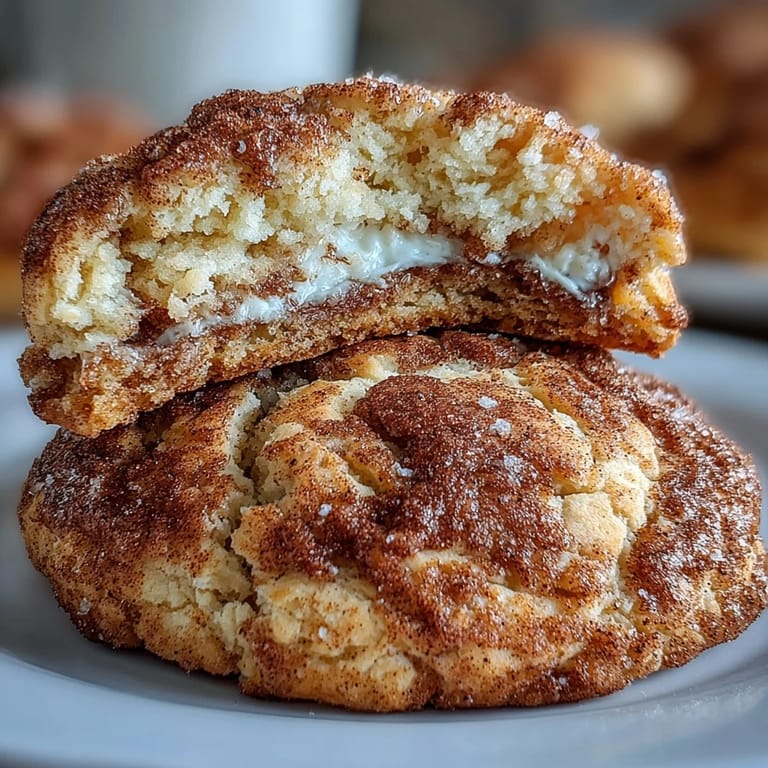
 My sister called me in a panic one afternoon, insisting her cottage cheese was about to expire and she needed a recipe that wouldn't taste like, well, cottage cheese. I laughed and suggested snickerdoodles, but she hesitated—wouldn't that be weird? Three hours later, she texted a photo of golden, pillowy cookies dusted in cinnamon sugar, and the message simply said: 'I'm never telling anyone what's in these.' That's when I knew we'd stumbled onto something special.
I brought these to a book club meeting expecting polite smiles, but instead watched three people sneak second and third cookies before the book discussion even started. One friend kept asking the ingredient list, suspicious of how something so soft and flavorful could be this simple. When I finally confessed about the cottage cheese, she didn't believe me until I showed her the mixing bowl.
Ingredients
- Cottage cheese (1 cup, full-fat or low-fat): This is your secret weapon for tenderness—it adds moisture and that almost imperceptible tang that makes people wonder what you did differently, so don't skip it or substitute with Greek yogurt unless you're comfortable with a tangier result.
- Unsalted butter (1/2 cup, softened): Room temperature is non-negotiable here; cold butter won't cream properly and you'll end up with dense cookies.
- Granulated sugar (1 cup for dough, 1/4 cup for coating): The sugar dissolves into the wet mixture and helps create that pillowy texture we're after.
- Large egg: One egg is enough to bind everything together without making the dough greasy or cakey.
- Vanilla extract (2 tsp): Use real vanilla if you have it; imitation works but real extract adds warmth that complements the cinnamon beautifully.
- All-purpose flour (2 1/4 cups): Measure by spooning flour into your measuring cup and leveling off, not by scooping directly from the bag.
- Cream of tartar (1 1/2 tsp): This is what makes snickerdoodles snickerdoodles—it reacts with baking soda to create that slightly tangy flavor and chewy edges.
- Baking soda (1/2 tsp) and baking powder (1/2 tsp): Together they create gentle lift without making the cookies spread too much or brown too quickly.
- Salt (1/2 tsp): A small amount enhances sweetness and balances the tang from the cream of tartar.
- Ground cinnamon (2 tsp for coating, plus optional pinch for extra warmth): Cinnamon is the star of the show here, so use fresh cinnamon that smells fragrant when you open the jar.
Tired of Takeout? 🥡
Get 10 meals you can make faster than delivery arrives. Seriously.
One email. No spam. Unsubscribe anytime.
Instructions
- Get Your Oven Ready:
- Preheat to 350°F and line two baking sheets with parchment paper so nothing sticks and browning stays even. This takes about five minutes while you gather your ingredients.
- Cream the Wet Base:
- Beat the cottage cheese, softened butter, and 1 cup of sugar together until the mixture is smooth and creamy, about two to three minutes—you want to see the sugar dissolve and the whole thing lighten slightly. The cottage cheese will break down and integrate so smoothly you might forget it's there.
- Add Egg and Vanilla:
- Mix in one large egg and 2 teaspoons of vanilla extract until everything is fully incorporated and the mixture looks homogeneous. This usually takes about 30 seconds of mixing at medium speed.
- Combine the Dry Ingredients:
- In a separate bowl, whisk together flour, cream of tartar, baking soda, baking powder, and salt so the leavening agents are distributed evenly throughout. You'll smell the cream of tartar's distinctive tang, which is a good sign.
- Bring It All Together:
- Gradually add the dry mixture to the wet mixture while stirring gently—this is where patience matters because overmixing develops gluten and makes cookies tough. Stop as soon as you don't see flour streaks anymore, even if there are tiny lumps.
- Make Your Cinnamon Sugar Coating:
- In a small bowl, stir together 1/4 cup of sugar and 2 teaspoons of ground cinnamon until evenly mixed. The mixture should smell wonderful and look uniformly speckled.
- Shape and Coat:
- Scoop tablespoon-sized portions of dough and roll each into a ball with your hands, then immediately roll it in the cinnamon sugar mixture until every side is coated. The warmth of your hands helps seal the coating onto the dough.
- Space on the Sheets:
- Place cookies 2 inches apart on your prepared baking sheets because they'll spread slightly and you don't want them touching. Two inches of space lets air circulate and ensures even cooking.
- Bake Until Perfect:
- Bake for 11 to 13 minutes, watching for the moment when the edges look set and the tops appear just dry to the touch—the centers will still jiggle slightly and that's exactly right. A minute or two too long and they firm up, losing that pillowy quality.
- Cool with Intention:
- Let the cookies rest on the baking sheet for five minutes so they set without becoming hard, then transfer to a wire rack to cool completely. This resting period is crucial because the residual heat continues to cook them gently.
 Save to Pinterest
 There was a moment during a quiet Sunday morning when my daughter sat at the kitchen counter with a warm cookie, milk mustache on her face, completely content. That's when I realized these cookies represent something bigger than just a recipe—they're proof that creativity in the kitchen doesn't require fancy ingredients or complicated techniques, just willingness to try something unexpected.
Why Cottage Cheese Works Here
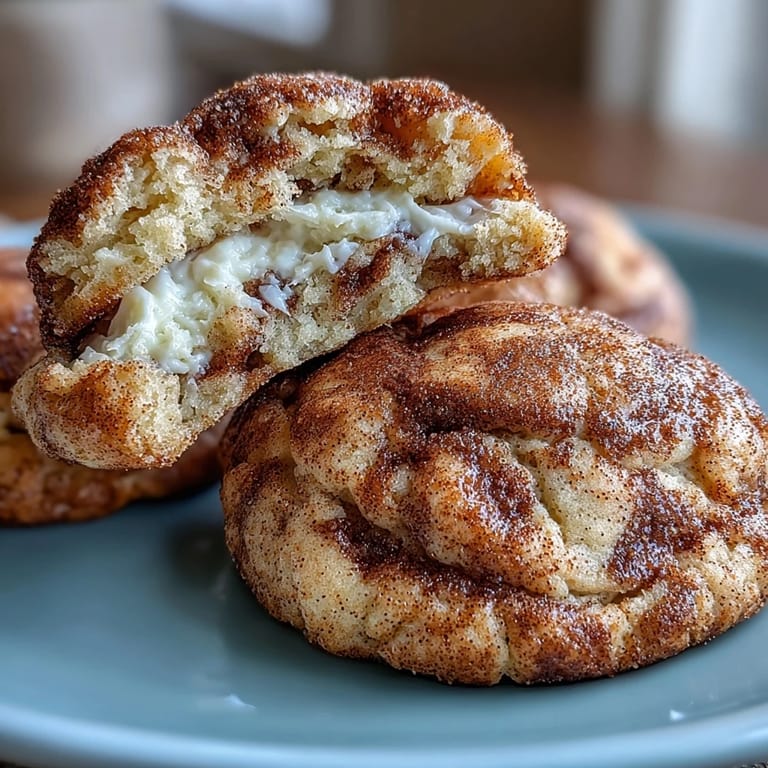
Cottage cheese sounds strange for cookies, but it's actually a baker's secret that's been around longer than most of us realize. The curds create pockets of moisture that keep the cookie tender, while the whey adds a subtle tanginess that sophisticated palates recognize but can't quite identify. It's similar to how sour cream or yogurt enhance baked goods, except cottage cheese is more subtle and adds richness without heaviness. The dairy fat in full-fat cottage cheese especially creates an almost velvety mouthfeel that makes people ask for the recipe with suspicion in their voice.
The Cinnamon Sugar Dance
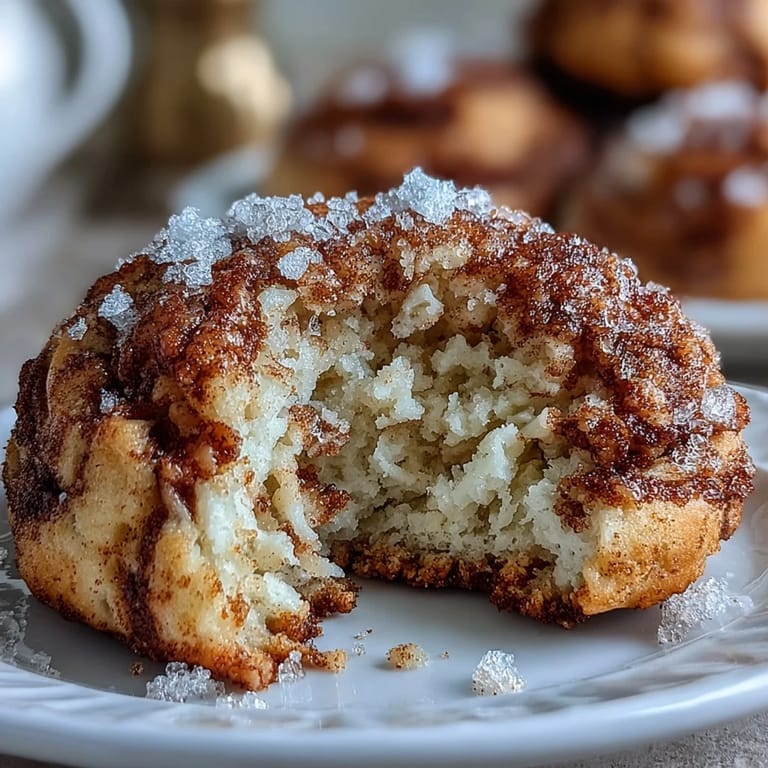
Rolling warm dough balls in cinnamon sugar is where the magic happens, and it's more intuitive than you'd think. The dough is warm enough that the sugar adheres without the mixture sliding off, and the friction of rolling actually seals the coating onto the surface. When these cookies bake, the cinnamon sugar on the outside caramelizes just slightly, creating a textural contrast with the soft interior that elevates the entire experience. This is why those fancy bakery snickerdoodles taste so good—they understand that coating matters as much as the dough itself.
Variations and Personal Touches
Once you make these once, you'll want to play with them. I've added a pinch of nutmeg to the cinnamon sugar on cold mornings when I wanted something warmer, and substituted ricotta for a milder, more delicate flavor. Some people brush the baked cookies with melted butter and then dust them with extra cinnamon sugar while still hot—it's indulgent and delicious, though purists will resist. The base recipe is forgiving enough to handle small tweaks without falling apart.
- Try adding 1/4 teaspoon of cardamom to the cinnamon sugar coating for an unexpected spice note that feels both familiar and intriguing.
- If you prefer a thinner, crispier cookie, bake at 375°F instead of 350°F and reduce the time to 9 to 11 minutes, but watch them carefully.
- Store finished cookies in an airtight container with a slice of bread to maintain softness for up to four days.
 Save to Pinterest
 These cookies are proof that the best recipes often hide in plain sight, waiting for someone curious enough to try them. Make a batch this week and watch what happens when you serve them to people who think they know what snickerdoodles should taste like.
Questions & Answers
- → What gives these cookies their soft texture?
The inclusion of cottage cheese adds moisture and tenderness, resulting in soft, pillowy cookies with a slight tang.
- → Can I substitute ricotta for cottage cheese?
Yes, ricotta can be used for a milder flavor while still maintaining a soft texture.
- → How do I prevent the cookies from overbaking?
Remove them from the oven once the edges are set and tops look dry, then allow to cool on the baking sheet to retain softness.
- → What is the role of cinnamon sugar in these treats?
The cinnamon sugar coating adds a fragrant, sweet-spicy crust that defines the snickerdoodle experience.
- → Are there any suggested flavor additions?
A pinch of nutmeg added to the cinnamon sugar enhances warmth and depth of flavor.