 Save to Pinterest
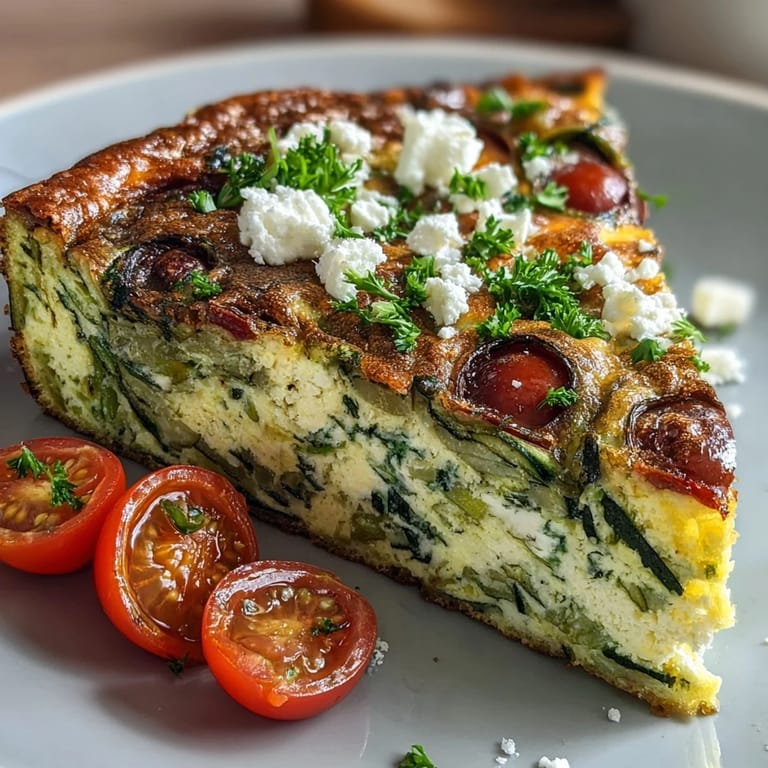
 There's something almost magical about watching a skillet of raw vegetables transform into a golden, puffy frittata right before your eyes. My sister called one spring morning asking what I was making for lunch, and when she arrived to find this vibrant dish cooling on the counter, she practically moved in for the afternoon. What started as a way to use up an overflowing farmers market haul became the dish I now make whenever I need something that feels special but requires barely any effort. The best part? One pan means more time with guests and less time scrubbing.
I'll never forget my neighbor's face when she tasted this for the first time at a casual Sunday brunch I hosted. She asked for the recipe between bites, which honestly felt like the ultimate compliment since she's the type who actually cooks. Now whenever spring arrives, she texts me asking if I'm making it again, and somehow we always end up eating directly from the skillet while sitting on the porch.
Ingredients
- Asparagus: Trimmed and cut into 1-inch pieces (1 cup) - this is the star vegetable that announces spring has arrived, and cutting them smaller ensures they cook evenly without becoming woody.
- Baby spinach: Roughly chopped (1 cup) - it wilts down dramatically so don't be afraid of the volume, and the iron content makes you feel like you're doing something healthy.
- Cherry tomatoes: Halved (1/2 cup) - these burst slightly during cooking and release their juice into the eggs, creating pockets of flavor throughout.
- Zucchini: Diced (1/2 cup) - adds moisture and texture without any fussiness, and works especially well if you grow your own or get ambitious at the market.
- Red onion: Finely chopped (1/4 cup) - sautéing it first softens the bite and builds flavor that carries through the entire dish.
- Large eggs: (6) - the foundation of everything, and room temperature eggs whisk more smoothly than cold ones straight from the fridge.
- Milk: (1/4 cup) dairy or non-dairy - this creates a silkier texture than eggs alone, and you can honestly use whatever you have on hand.
- Crumbled feta cheese: (1/3 cup) - adds a tangy salty note that balances the fresh vegetables, and it doesn't melt completely so you get little pockets of flavor.
- Fresh parsley and chives: Chopped (2 tablespoons parsley, 1 tablespoon chives) - these go on at the end and brighten everything with a fresh herbal note.
- Salt, black pepper, and red pepper flakes: (1/2 teaspoon salt, 1/4 teaspoon black pepper, 1/4 teaspoon red pepper flakes optional) - taste as you go because salt levels vary wildly between different vegetables.
- Olive oil: (1 tablespoon) - use your good stuff here since it's such a small amount and makes a difference in flavor.
Tired of Takeout? 🥡
Get 10 meals you can make faster than delivery arrives. Seriously.
One email. No spam. Unsubscribe anytime.
Instructions
- Heat your oven and skillet:
- Preheat to 375°F and let your 10-inch oven-safe skillet warm over medium heat with the olive oil for about a minute. You want it hot enough that the onions sizzle gently when they hit the pan, not so hot that they burn.
- Start with the onion base:
- Add the red onion and sauté for 2 minutes, stirring occasionally, until it becomes soft and slightly translucent. This creates a flavor foundation that makes everything taste better.
- Layer in the heartier vegetables:
- Toss in the asparagus and zucchini with a pinch of salt, cooking for 3 to 4 minutes while stirring occasionally. You're looking for them to soften just slightly while still maintaining some structure, not turning into mush.
- Add the delicate greens and tomatoes:
- Stir in the spinach and cherry tomatoes, cooking for 1 to 2 minutes until the spinach wilts down and releases its moisture. The tomatoes will soften slightly at the edges but shouldn't fall apart completely.
- Prepare your egg mixture:
- While the vegetables cook, whisk together the eggs, milk, salt, black pepper, and red pepper flakes in a separate bowl until well combined and slightly frothy. This whisking incorporates air that helps create a fluffy texture once it bakes.
- Combine everything in the skillet:
- Pour the egg mixture evenly over the vegetables, then scatter the feta cheese, parsley, and chives across the top. The cheese and herbs should sit on the surface so they stay visible and don't sink into the eggs.
- Start on the stovetop:
- Let the skillet cook on medium heat for 2 to 3 minutes until you notice the edges starting to set and pull away slightly from the sides. You'll see the bottom layer of eggs beginning to firm up while the center stays loose and creamy.
- Finish in the oven:
- Transfer the skillet carefully to the preheated oven and bake for 10 to 12 minutes until the center is set but still slightly creamy and the top develops a light golden color. A slight jiggle in the very center is okay, as it will continue cooking slightly from residual heat.
- Cool and serve:
- Let it rest for a few minutes before slicing into wedges, then serve warm or at room temperature. It tastes equally good several hours later, making it perfect for grab and go moments throughout the day.
 Save to Pinterest
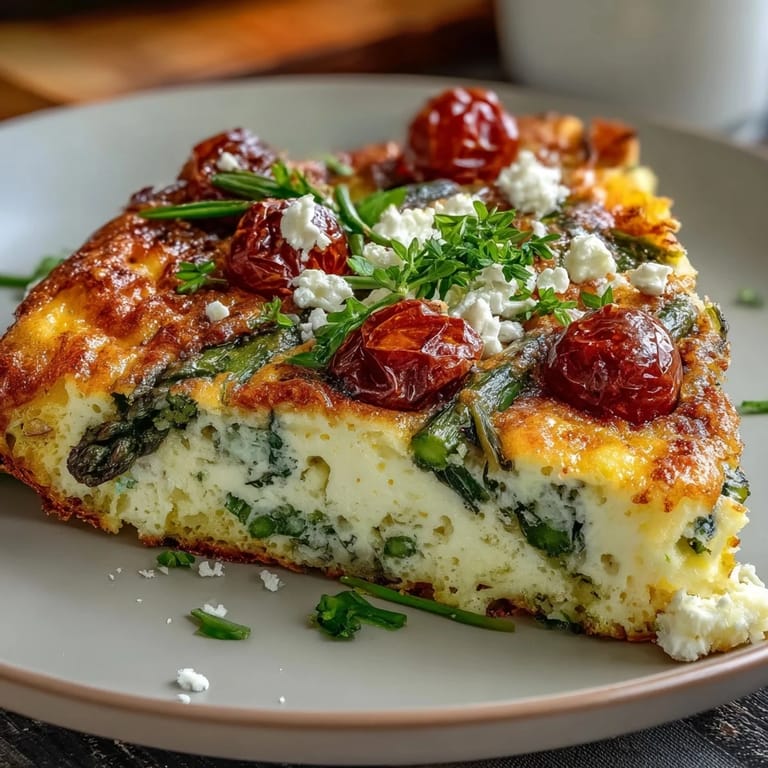
 The moment I realized this frittata had become more than just a recipe was when my nephew, who normally picks at everything, asked for seconds without being prompted. He's the type of kid who exists on chicken nuggets and pasta, so watching him eat an entire wedge loaded with vegetables felt like witnessing a small miracle. Since then, I've learned that the best recipes are the ones that make people feel cared for without announcing how hard you worked.
Why Spring Vegetables Taste Better in Eggs
There's a reason frittatas became such a beloved classic, and it has everything to do with how eggs act like a blank canvas for whatever produce is currently in season. When spring vegetables—with their tender texture and bright flavor—get wrapped in a custard-like egg mixture, something magical happens where neither ingredient overwhelms the other. The vegetables stay intact and distinct instead of becoming muddy or overcooked, which is what I learned after attempting countless vegetable-heavy omelets that turned into scrambles.
Temperature and Timing Matter More Than You'd Think
I used to make frittatas that were either rubbery on top and undercooked in the middle, or perfectly cooked but somehow bland. The turning point came when I started paying attention to oven temperature and how long I let it cook on the stovetop first. Those initial 2 to 3 minutes on the stove create a layer of structure that allows the oven to bake the center evenly without overcooking the edges, and I learned this lesson the hard way after too many failed breakfast attempts.
Seasonal Swaps and Storage Tips
What makes this recipe so forgiving is that it adapts beautifully to whatever season brings—leeks in early spring, peas when they arrive, summer squash, roasted root vegetables in fall. I've made versions with fresh herbs from my garden, vegetables left over from other dinners, and even ones that were hastily assembled from what remained in the refrigerator. This frittata keeps well in the fridge for up to three days, tastes wonderful at room temperature, and actually improves slightly as flavors meld together overnight.
- Try adding roasted vegetables, fresh herbs, or even last night's leftover cooked vegetables to create endless variations.
- Store covered in the refrigerator and reheat gently in a low oven rather than the microwave to maintain the texture.
- This dish freezes beautifully too, though the texture becomes slightly less creamy when thawed and reheated.
 Save to Pinterest
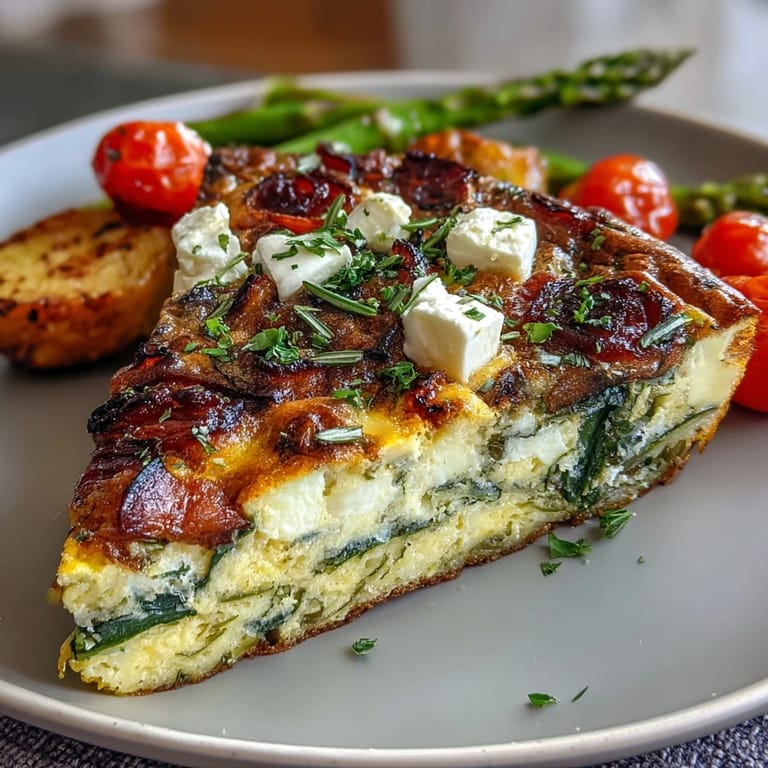
 This frittata has become my answer to almost every meal situation because it requires minimal effort and tastes like you actually planned something thoughtful. Whether you're feeding yourself on a quiet morning or bringing it to share with friends, this dish somehow communicates care without requiring hours in the kitchen.
Questions & Answers
- → Can I substitute the feta cheese?
Yes, for a dairy-free option, you can use plant-based cheese or omit it altogether without compromising flavor.
- → What vegetables work best in this dish?
Asparagus, baby spinach, cherry tomatoes, zucchini, and red onion create a fresh spring mix, but peas or leeks can be used seasonally.
- → How do I ensure the frittata cooks evenly?
Cook the vegetables on the stovetop first, then pour the egg mixture evenly. Baking in an oven-safe skillet helps set the frittata uniformly.
- → Is this suitable for gluten-free diets?
Yes, all main ingredients are naturally gluten-free, making this an ideal choice for gluten-sensitive individuals.
- → Can I prepare this in advance?
You can assemble the mixture ahead of time and refrigerate before cooking, which helps save time on busy mornings.