 Save to Pinterest
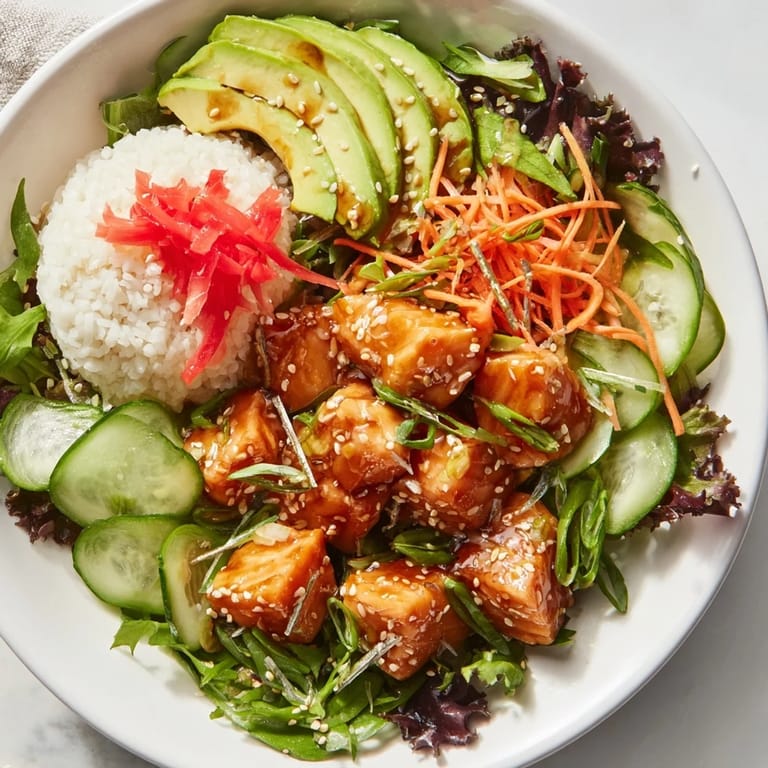
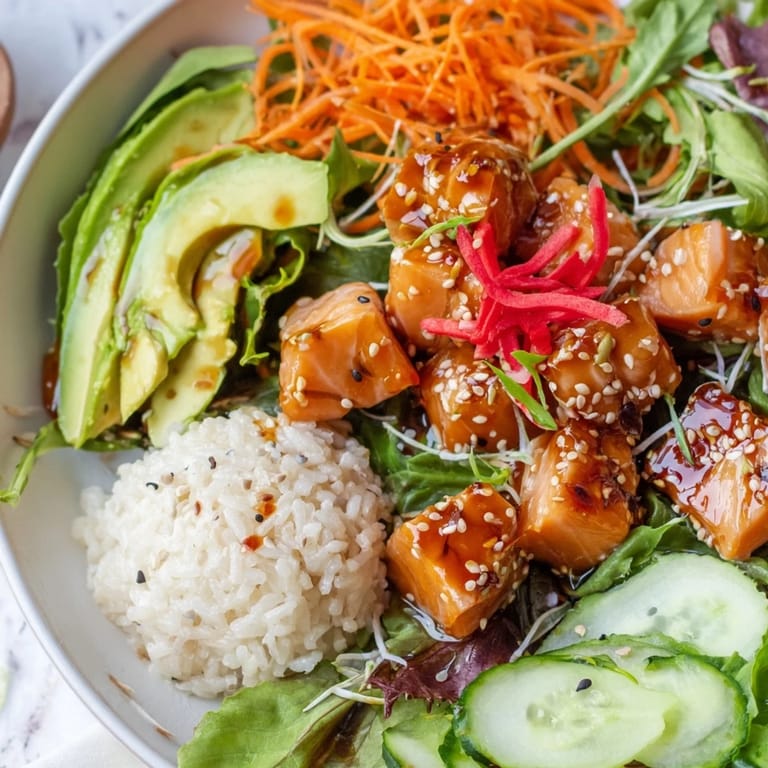
 The first time I assembled a poke bowl at home, I was standing in my kitchen on a Tuesday evening, craving something that tasted like the ocean but didn't require leaving my apartment. I'd just bought sushi-grade salmon from the market, still cold from the case, and as I cubed it carefully with my sharpest knife, something clicked—this wasn't just raw fish on rice, it was a moment of simplicity meeting elegance. Twenty minutes later, I had a bowl in front of me that looked restaurant-worthy, and I realized how easy it was to capture that fresh, vibrant feeling whenever I wanted.
I made this for friends on a warm evening, setting out the components family-style so everyone could build their own bowl exactly how they wanted it. Watching someone taste it for the first time—that moment when their expression shifts from curiosity to genuine delight—reminded me why I love cooking dishes that feel both casual and special.
Ingredients
- Sushi-grade salmon or tuna (400 g / 14 oz, cubed): This is the star, so buy from a reputable fishmonger and ask them directly if it's safe for raw consumption. The quality difference between sushi-grade and regular fish is everything.
- Soy sauce (2 tbsp): Use tamari if you need gluten-free, and don't be afraid to adjust the amount based on your salt preference.
- Sesame oil (1 tbsp): The toasted kind carries a deeper, nuttier flavor that regular sesame oil can't match.
- Rice vinegar (1 tbsp): This adds brightness without harshness, balancing the richness of the fish and oil.
- Freshly grated ginger (1 tsp): Fresh is non-negotiable here—pre-ground loses its punch.
- Honey or maple syrup (1 tsp): Just a whisper of sweetness to round out the marinade's sharpness.
- Garlic (1 small clove, minced): One clove is enough; too much overpowers the delicate fish.
- Mixed salad greens (120 g / 4 cups): Romaine, baby spinach, and arugula together give you texture and a peppery undertone.
- Cucumber (1 medium, thinly sliced): The cooling element that keeps each bite refreshing.
- Avocado (1 large, sliced): Creamy and rich, it bridges the cold fish and the greens beautifully.
- Carrots (2 small, julienned): They add sweetness and a subtle crunch that contrasts with the soft elements.
- Cooked sushi rice or brown rice (120 g / 1 cup, optional): This transforms the salad into a more substantial meal if you want it.
- Toasted sesame seeds (2 tbsp): These add nutty depth and texture—toast them yourself if you can.
- Scallions (2 tbsp, sliced): Their fresh, mild onion flavor is the finishing touch that makes everything come alive.
- Nori strips (from 1 sheet): A hint of umami and that briny, ocean-like taste that reminds you why you love poke.
- Pickled ginger: Serve on the side for a palate-cleansing bite between spoonfuls.
- Red chili (1 small, sliced, optional): A whisper of heat if you want it.
Tired of Takeout? 🥡
Get 10 meals you can make faster than delivery arrives. Seriously.
One email. No spam. Unsubscribe anytime.
Instructions
- Make the marinade first:
- Whisk together the soy sauce, sesame oil, rice vinegar, ginger, honey, and garlic in a bowl until everything is incorporated and glossy. This is your flavor foundation—taste it as you go, and adjust the soy or vinegar if it needs more depth.
- Marinate the fish:
- Add your cubed salmon or tuna to the marinade and toss it gently so every piece gets coated. Cover the bowl and let it sit in the refrigerator for at least ten minutes while you prep everything else—this short time is enough for the flavors to start melting into the fish.
- Prepare your salad base:
- While the fish is marinating, arrange the greens, cucumber slices, avocado, carrots, and rice (if using) into individual bowls or on a large platter. Think about color and balance as you layer—you want each bite to have a mix of textures and flavors.
- Bring it all together:
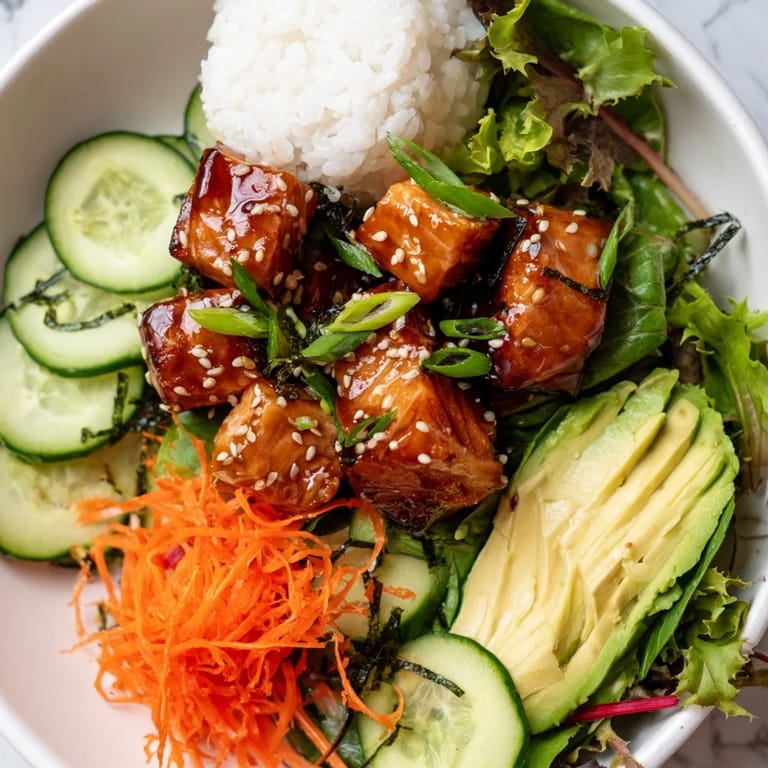
- Top each salad base with the marinated fish and all of the marinade clinging to it. The liquid is liquid gold, so don't waste a drop.
- Garnish generously:
- Sprinkle sesame seeds over the top, scatter the scallions and nori strips, and add a small dollop of pickled ginger on the side. If you're using the chili, add a few slices for heat.
- Serve right away:
- This is best eaten immediately while everything is still crisp and cold, and the marinade hasn't had time to soften the greens.
 Save to Pinterest
 There's something almost meditative about building a poke bowl—the quiet act of arranging fresh ingredients, knowing that what you're creating is both nourishing and a small celebration of good fish and intention. It stopped being just dinner and became a ritual I looked forward to.
Choosing Your Fish
Sushi-grade salmon and tuna are different experiences—salmon is richer and more buttery, while tuna is leaner with a cleaner taste. Neither is wrong; it just depends on your mood. I've found that the fishmonger's mood matters too; ask questions, build a relationship, and they'll steer you toward the best catch of the day.
Building Flavor Through Marinade
The marinade is where the magic happens, and honestly, it's forgiving enough to adjust to your tastes. If you like things spicier, add more ginger or a pinch of red pepper flakes. If you want more depth, a tiny splash of rice wine can deepen the umami. I've learned to taste as I go and trust my instincts rather than following the recipe exactly.
Ways to Make It Your Own
The beauty of a poke bowl is that it's a template, not a rigid formula. I've made versions with edamame for extra protein, crispy radish for unexpected crunch, and even added a drizzle of spicy mayo when I wanted something richer. The core—fresh fish, bright marinade, cool greens—stays the same, but everything else is fair game.
- Try adding edamame, radishes, or corn for textural variety and nutrition.
- A vegetarian version swaps the fish for marinated tofu or tempeh, and honestly holds its own beautifully.
- For a lighter meal, skip the rice entirely and lean into the greens; for something more substantial, add a generous scoop of sushi rice to the base.
 Save to Pinterest
 A poke bowl is proof that simple, quality ingredients don't need much to shine. Come back to this whenever you want something that feels both effortless and thoughtful.
Questions & Answers
- → What fish works best in a poke bowl?
Sushi-grade salmon or tuna are ideal for their freshness and firm texture, complementing the salad base beautifully.
- → Can I use a substitute for fish?
Yes, diced marinated tofu or tempeh provide a vegetarian alternative while maintaining a similar texture and flavor profile.
- → How long should the fish marinate?
Marinate fish for at least 10 minutes to allow flavors to meld without losing the fresh taste.
- → What dressing pairs well with poke ingredients?
A soy-ginger dressing with sesame oil, rice vinegar, honey, and garlic adds a perfect balance of tangy and savory notes.
- → Are there gluten-free options available?
Using certified gluten-free soy sauce (tamari) ensures the dish stays gluten-free without compromising taste.
- → What toppings enhance texture and flavor?
Toasted sesame seeds, scallions, nori strips, and pickled ginger introduce crunch and umami, elevating the overall experience.