 Save to Pinterest
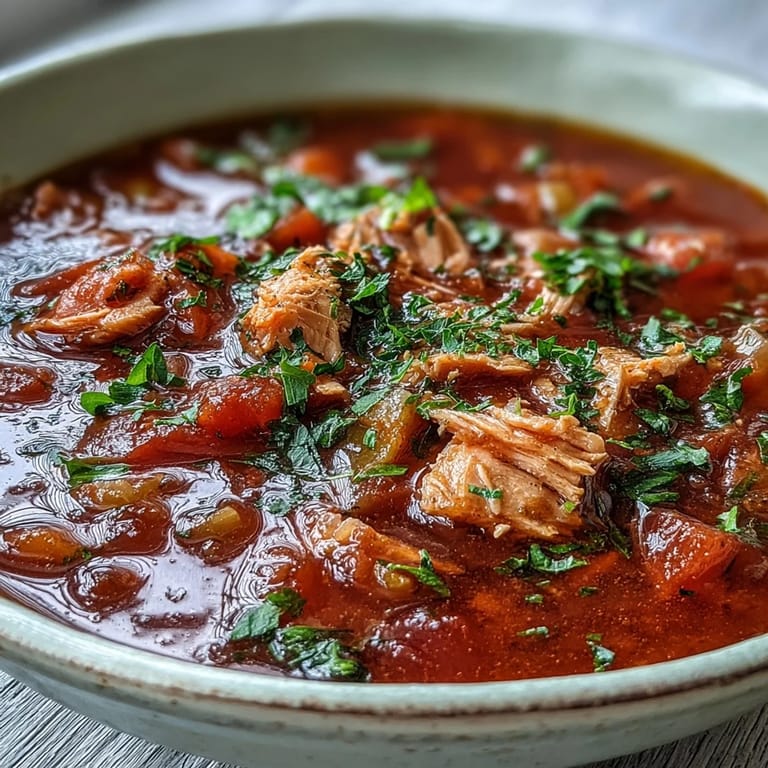
 There's something about opening a can of tuna on a Tuesday afternoon that makes you feel resourceful, like you're about to pull off something delicious without fuss. This soup came together one chilly day when I wanted warmth and substance in under thirty minutes, and what emerged was unexpectedly elegant—the kind of dish that tastes like it took far more effort than it actually did. My Italian neighbor Marco tasted a spoonful and nodded approvingly, which felt like winning a small kitchen medal. It's become my go-to when I need comfort that doesn't demand hours of planning.
I made this for my daughter's friend who announced she was pescatarian, and I was genuinely flustered until I remembered the tuna in my cupboard. Twenty minutes later, watching them both go back for seconds while chatting away made me realize this soup has a quiet magic—it brings people together without any pretension. That moment stuck with me because it proved that sometimes the most memorable meals are the ones born from mild panic and quick thinking.
Ingredients
- Tuna in olive oil (1 can, 5 oz): Drain it well but save a teaspoon of that oil—it adds a subtle richness that canned tuna packed in water simply doesn't deliver.
- Onion, carrot, and celery (1 medium onion, 1 carrot, 1 celery stalk): This holy trinity is where the soup's foundation lives; chopping them evenly helps them soften at the same rate.
- Garlic (2 cloves, minced): Don't be tempted to skip this or use garlic powder—fresh garlic blooming in hot oil is what makes your kitchen smell like an Italian trattoria.
- Canned tomatoes (14 oz): Choose good quality if you can; you'll taste the difference immediately.
- Tomato paste (1 tbsp): This concentrate deepens the flavor without making the soup taste tinny, which is its superpower.
- Vegetable broth (2 cups): Low-sodium is your friend here so you control the salt level entirely.
- Dried oregano and basil (1 tsp each): These herbs are the secret to the Italian backbone; resist the urge to use Italian seasoning blend instead.
- Red pepper flakes (1/4 tsp, optional): A whisper of heat wakes up all the other flavors without overwhelming them.
- Olive oil (2 tbsp): Use something you actually enjoy tasting, not the cheapest bottle on the shelf.
- Salt and black pepper: Taste as you go; soup is forgiving if you season in stages.
- Fresh parsley or basil for garnish (2 tbsp, optional): This final touch transforms the bowl from simple to special, so don't skip it if you have fresh herbs on hand.
Tired of Takeout? 🥡
Get 10 meals you can make faster than delivery arrives. Seriously.
One email. No spam. Unsubscribe anytime.
Instructions
- Wake up the aromatics:
- Heat your olive oil over medium heat and add the chopped onion, carrot, and celery all at once. The sizzle should sound gentle and inviting, not aggressive—if it's screaming, your heat is too high. Let them soften for five minutes, stirring occasionally, until the onion turns translucent and sweet.
- Bloom the garlic:
- Add your minced garlic and stir constantly for just one minute; this brief moment transforms raw garlic into something aromatic and mellow. You'll know it's ready when your nose perks up and the kitchen smells undeniably good.
- Deepen with tomato paste:
- Stir in the tomato paste and let it cook for one full minute, coating everything lightly. This step is easy to rush through, but it matters—the paste needs heat to shed its raw flavor and become savory and complex.
- Build the broth:
- Pour in your diced tomatoes and vegetable broth, then scatter in the oregano, basil, and red pepper flakes if using. Stir until everything looks evenly distributed, like you've just given the pot a good embrace.
- Simmer gently:
- Bring the soup to a gentle boil—you'll see bubbles break the surface consistently—then lower the heat and let it simmer for eight to ten minutes. The vegetables should become tender but not mushy, and the broth will deepen in color and flavor.
- Introduce the tuna:
- Add your flaked tuna and stir gently to distribute it throughout the soup, then simmer for two to three minutes more until everything is heated through. The tuna will warm quickly and add a subtle umami note that makes people wonder what you did differently.
- Taste and adjust:
- Before serving, taste a small spoonful and decide if it needs more salt or pepper. Remember that the tuna and broth both contribute saltiness, so go easy at first.
- Serve with intention:
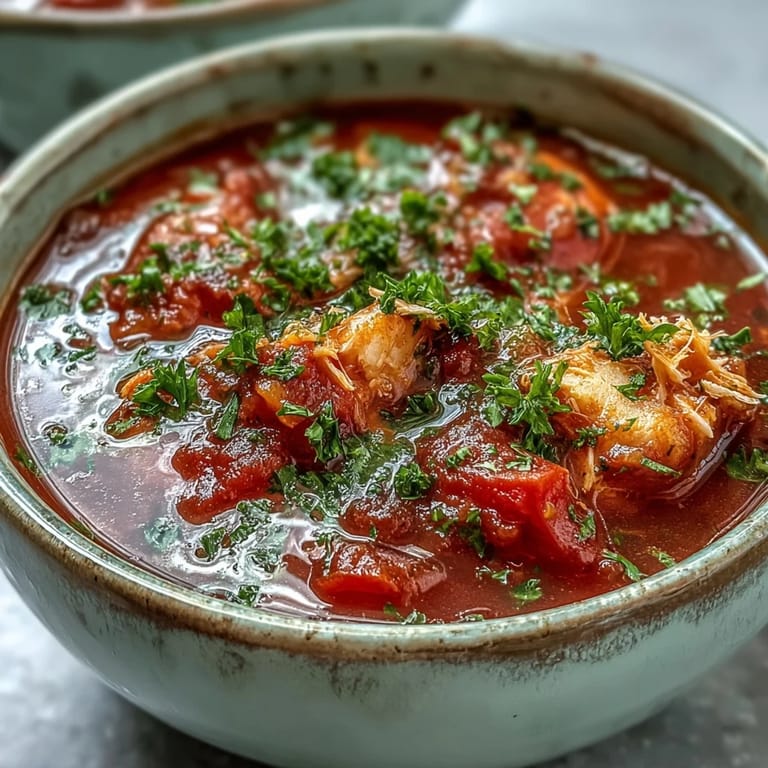
- Ladle the soup into bowls, scatter fresh herbs across the top if you have them, and serve with crusty bread if you're in the mood. The presentation matters more than you'd think for such a simple dish.
 Save to Pinterest
 The moment I understood this soup was special came when my partner, who normally reaches for the fancy takeout menu without thinking, asked if we could make it again the following week. It became our quiet ritual on tired evenings, something we could make together without tension or complicated timing. That's when I realized food isn't always about impressing people—sometimes it's about belonging to a moment that's just right.
Flavor Layers That Matter
What makes this soup sing is the interplay between the sweetness of the softened vegetables, the savory depth of the tomato paste, and the delicate briny note of the tuna. Each element plays a role, and none of them overshadow the others—it's like listening to a quartet where every instrument knows when to step back. The herbs tie everything together with a Mediterranean spirit that feels both comforting and slightly sophisticated.
When You Want to Bend the Recipe
This soup is genuinely flexible, which is one of its greatest strengths. I've added a splash of lemon juice near the end for brightness, stirred in a spoonful of capers for a salty-tangy pop, and even thrown in a handful of small pasta shapes when I wanted something more substantial. The base is sturdy enough to handle these additions without losing its identity, and every variation has felt intentional rather than improvised.
Build Your Own Serving Style
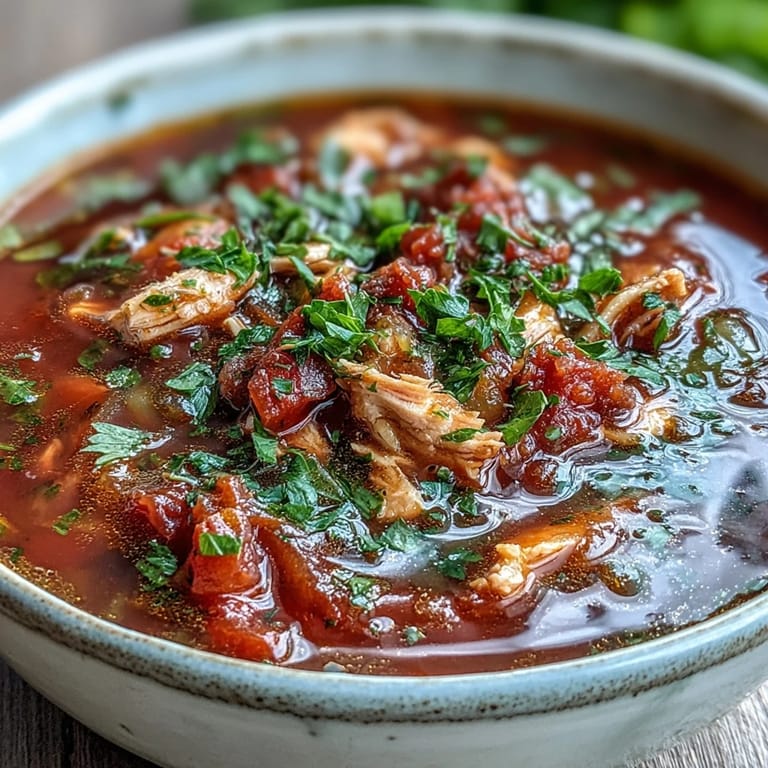
Serve this soup however feels right to you on any given day. On quiet nights, I eat it straight from a mug while standing at the kitchen counter; when guests come over, I ladle it into proper bowls with a flourish of fresh basil and a side of crusty bread. The soup doesn't care about your presentation choices, but you might discover that how you serve it changes how you experience it. Small decisions about garnish, temperature, and accompaniments transform the same pot of soup into something different each time.
- Fresh herbs scattered on top make a visible and aromatic difference, even if you only have a small handful.
- A piece of really good crusty bread isn't optional if you want to soak up every last drop of broth.
- Serve it piping hot but give yourself a moment to cool the first spoonful so you actually taste it.
 Save to Pinterest
 This soup has quietly become one of those recipes I make without consulting notes anymore, the kind that lives in muscle memory and intuition. It's proof that you don't need complexity or exotic ingredients to create something worth sitting down for.
Questions & Answers
- → Can I use fresh tuna instead of canned?
Fresh tuna works but requires different preparation. Grill or sear fresh tuna separately, then add it in the final 2 minutes to prevent overcooking. Canned tuna in olive oil provides the best texture and flavor consistency for this soup.
- → How long does this soup keep in the refrigerator?
Store cooled soup in an airtight container for up to 3 days. The flavors often develop and improve overnight. Reheat gently over medium-low heat, adding a splash of broth if needed to adjust consistency.
- → Can I freeze this soup?
Yes, freeze in portions for up to 3 months. Cool completely before transferring to freezer-safe containers. Thaw overnight in the refrigerator and reheat gently on the stovetop. The texture may remain slightly thicker after freezing.
- → What can I substitute for the vegetable broth?
Chicken broth works well for a richer flavor profile. Fish stock adds depth but may overpower the delicate tuna taste. Water seasoned with extra herbs and a bay leaf makes a suitable light alternative.
- → How can I make this soup more filling?
Add small pasta shapes like ditalini or orzo during the last 8-10 minutes of cooking. A can of white beans such as cannellini adds protein and creaminess. Serve with extra crusty bread or a side salad for a complete meal.
- → Is it necessary to use tuna packed in olive oil?
Tuna in olive oil provides superior flavor and moisture. Water-packed tuna works but may result in a slightly less rich broth. If using water-packed tuna, consider adding an extra tablespoon of olive oil during cooking.