 Save to Pinterest
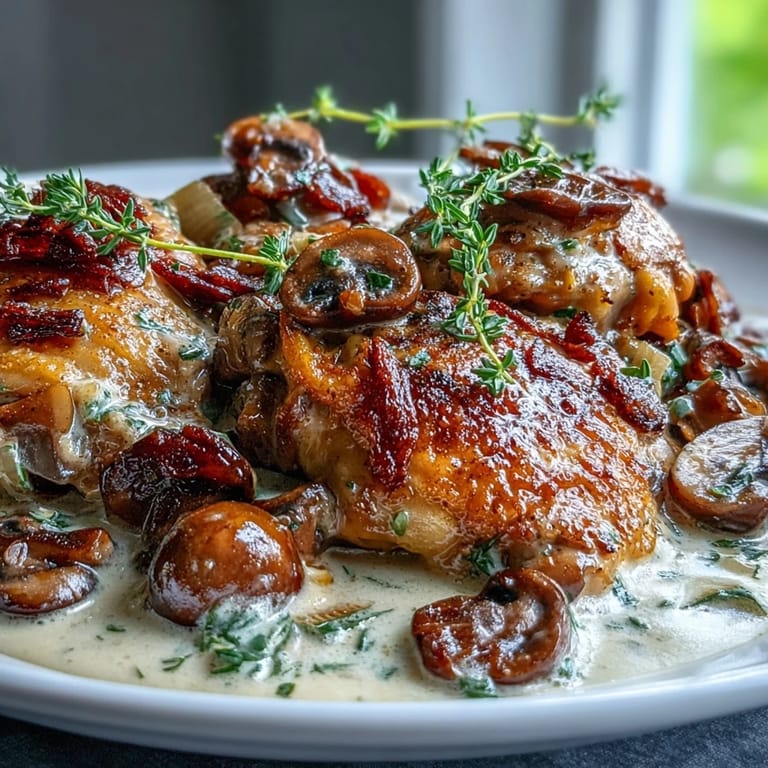
 My neighbor brought home a bottle of rosé one warm May evening and insisted we cook with it instead of the usual red. I was skeptical at first, worried the delicate wine would disappear under the weight of the chicken, but the pot bubbled into something surprisingly refined. The rosé brought out sweetness in the carrots and a floral note I had never tasted in traditional coq au vin. That lighter, almost spring-like braise made me rethink how much a single ingredient swap could transform a classic without losing its soul.
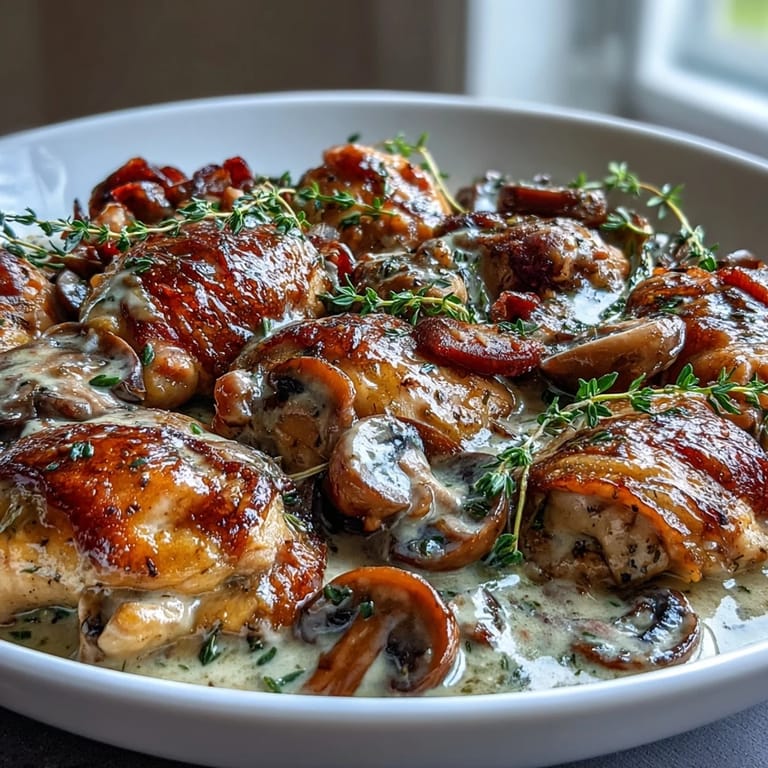
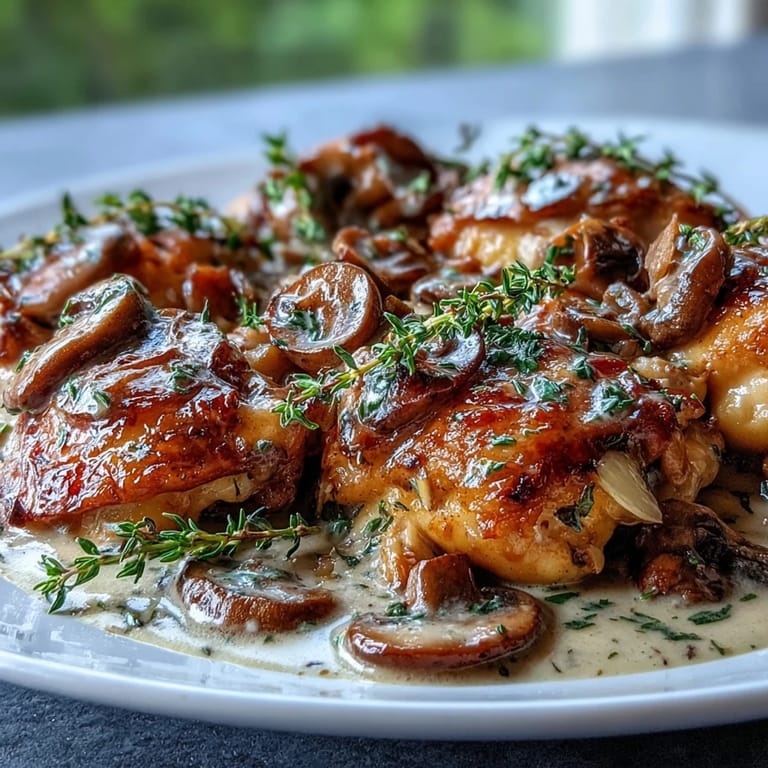
I made this for a small dinner party once, and my friend who swore she only liked red wine dishes asked for seconds before I even served dessert. The mushrooms had soaked up all that rosé and cream, turning silky and rich. Everyone kept dragging bread through the sauce long after their plates were empty, and I realized this version had become my go-to whenever I wanted to feel like I was hosting in a countryside kitchen somewhere in Provence.
Ingredients
- Bone-in, skin-on chicken pieces: Thighs and drumsticks stay moist during the long braise and their bones add body to the sauce you cannot get from breasts.
- Dry rosé wine: Choose one you would actually drink, nothing too sweet, because it becomes the backbone of the entire dish and you will taste every note.
- Olive oil: Use enough to get a good sear on the chicken without crowding the pot, which prevents steaming and gives you those golden, flavorful bits stuck to the bottom.
- Onion, garlic, carrots, leek: This aromatic base builds sweetness and depth, and slicing the carrots on a bias makes them look restaurant-pretty in the finished sauce.
- Cremini or button mushrooms: Quartering them instead of slicing helps them hold their shape and soak up the braising liquid without turning mushy.
- Tomato paste: Just a couple tablespoons deepen the color and add a hint of umami that balances the wine beautifully.
- All-purpose flour: Optional, but a light dusting on the vegetables helps thicken the sauce naturally without adding cornstarch at the end.
- Heavy cream: Stirred in at the finish, it turns the sauce glossy and luscious, tying all the flavors together in a way that feels indulgent.
- Bay leaf, thyme, rosemary: Fresh herbs are worth it here because their oils perfume the pot, and you can fish them out easily before serving.
- Salt and black pepper: Season in layers, tasting as you go, because the wine and cream will mellow the saltiness as they reduce.
- Fresh parsley: A handful of chopped parsley at the end adds a pop of green and a fresh contrast to the rich, creamy sauce.
Tired of Takeout? 🥡
Get 10 meals you can make faster than delivery arrives. Seriously.
One email. No spam. Unsubscribe anytime.
Instructions
- Season and Brown the Chicken:
- Pat each piece completely dry so the skin crisps instead of steams, then season generously with salt and pepper. Heat olive oil until it shimmers, then brown the chicken in batches without moving it too much, letting each side turn deeply golden before flipping.
- Sauté the Aromatics:
- In the same pot with all those tasty browned bits, add onions, carrots, and leek, stirring until they soften and start to smell sweet. Toss in the mushrooms and let them release their moisture and pick up color, about three minutes.
- Build the Flavor Base:
- Stir in the garlic and let it bloom for just a minute, then add tomato paste and cook it down until it darkens slightly and smells rich. If using flour, sprinkle it over the vegetables now and stir to coat everything evenly.
- Deglaze and Braise:
- Pour in the rosé and scrape up every sticky bit from the bottom of the pot, then nestle the chicken back in with the bay leaf, thyme, and rosemary. Bring it to a gentle simmer, cover, and let it bubble lazily over low heat for forty-five minutes until the chicken practically falls off the bone.
- Finish with Cream:
- Fish out the herb sprigs and bay leaf, then stir in the cream and let the sauce simmer uncovered until it thickens just enough to coat the back of a spoon. Taste and adjust the salt and pepper, then garnish with a shower of fresh parsley before serving.
 Save to Pinterest
  Save to Pinterest
 One evening I served this over buttered fingerling potatoes, and my brother, who usually devours anything in minutes, slowed down and actually savored each bite. He looked up and said it tasted like something you would order at a bistro and never expect to make at home. That moment reminded me why I love recipes like this, they turn an ordinary weeknight into something that feels special without requiring culinary school or fancy equipment.
Choosing Your Rosé
A dry Provence-style rosé works beautifully here because it has enough acidity to cut through the cream and enough fruit to complement the chicken. Avoid anything labeled as sweet or blush, which can make the sauce cloying and unbalanced. I once used a bottle from the back of my fridge that was too floral, and the whole dish tasted like potpourri, so now I always taste the wine first and make sure it is something I would happily sip while cooking.
Storing and Reheating
This dish actually tastes better the next day after the flavors have had time to marry in the fridge. Store it in an airtight container for up to three days, and when you reheat it gently on the stovetop, add a splash of chicken stock or water if the sauce has thickened too much. I have even frozen portions without the cream, then stirred it in fresh after reheating, which keeps the texture silky instead of grainy.
Serving Suggestions
I love spooning this over creamy mashed potatoes or wide egg noodles that soak up every drop of sauce. Crusty bread is non-negotiable for mopping up what is left on the plate, and a simple green salad with a sharp vinaigrette cuts through the richness beautifully. Sometimes I roast asparagus on the side during spring, and the slight bitterness plays perfectly against the sweet, winey sauce.
- Serve with a chilled glass of the same rosé you cooked with for a seamless pairing.
- Garnish with extra thyme leaves if you want a more herbal, garden-fresh finish.
- Double the recipe if you are feeding a crowd because there are never leftovers when I make the full batch.
 Save to Pinterest
  Save to Pinterest
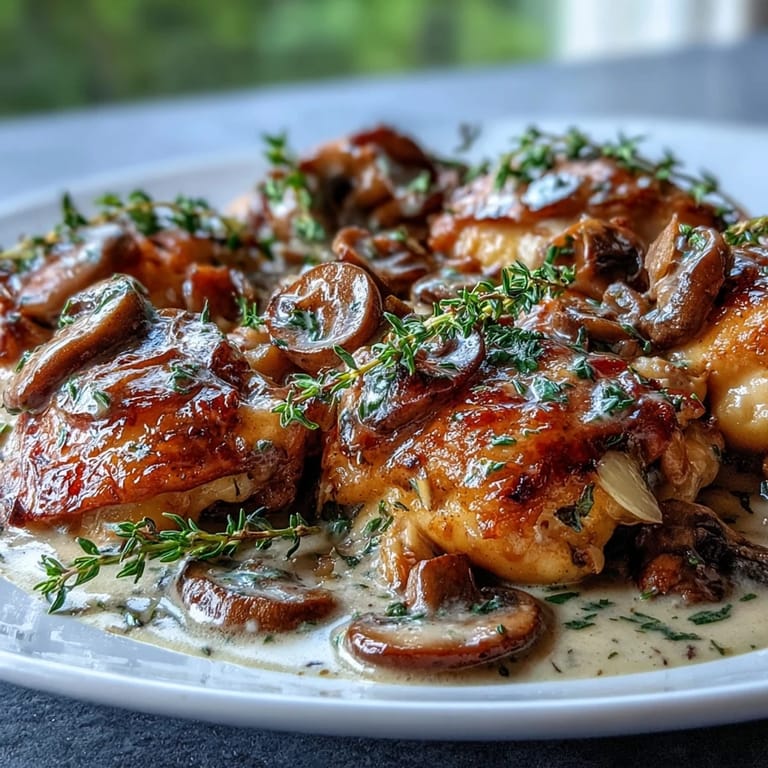
 This lighter take on coq au vin has become my answer to elegant comfort food, the kind of dish that feels like a warm hug without weighing you down. I hope it fills your kitchen with the same delicious aromas and happy memories it has brought to mine.
Questions & Answers
- → Can I use boneless chicken instead of bone-in pieces?
While boneless chicken can be used, bone-in pieces are recommended as they remain more tender during the long braising process and add depth to the sauce. If using boneless, reduce cooking time to 25-30 minutes to prevent drying out.
- → What type of rosé wine works best for this dish?
Choose a dry, medium-bodied rosé wine that you would enjoy drinking. Avoid sweet or overly fruity rosés. Provence-style or Spanish rosados work particularly well, providing the right balance of acidity and flavor without overwhelming the chicken.
- → Can I make this ahead of time?
Yes, this dish actually improves when made ahead. Prepare through step 7, let cool, and refrigerate for up to 2 days. Reheat gently, then add the cream and finish as directed. The flavors will deepen beautifully overnight.
- → How can I thicken the sauce if it's too thin?
If your sauce is too thin after adding cream, continue simmering uncovered for a few more minutes to reduce. Alternatively, remove the chicken and vegetables, increase heat, and reduce the liquid to your desired consistency before returning everything to the pot.
- → What can I substitute for heavy cream?
For a lighter version, use half-and-half or crème fraîche. Crème fraîche adds a pleasant tang and won't curdle when heated. You can also use full-fat coconut cream for a dairy-free alternative, though it will alter the traditional flavor profile slightly.
- → Why do I need to brown the chicken first?
Browning creates a flavorful crust on the chicken and develops fond (browned bits) on the bottom of the pot. These caramelized bits are deglazed with the wine and contribute rich, complex flavors to the final sauce that cannot be achieved by simply simmering.