 Save to Pinterest
 The kitchen was warm and loud, filled with the sound of my aunt's voice correcting my rolling technique while steam clouded the windows. I was twelve, standing on a stepstool, determined to prove I could make braciole without the filling spilling out everywhere. She laughed when I used half a ball of twine on one roll, but that braciola held together better than anyone else's that night. Now, every time I make this dish, I still use a little more twine than necessary.
I made this for my husband's family the first time they came for Sunday dinner, nervous and over-seasoning everything out of anxiety. His grandmother took one bite, closed her eyes, and said it reminded her of her mother's kitchen in Palermo. I hadn't expected to cry that night, but I did, realizing food could carry memories across oceans and generations. She asked for seconds, and I knew I'd passed some unspoken test.
Ingredients
- Beef top round or flank steak: Thin slices are essential so they roll without tearing, and flank steak holds up beautifully during the long braise without drying out.
- Pecorino cheese: Its sharp, salty bite balances the sweetness of raisins and adds a distinctly Sicilian flavor that Parmesan can't quite replicate.
- Pine nuts: Toasting them first brings out a buttery richness that makes every bite feel a little luxurious, even on a weeknight.
- Raisins: They plump up in the sauce and add unexpected bursts of sweetness that contrast perfectly with the savory filling.
- Fresh parsley and basil: Brightness is key here, dried herbs won't give you that fresh, grassy note that cuts through the richness.
- Garlic: Minced fine so it melts into the filling and doesn't create harsh pockets of raw flavor.
- Breadcrumbs: They bind the filling just enough to keep everything cohesive without making it dense or heavy.
- Crushed tomatoes: San Marzano if you can find them, their natural sweetness and low acidity make the sauce sing.
- Dry red wine: It deglazes all those beautiful browned bits and adds a subtle depth you'll miss if you skip it.
- Dried oregano: A little goes a long way, it should whisper in the background, not shout.
Tired of Takeout? 🥡
Get 10 meals you can make faster than delivery arrives. Seriously.
One email. No spam. Unsubscribe anytime.
Instructions
- Prep the beef:
- Lay each slice flat on a cutting board and pound gently with a meat mallet until evenly thin, about a quarter inch. Season both sides with salt and pepper, don't be shy, the seasoning needs to penetrate the meat.
- Make the filling:
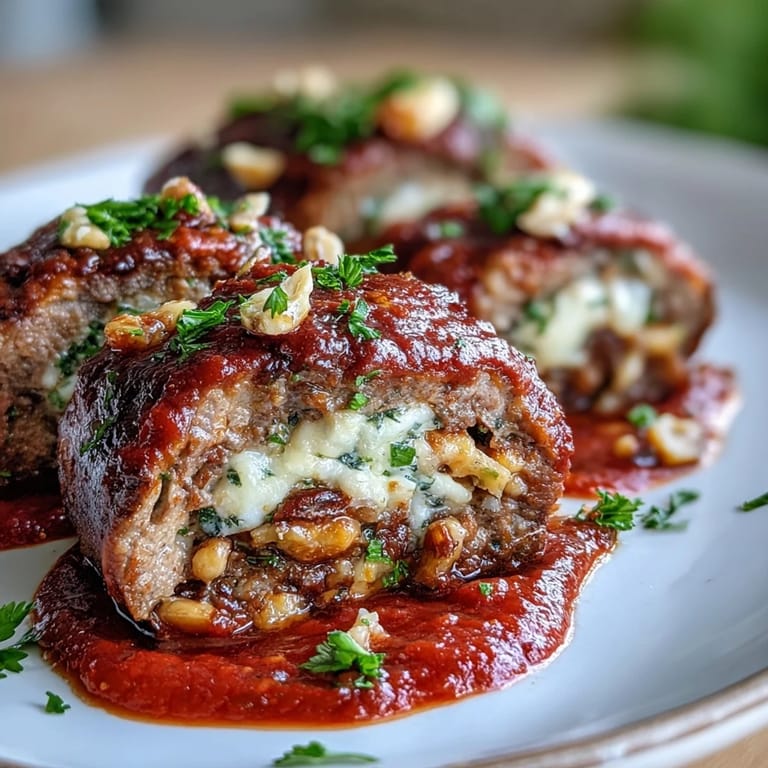
- In a medium bowl, mix together the pecorino, toasted pine nuts, raisins, parsley, basil, garlic, and breadcrumbs until everything is evenly distributed. The mixture should look generous and chunky, not pasty.
- Roll the braciole:
- Spoon a few tablespoons of filling onto each beef slice, spreading it out but leaving a half-inch border on all sides. Roll up tightly from one short end, tucking in the sides as you go, then tie securely with kitchen twine or pin with toothpicks.
- Sear the rolls:
- Heat olive oil in a large skillet over medium-high heat until shimmering, then add the braciole and sear on all sides until deeply browned, about six to eight minutes total. Transfer them to a plate and don't worry if a little filling peeks out, it will add flavor to the sauce.
- Build the sauce:
- In the same skillet, add a little more olive oil and sauté the chopped onion until soft and translucent, about three minutes, then stir in the garlic and cook until fragrant. Pour in the red wine, scraping up all the caramelized bits stuck to the bottom.
- Simmer everything together:
- Add the crushed tomatoes, oregano, salt, pepper, and a pinch of sugar if your tomatoes taste sharp. Bring the sauce to a gentle simmer, nestle the braciole back in, cover, and let everything cook low and slow for about an hour and fifteen minutes, turning the rolls occasionally so they braise evenly.
- Finish and serve:
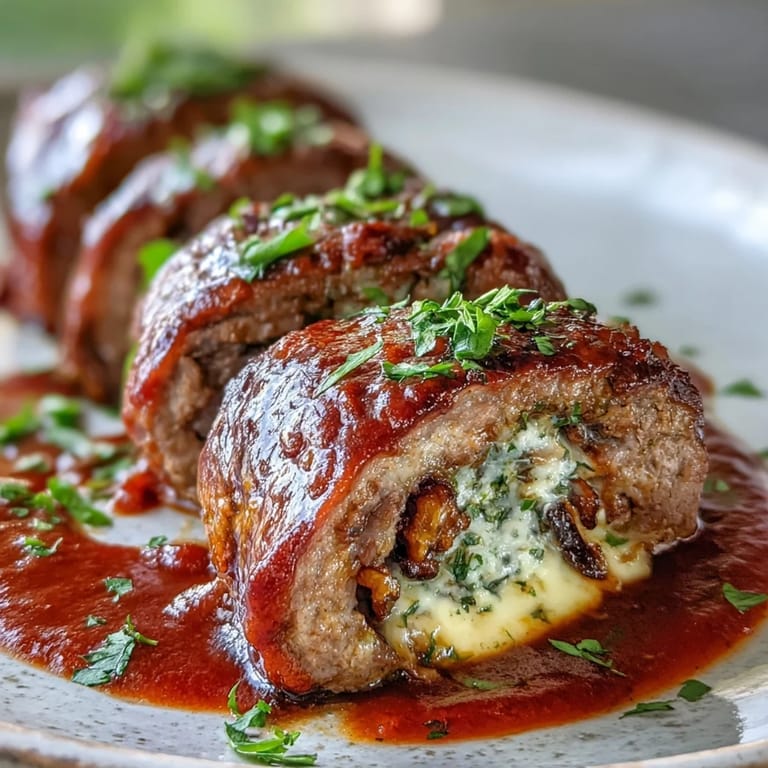
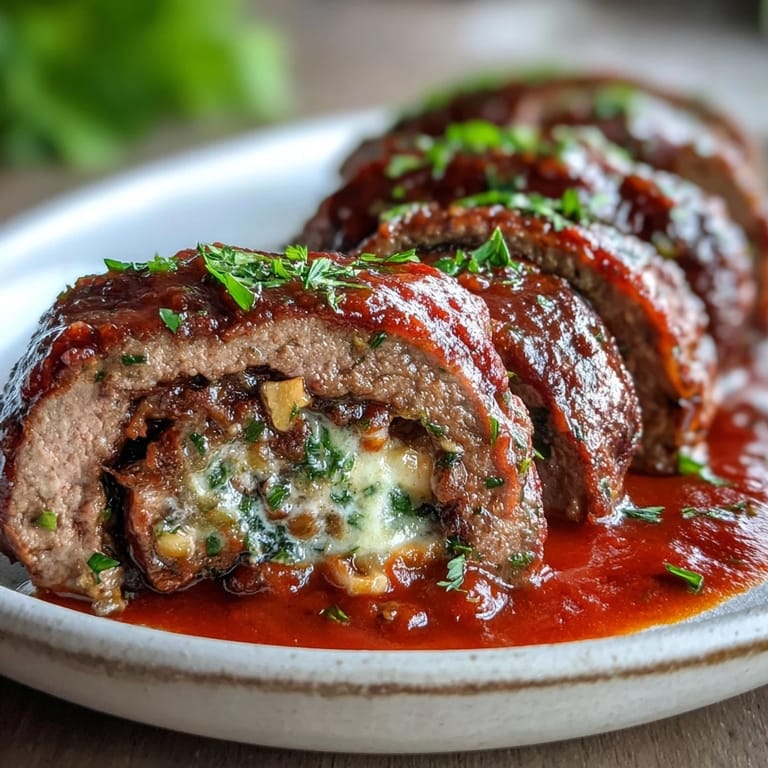
- Remove the braciole from the sauce, snip off the twine or pull out the toothpicks, and slice each roll into thick rounds. Spoon the rich tomato sauce over the top and serve immediately.
 Save to Pinterest
 One winter evening, I served this with a big bowl of rigatoni and watched my kids twist their forks into the sauce-soaked pasta, completely ignoring the salad I'd optimistically set out. My daughter asked if we could have this every Sunday, and my son, mouth full, just nodded. It wasn't fancy, but it was ours, and that made it perfect.
Serving Suggestions
This dish shines when you serve it family-style, sliced braciole arranged on a platter with the sauce pooled around it and a big bowl of pasta on the side. I love pairing it with rigatoni or penne because the sauce clings to the ridges, but creamy polenta or a hunk of crusty bread works just as well for soaking up every last drop. A simple arugula salad with lemon and olive oil cuts through the richness and makes the meal feel complete without much effort.
Make-Ahead and Storage
Braciole is one of those rare dishes that actually improves after a day in the fridge, the flavors meld and deepen in a way that makes leftovers feel like a gift. You can assemble the rolls up to a day ahead, keep them covered in the refrigerator, and sear them right before building the sauce. Leftovers keep well for up to three days in an airtight container, and they reheat beautifully on the stovetop with a splash of water to loosen the sauce.
Variations and Substitutions
If you want to make this dish even richer, tuck a few slices of prosciutto or a wedge of hard-boiled egg into the filling before rolling. You can swap the pine nuts for chopped walnuts or almonds if that's what you have on hand, and golden raisins work just as well as the dark ones. For a lighter version, use chicken cutlets instead of beef and reduce the simmering time to about thirty minutes.
- Add a pinch of red pepper flakes to the sauce if you like a little heat.
- Use gluten-free breadcrumbs to make this suitable for gluten-sensitive guests.
- Try mixing in a handful of chopped fennel to the filling for a subtle anise note.
 Save to Pinterest
 This recipe has taught me that patience and a little bit of love can turn everyday ingredients into something worth gathering around. I hope it brings as much warmth to your table as it has to mine.
Questions & Answers
- → What cut of beef works best for braciole?
Thin slices of beef top round or flank steak work perfectly. Look for cuts about 5 oz each that can be pounded to 1/4-inch thickness for easy rolling and tender results.
- → Can I make braciole ahead of time?
Yes, you can assemble the rolls up to a day ahead and refrigerate them. You can also cook them completely and reheat gently in the sauce before serving.
- → What can I substitute for pine nuts?
Chopped walnuts or almonds make excellent substitutes. Toast them lightly before using to enhance their flavor and texture in the filling.
- → How do I prevent the rolls from unraveling during cooking?
Secure them tightly with kitchen twine or toothpicks after rolling. Sear all sides to seal, and avoid stirring too vigorously while simmering in the sauce.
- → What should I serve with braciole?
Traditional pairings include pasta tossed in the tomato sauce, creamy polenta, or crusty Italian bread to soak up the delicious sauce. A simple green salad completes the meal beautifully.
- → Can I freeze cooked braciole?
Absolutely. Cool completely, then freeze in the sauce in an airtight container for up to 3 months. Thaw overnight in the refrigerator and reheat gently on the stovetop.