 Save to Pinterest
 The garlic hit the butter with a quiet sizzle, and I knew I was about to ruin dinner. My first attempt at shrimp scampi was overconfident and underprepared: rubbery shrimp, bland sauce, and linguine that clumped like wet yarn. But my neighbor, an Italian grandmother who could hear my kitchen disasters through the wall, knocked with a jar of her pasta water and a single instruction: save some next time. That one tip turned everything around.
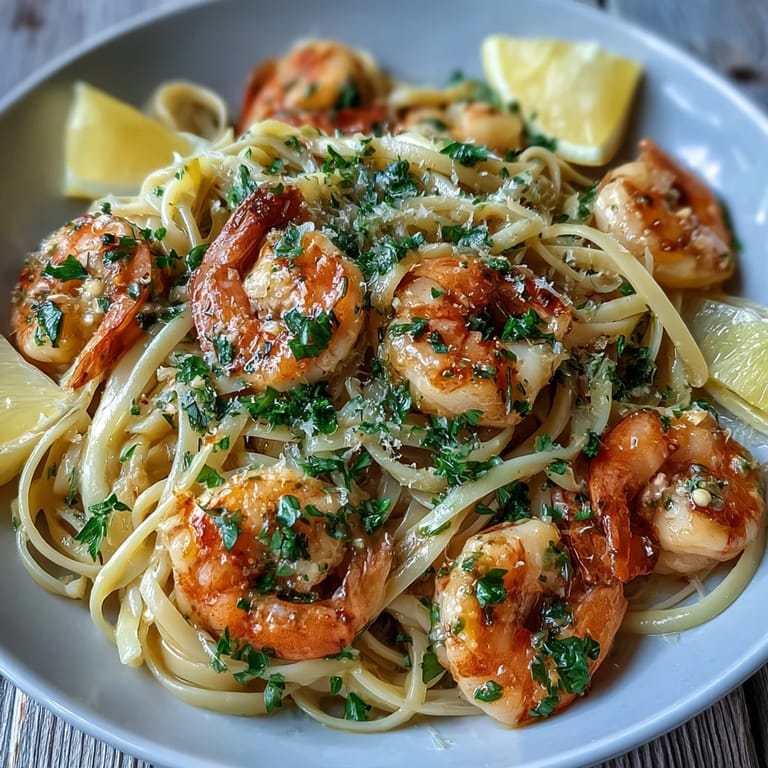
I made this for my partner on a random Tuesday after a long work week, and the kitchen filled with the smell of garlic, butter, and wine before the pasta was even done. We ate it straight from the skillet with a bottle of cold Pinot Grigio, and it felt like we'd stolen a night out without leaving the apartment. The lemon wedges were gone by the end, squeezed over every last bite.
Ingredients
- Large shrimp, peeled and deveined: Look for shrimp that are firm and smell like the ocean, not fishy or ammonia-like, and pat them completely dry so they sear instead of steam.
- Linguine: The flat shape holds onto the buttery sauce better than round pasta, and cooking it just until al dente means it finishes perfectly when tossed with the shrimp.
- Unsalted butter: Using unsalted lets you control the seasoning, and adding it in stages creates a sauce that stays silky instead of breaking.
- Extra-virgin olive oil: Mixing it with butter raises the smoke point and adds a fruity depth that pure butter alone cannot provide.
- Garlic, finely minced: Fresh garlic is non-negotiable here, it blooms in the fat and perfumes the entire dish, but watch it like a hawk because burnt garlic is bitter and irreversible.
- Red pepper flakes: Just a pinch adds warmth without heat, but skip it entirely if you are cooking for anyone who is sensitive to spice.
- Lemon zest and juice: Zest goes in at the end for aroma, juice goes into the sauce for acidity, and together they cut through the richness and wake up your palate.
- Fresh parsley, chopped: This is not just garnish, it adds a grassy freshness that balances the butter and makes the whole dish feel lighter.
- Dry white wine: A wine you would actually drink, like Sauvignon Blanc or Pinot Grigio, deglazes the pan and adds complexity that water or broth simply cannot match.
- Salt and black pepper: Season the shrimp before cooking and taste the sauce before serving, because the pasta water and cheese (if you add it) will affect the final seasoning.
Tired of Takeout? 🥡
Get 10 meals you can make faster than delivery arrives. Seriously.
One email. No spam. Unsubscribe anytime.
Instructions
- Boil the pasta:
- Bring a large pot of salted water to a rolling boil, add the linguine, and cook until it still has a slight bite in the center. Reserve half a cup of the starchy pasta water before draining, it will be your secret weapon for a glossy sauce.
- Prep the shrimp:
- Pat the shrimp completely dry with paper towels and season them lightly with salt and pepper. Wet shrimp will not sear properly, and under-seasoned shrimp taste bland no matter how good the sauce is.
- Start the aromatics:
- Melt 2 tablespoons of butter with 2 tablespoons of olive oil in a large skillet over medium heat, then add the garlic and red pepper flakes. Stir constantly for about a minute until the garlic smells toasty and golden but has not started to brown.
- Sear the shrimp:
- Lay the shrimp in a single layer in the skillet and let them cook undisturbed for 1 to 2 minutes until the bottoms turn pink and opaque. Flip them once and cook the other side, then transfer them to a plate because they will finish cooking in the sauce later.
- Build the sauce:
- Pour the white wine and lemon juice into the hot skillet, scraping up any browned bits stuck to the bottom. Let it simmer for 2 to 3 minutes until it reduces slightly and smells bright and winey.
- Enrich the sauce:
- Stir in the remaining 2 tablespoons of butter and 1 tablespoon of olive oil, swirling the pan until everything melts together into a glossy, emulsified sauce. This step is what makes the sauce cling to the pasta instead of pooling at the bottom of the bowl.
- Return the shrimp:
- Add the shrimp back to the skillet along with any juices that collected on the plate, then toss in the lemon zest and half the parsley. Stir gently to coat everything in the sauce.
- Toss the pasta:
- Add the drained linguine to the skillet and toss everything together with tongs, adding splashes of reserved pasta water as needed to loosen the sauce. The pasta should be glossy and coated, not swimming in liquid.
- Taste and serve:
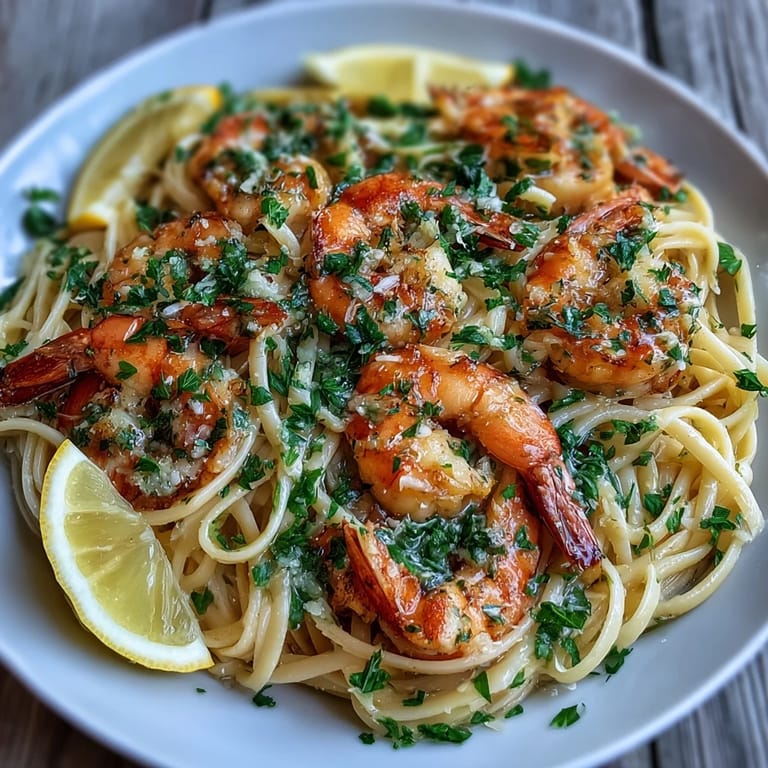
- Adjust the seasoning with more salt, pepper, or lemon juice if needed, then serve immediately with the remaining parsley and lemon wedges on the side. This dish does not wait well, so have everyone at the table before you plate it.
 Save to Pinterest
 The first time I got this right, I stood at the stove and ate three bites straight from the skillet before I even plated it. My hands smelled like lemon and garlic for hours, and I did not care. It was the moment I realized that restaurant-quality food is not about fancy techniques, it is about timing, tasting, and using good ingredients without overthinking it.
Choosing the Right Shrimp
I used to buy whatever shrimp was on sale until I noticed the texture was always a little mushy and the flavor was flat. Fresh or frozen shrimp labeled wild-caught and deveined are worth the extra dollar per pound, and if you can find them with the shells still on, even better because you can make a quick stock from the shells. Avoid shrimp that smell like chlorine or have black spots, and if you are buying frozen, let them thaw slowly in the fridge overnight instead of running them under hot water.
Wine in the Sauce
The rule I follow is simple, if I would not drink it, I will not cook with it. A cheap, overly sweet white wine will make the sauce taste sour and unbalanced, while a crisp, dry wine adds acidity and depth that you cannot get from lemon juice alone. I keep a bottle of Sauvignon Blanc in the fridge specifically for cooking, and I have never regretted it. If you do not drink alcohol, a mix of chicken broth and a splash of white wine vinegar works in a pinch, but the flavor will not be quite as complex.
Serving and Pairing
This dish is best served immediately, straight from the skillet if you are feeling casual, with crusty bread to soak up the extra sauce. A simple arugula salad with lemon vinaigrette cuts through the richness, and a chilled glass of the same wine you cooked with ties everything together. Leftovers reheat poorly because the shrimp toughen and the pasta absorbs all the sauce, so I always make just enough for the number of people at the table.
- If you want to stretch the recipe, toss in halved cherry tomatoes or a handful of spinach at the end.
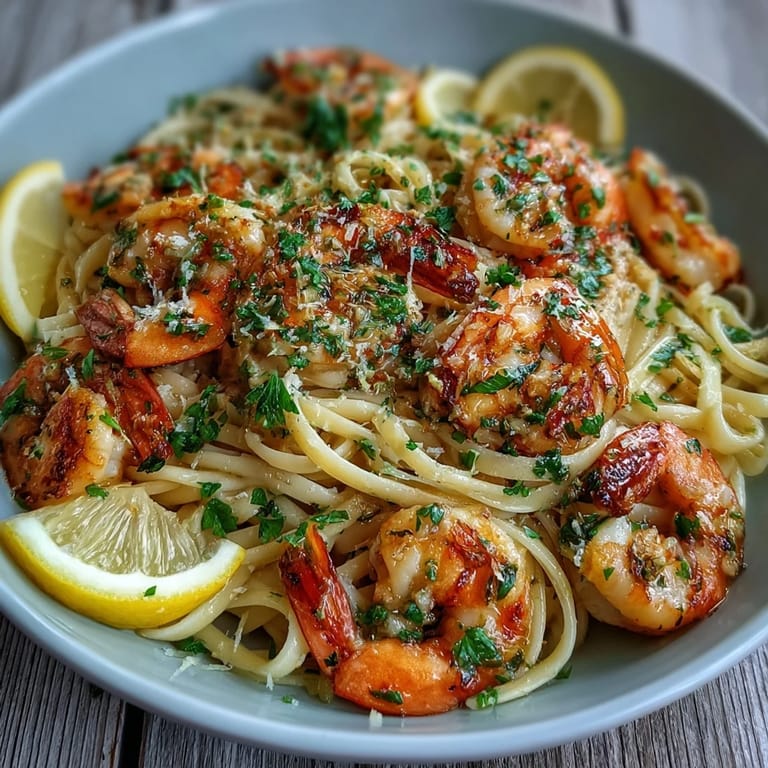
- For a little extra indulgence, finish each plate with a drizzle of good olive oil and a sprinkle of grated Parmesan.
- Pair it with a light white wine like Pinot Grigio or a sparkling water with lemon if you prefer non-alcoholic options.
 Save to Pinterest
 This is the kind of dish that makes you feel like you know what you are doing in the kitchen, even if you are still figuring it out. It is fast, forgiving, and tastes like you spent all day on it, which is exactly the kind of magic I want from a weeknight dinner.
Questions & Answers
- → Can I use frozen shrimp for this dish?
Yes, frozen shrimp works perfectly. Thaw them completely in the refrigerator overnight or under cold running water, then pat thoroughly dry before cooking to ensure proper browning.
- → What type of white wine should I use?
Choose a dry white wine you'd enjoy drinking, such as Pinot Grigio, Sauvignon Blanc, or Chardonnay. Avoid sweet wines as they'll make the sauce cloying.
- → How do I prevent the garlic from burning?
Sauté garlic over medium heat for just about 1 minute until fragrant. The butter and oil mixture helps regulate temperature, but watch carefully and don't let it brown.
- → Can I make this ahead of time?
This dish is best served immediately for optimal texture. However, you can prep ingredients in advance—peel shrimp, mince garlic, and chop parsley—then cook just before serving.
- → What can I substitute for linguine?
Spaghetti, fettuccine, or angel hair pasta work beautifully. For a lighter option, try zucchini noodles, though cooking time will be significantly shorter.
- → How do I know when the shrimp are perfectly cooked?
Shrimp cook quickly, turning opaque and pink in just 1-2 minutes per side. They should form a C-shape when done; if they curl into a tight O-shape, they're overcooked.