 Save to Pinterest
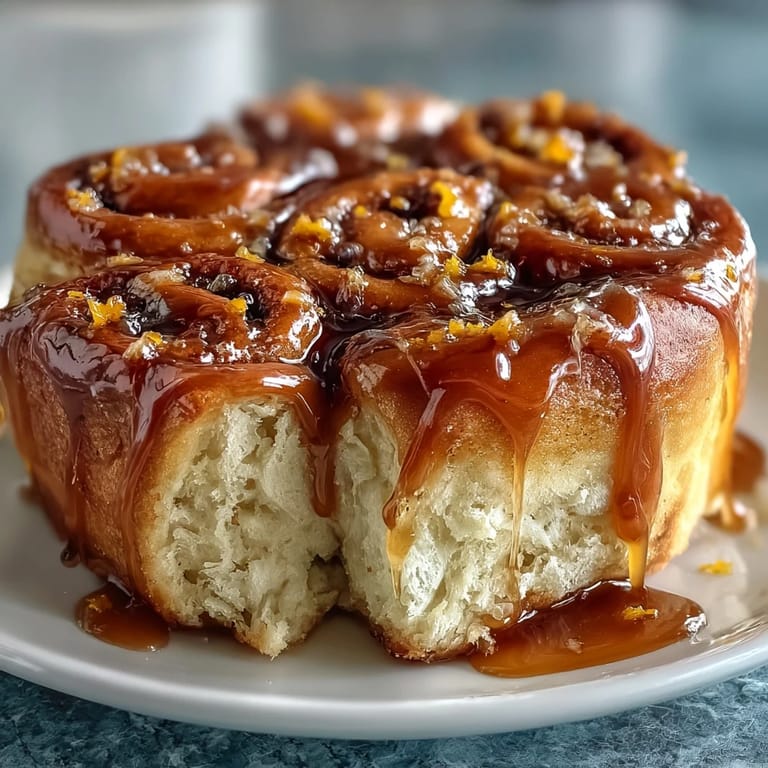
 There's something magical about waking up to the smell of orange rolls baking in the oven, especially when you did almost nothing that morning except set an alarm. My neighbor brought a batch to a weekend brunch last spring, and I watched people literally close their eyes after the first bite—not out of politeness, but genuine surprise at how bright and tender they were. She casually mentioned she'd prepped them the night before, which felt like she'd shared the secret to stress-free entertaining. Now I make them whenever I want to impress without the dawn-hour panic, and honestly, the overnight method makes them even better than rushing through a same-day bake.
I made these for my sister's book club last fall, and three people asked if I could do it again the next month—which tells you everything about how they disappear from the plate. The real win was one guest admitting she usually buys pre-made pastries because homemade feels too complicated, and after tasting these, she realized overnight rolls are actually the lazy baker's secret weapon. Seeing someone's confidence shift around baking because of one good experience is worth every minute of gentle kneading.
Ingredients
- All-purpose flour (3 1/2 cups): This is your dough foundation, and measuring by weight if you have a scale prevents the dense rolls that come from packing flour into the measuring cup by habit.
- Instant dry yeast (2 1/4 tsp): Check the expiration date because stale yeast means no rise, and a failed batch is demoralizing—store opened packets in the fridge to extend their life.
- Fresh orange zest (3 zests total, divided): Use a microplane grater and zest right before mixing because the oils fade quickly, and this is where the magic flavor lives, not in bottled juice.
- Whole milk (3/4 cup, lukewarm): Lukewarm means around 90°F—too hot kills the yeast, too cold and nothing happens, so use your pinky finger as a thermometer if needed.
- Unsalted butter (1/4 cup melted plus 1/4 cup softened): Keep these separate and at the right temperature; melted butter mixes into the dough smoothly, while softened butter spreads beautifully over the rolled-out dough.
- Eggs (2 large, room temperature): Cold eggs seize up when they hit warm dough and won't incorporate properly, so pull them from the fridge 20 minutes before baking.
- Granulated sugar (1/2 cup plus 1/4 cup): Some goes in the dough for flavor and yeast food, some in the filling for sweetness—don't skip either one.
- Powdered sugar and fresh orange juice (for glaze): This final drizzle is thin and glossy if you whisk it smooth and let it cling to the warm rolls, creating that bakery-style finish.
Tired of Takeout? 🥡
Get 10 meals you can make faster than delivery arrives. Seriously.
One email. No spam. Unsubscribe anytime.
Instructions
- Gather and mix the dry base:
- Whisk flour, sugar, yeast, and salt together in a large bowl—this distributes the yeast evenly so your dough rises uniformly. Don't skip whisking; it only takes a minute and prevents yeast clumps that ferment unevenly.
- Blend the wet team:
- In another bowl, combine lukewarm milk, melted butter, room-temperature eggs, and fresh orange zest, stirring until the zest is evenly scattered throughout. The orange oils are already releasing into the liquid at this point, infusing every sip that will become dough.
- Combine wet and dry:
- Pour the wet ingredients into the dry bowl and stir until a shaggy, sticky dough forms—it should look rough and uncertain, not smooth yet. This is exactly what you want; the real transformation happens during kneading.
- Knead into silky dough:
- Knead by hand for 7–8 minutes (or use a stand mixer with the dough hook) until the dough becomes smooth, elastic, and springs back when you poke it. You'll feel the texture shift from sticky and confused to confident and alive in your hands.
- First rise in a warm nest:
- Place the dough in a greased bowl, cover it with plastic wrap, and set it somewhere warm (an oven with the light on works beautifully). After 1–2 hours, it should have doubled—poke it gently, and if the indent stays, you're ready to shape.
- Roll out your canvas:
- Punch down the dough and roll it on a lightly floured surface into a 10x16-inch rectangle—use your hands and a rolling pin, and don't stress about perfect dimensions. A little uneven actually creates character in the final rolls.
- Spread, sprinkle, and fill:
- Spread softened butter over the entire dough rectangle, then scatter sugar and fresh orange zest across it in an even layer. Press gently so the filling adheres; you want every bite to taste intentional.
- Roll and cut with intention:
- Starting from the longer edge, roll the dough tightly toward you, then use a sharp knife or dental floss (seriously, floss cuts cleaner than you'd think) to slice the log into 12 even pieces. Uneven sizes mean uneven baking, so take a breath and cut mindfully.
- Nestle rolls in their baking dish:
- Arrange the rolls in a greased 9x13-inch baking dish in even rows—they should be close but not touching yet, as they'll expand overnight. Cover tightly with plastic wrap and slide them into the refrigerator, where they'll slowly proof while you sleep.
- Wake them gently in the morning:
- Remove the rolls from the fridge and let them sit at room temperature for 45–60 minutes until they're puffy and soft again. This second rise happens while you're brewing coffee, and your kitchen will smell like anticipation.
- Bake until golden and fragrant:
- Preheat the oven to 350°F, then slide the rolls in for 22–25 minutes until they're golden brown on top and the edges are slightly caramelized. They'll sound hollow if you tap the bottom, and the kitchen will smell like a dream.
- Make the glaze while they bake:
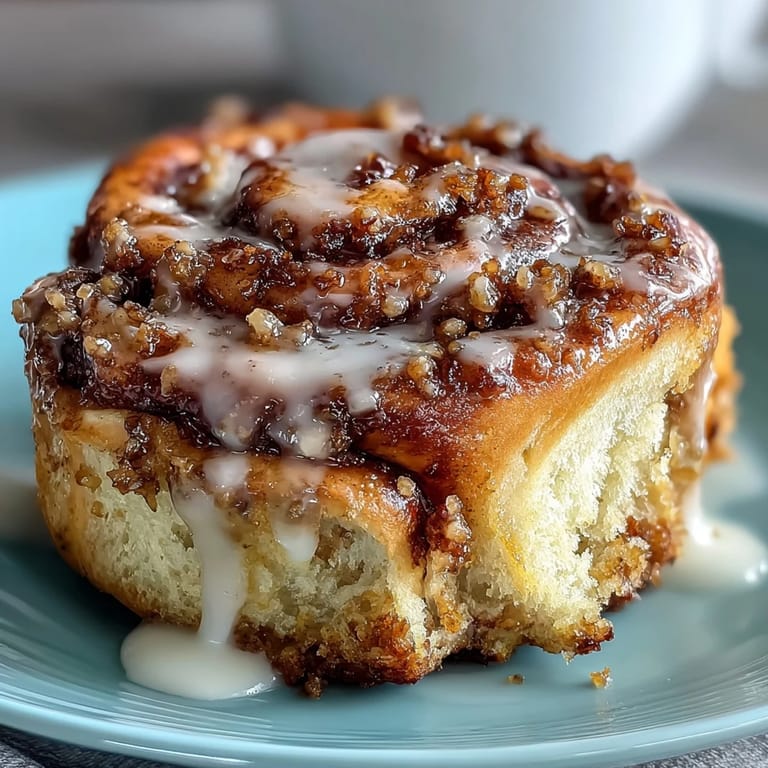
- Whisk powdered sugar, fresh orange juice, and zest together until completely smooth and drizzle-able—it should be thin enough to flow but thick enough to coat. If it's too thick, add juice a teaspoon at a time; too thin, dust in more powdered sugar.
- Finish with citrus shine:
- While the rolls are still warm, drizzle the glaze generously over the top and watch it pool into the crevices. Serve immediately, or at least while they're still warm enough to melt the glaze into sweet rivers.
 Save to Pinterest
 One morning last month, my daughter asked why these rolls smelled different from the cinnamon ones we usually make, and I realized she was picking up on the citrus notes layered throughout—not just on top, but woven into the dough itself. That moment reminded me that food memory is built from small sensory details, and these rolls create those details effortlessly.
The Overnight Advantage
Refrigerating yeast dough overnight isn't just convenient; it's a flavor upgrade that bakers have known for years but home cooks sometimes overlook. The cold slows fermentation dramatically, allowing the yeast to develop complex notes and the gluten to relax thoroughly, resulting in rolls that are tender enough to tear apart with your pinky. Plus, you sidestep the stress of timing everything to finish at breakfast—the dough works on your schedule, not the other way around.
Orange Zest as Your Secret Weapon
Fresh orange zest is the difference between rolls that taste like a memory and rolls that taste like a bakery case. The oils in the zest are bright, aromatic, and fleeting, which is exactly why so many recipes fail with bottled juice or dried zest—you're chasing a flavor that's already half-faded. When you zest fresh citrus right before using it, you're capturing that exact moment when the oils are most volatile and fragrant, and that's what makes people pause mid-bite and ask what you did differently.
Making This Recipe Your Own
This recipe is a framework, not a mandate, and some of my favorite batches came from small experiments that shifted the whole character of the rolls. One winter I added a pinch of cardamom to the filling, and suddenly they tasted like they belonged in a spiced-chai daydream instead of a standard breakfast. Another time, I substituted half the milk with fresh orange juice, and the rolls became so intensely citrusy that people debated whether they were breakfast or dessert.
- Cardamom in the filling adds warmth and complexity without announcing itself loudly—use just a pinch so it whispers instead of shouts.
- Swapping milk for freshly squeezed orange juice intensifies the citrus profile, making these rolls lean more toward dessert territory, perfect for brunch with sparkling wine.
- A touch of vanilla extract in the glaze adds depth and makes the powdered sugar taste less raw and one-dimensional.
 Save to Pinterest
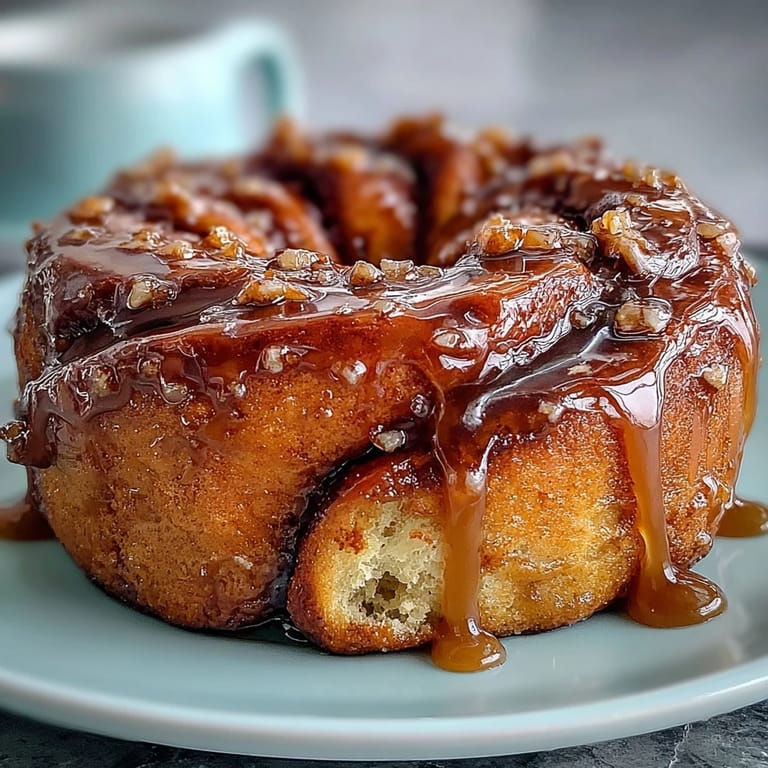
 These rolls have become my answer to the question of how to impress without stress, because the work happens when you have time, and the magic happens while you sleep. Make them once, and they'll become a permanent fixture in your entertaining rotation.
Questions & Answers
- → How does the overnight rise affect the dough?
Allowing the dough to rise overnight in the refrigerator slows fermentation, resulting in more complex flavors and a tender, airy texture in the final rolls.
- → Can the sweetness of the filling be adjusted?
Yes, you can vary the amount of sugar in the filling to suit personal preference, balancing the citrus zest for a perfect sweet-tart harmony.
- → What role does orange zest play in the dough?
Fresh orange zest infuses the dough with aromatic citrus oils, enhancing flavor and adding a bright note that complements the sweet glaze.
- → Is it necessary to let rolls come to room temperature before baking?
Yes, allowing the chilled rolls to sit at room temperature for about 45–60 minutes helps them puff up, ensuring an even, soft crumb once baked.
- → Can any variations be made to the glaze?
The glaze can be customized by adjusting the amount of fresh orange juice or adding a touch of vanilla extract for extra depth without overpowering the citrus flavor.