 Save to Pinterest
 There's something almost meditative about watching hojicha steep into cream, the roasted tea leaves releasing their earthy warmth until the whole pot smells like a quiet afternoon in Kyoto. I discovered this dessert quite by accident when a friend left behind a tin of hojicha at my place, and instead of making the usual tea, I wondered what would happen if I coaxed those toasted flavors into something creamy and elegant. What started as kitchen curiosity became the dessert I now make whenever I want to impress without spending hours in front of the stove. The layering is almost meditative too—each component doing its own thing until they meet on the spoon and suddenly make perfect sense together.
I made this for my sister's book club gathering on a rainy spring evening, and watching everyone pause mid-conversation to actually taste what they were eating—that moment of genuine surprise—reminded me why layered desserts work. Someone asked if I'd bought it from a fancy patisserie, which felt like the highest compliment, and then three people asked for the recipe before dessert was even finished. That's when I knew this one was a keeper.
Ingredients
- Heavy cream (400 ml): Use the full-fat stuff without any whipped nonsense, or your panna cotta will split when you heat it and you'll understand my frustration from experience.
- Whole milk (100 ml): This mellows the cream just enough so the hojicha flavors can actually be tasted instead of hidden under pure richness.
- Hojicha tea leaves (2 tbsp): The roasted, nutty backbone of this whole dessert—don't skip quality here, as weak hojicha makes weak panna cotta.
- Granulated sugar (60 g): Enough to balance the tea's slight bitterness without making this taste like dessert masquerading as something fancy.
- Powdered gelatin (1½ tsp): The gentle setting agent that keeps everything creamy rather than rubbery, unlike agar-agar which can surprise you with its firmness.
- Cold water (2 tbsp): For blooming the gelatin, and yes, the water temperature matters because cold water helps gelatin swell evenly.
- Vanilla extract (1 tsp): A whisper of vanilla deepens the hojicha without announcing itself, making people wonder what the secret ingredient is.
- Mixed fresh berries (150 g): Any combination works, though raspberries break down fastest and strawberries hold their shape longest if that matters to you.
- Sugar for berries (1 tbsp, optional): A small amount draws out the berries' own juice, creating a little sauce that soaks into the panna cotta if you let it sit a few minutes.
- Granola (80 g): Store-bought saves time, but homemade gives you control over the sweetness level and keeps the granola crispest longest.
Tired of Takeout? 🥡
Get 10 meals you can make faster than delivery arrives. Seriously.
One email. No spam. Unsubscribe anytime.
Instructions
- Bloom the gelatin:
- Sprinkle it over cold water in a small bowl and let it sit for exactly 5 minutes—you'll see it transform from granules into a spongy mass, which means it's ready to do its job.
- Heat the cream and milk:
- Combine them in a saucepan and warm over medium heat until you see tiny bubbles forming around the edges but no rolling boil, or your cream will scald and taste slightly off.
- Infuse with hojicha:
- Pour the hot cream mixture over the tea leaves, cover the saucepan, and let it steep for a full 10 minutes so the roasted flavors actually transfer into the cream. Then strain through a fine mesh sieve, pressing gently on the leaves to coax out every bit of that nutty taste.
- Dissolve the sugar:
- Return the infused cream to the saucepan, add sugar, and stir gently over medium heat until the crystals disappear completely—don't let it boil or you're back to scorched cream territory.
- Add the gelatin:
- Remove from heat and stir in the bloomed gelatin until you see no grainy bits, then add vanilla extract for that final layer of depth.
- Set the panna cotta:
- Pour the mixture into serving glasses until each is just under halfway full, then refrigerate for at least 4 hours until the surface feels set when you gently press it. This is the waiting part where you make peace with patience.
- Prepare the berries:
- While everything chills, toss your berries with a bit of sugar if you like and let them macerate for 10 minutes so they release their own liquid and taste even more like themselves.
- Layer it all together:
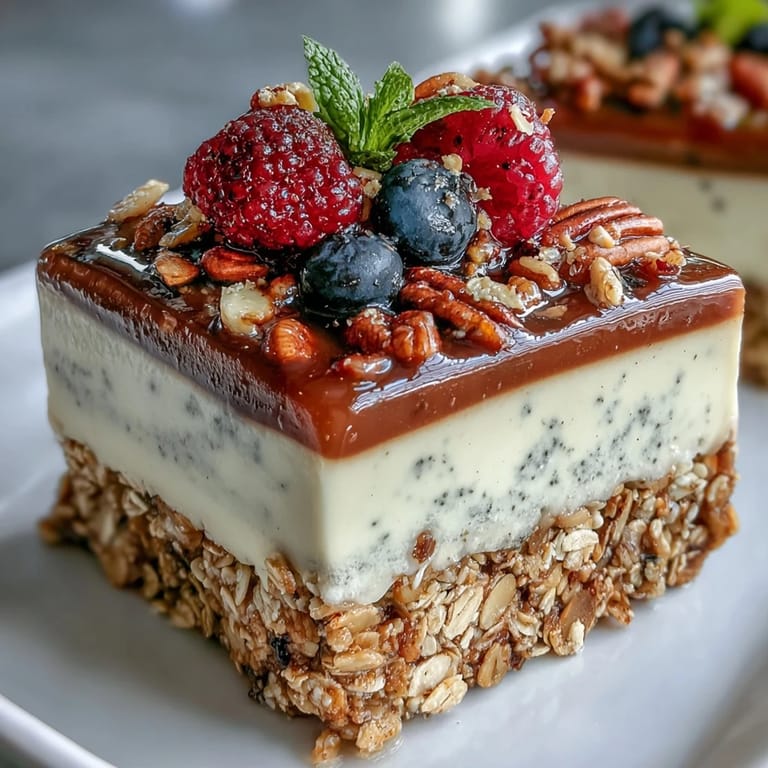
- Once the panna cotta is fully set, spoon a layer of granola over each glass, then top with a generous handful of berries and all their juice. If you're feeling fancy, repeat the layers for height.
- Serve immediately:
- The moment you layer everything is when granola stays crispest and all three textures matter most, so don't do this too far ahead of eating.
 Save to Pinterest
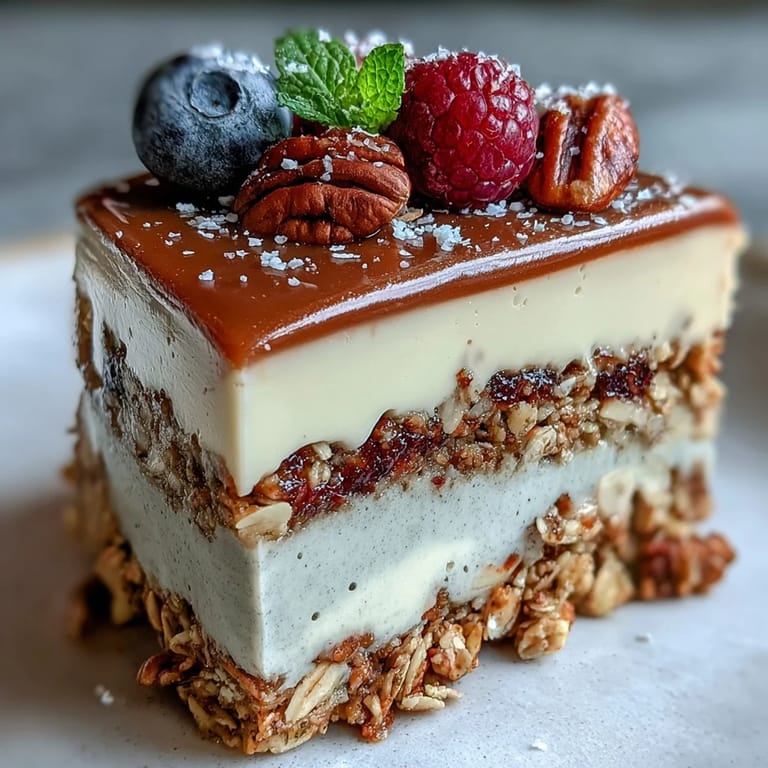
 There's a specific moment when you layer the first parfait and step back to look at it—the deep cream color with those jewel-toned berries peeking through—when you realize you've made something that tastes good and looks like you meant it. That's the moment this dessert stops being a recipe and becomes proof that sometimes the simplest things, when done with attention, become exactly what people needed.
Why Hojicha Works in Dessert
Hojicha is roasted green tea, which means it trades bright grassy notes for something warmer and almost nutty, like toasted rice or chestnut. In a creamy panna cotta, this roasted quality doesn't compete for attention—it harmonizes with vanilla and sugar, creating something that tastes sophisticated without demanding effort to understand it. The tea's gentle bitterness also balances the sweetness of the berries and granola, which is why three components that could easily be cloying instead feel perfectly proportioned.
Making This Ahead
The best part of this dessert is that you can make the panna cotta up to two days before you plan to eat it, storing it covered in the fridge so it doesn't absorb other flavors. The granola stays crispest when added just before serving, and the berries can be prepped an hour or two ahead and left in their own juice. This means for a dinner party you literally just need 5 minutes at the end to assemble, which is the kind of smart timing that lets you actually enjoy your guests instead of sweating in the kitchen.
Variations and Swaps
If hojicha isn't available where you live, matcha creates a greener, more vegetal version that's equally beautiful and slightly more grassy in flavor. For a vegan approach, coconut cream replaces heavy cream and agar-agar replaces gelatin, though agar-agar sets faster and more firmly, so be prepared for a slightly different texture. You can also swap berries for stone fruit, swap granola for crushed pistachios, or even drizzle a tiny bit of honey just before serving.
- If using agar-agar instead of gelatin, dissolve it directly into the warm cream mixture and chill for just 2 hours instead of 4, as agar-agar sets faster and more decisively.
- Store-bought granola often contains nuts and soy, so check the label if you're cooking for people with allergies before assuming store-bought is the faster option.
- Make this dessert the day before a dinner party so you're genuinely relaxed when people arrive, not timing gelatin bloom times.
 Save to Pinterest
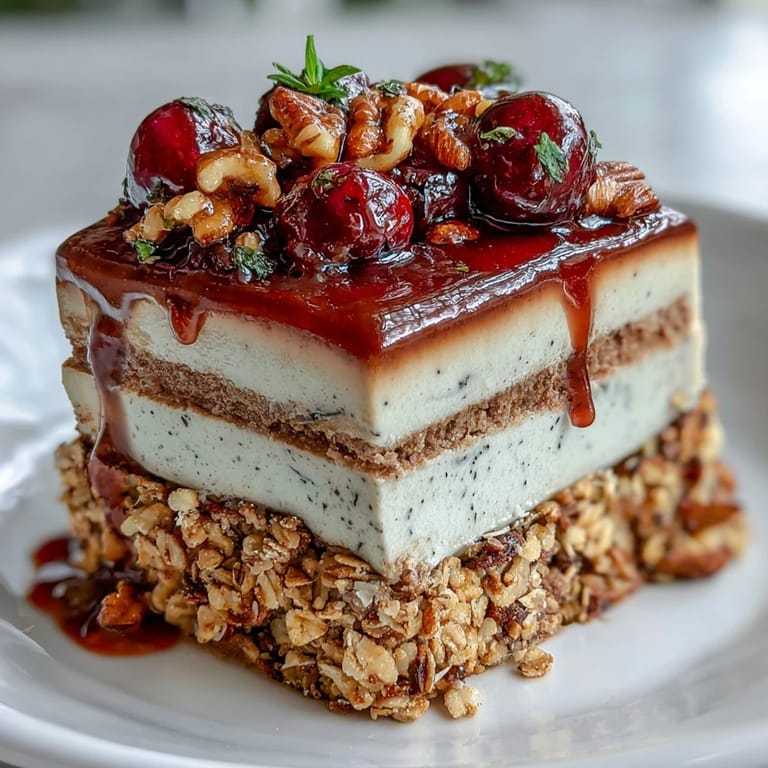
 This dessert exists in that perfect space where it feels refined enough to serve to people who intimidate you, but simple enough that you can actually relax while making it. Once you master the panna cotta technique, you'll find yourself infusing it with all kinds of flavors, but hojicha remains the one I return to because it asks so little and gives so much.
Questions & Answers
- → What does hojicha taste like?
Hojicha delivers roasted, nutty notes with subtle caramel undertones. The roasting process reduces bitterness and caffeine, creating a mellow, earthy flavor that pairs beautifully with creamy dairy products.
- → Can I make this dessert ahead of time?
The panna cotta layer can be prepared up to two days in advance and refrigerated. However, add the granola and berries just before serving to maintain texture contrast—the granola stays crisp and berries remain fresh.
- → How do I achieve the perfect panna cotta consistency?
Allow gelatin to bloom fully in cold water before incorporating. Avoid boiling the cream mixture after adding gelatin, as excessive heat can break down its setting properties. The custard should wobble slightly when set but hold its shape.
- → What other berries work well in this parfait?
Seasonal berries shine here—strawberries, raspberries, blueberries, or blackberries all complement the roasted tea notes. Consider adding sliced stone fruits like peaches or plums during summer months for variety.
- → Can I substitute agar-agar for gelatin?
Yes, use 1 teaspoon of agar-agar powder instead of gelatin. Dissolve it directly into the hot cream mixture and boil for one minute to activate. The texture will be slightly firmer but still delicious.
- → What's the best way to steep hojicha for maximum flavor?
Heat the cream and milk until just below boiling, then add the tea leaves. Cover and steep for exactly 10 minutes, stirring occasionally. Press firmly through a fine-mesh sieve to extract all the infused liquid before discarding the leaves.