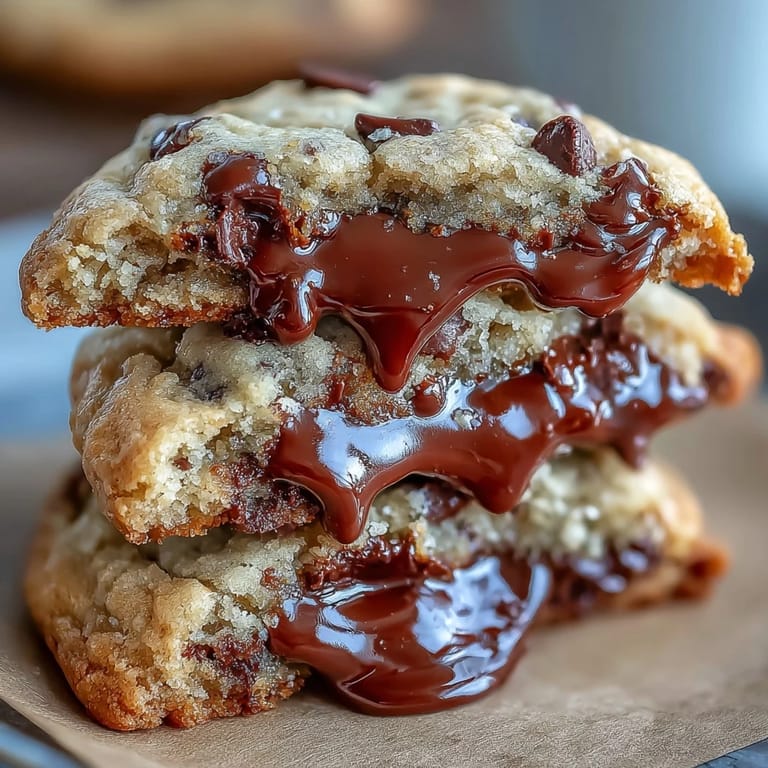
 Save to Pinterest
 My sister called me in a panic the week before St. Patrick's Day, insisting I bring something green to her party that wasn't just a salad. I was halfway through my morning coffee when she mentioned Irish cream, and suddenly I was mixing butter and brown sugar like my life depended on it. These cookies felt like a natural answer—familiar enough to not stress about, but with that boozy, creamy twist that made everyone stop mid-conversation to ask what made them taste so impossibly good.
What I didn't expect was how the kitchen would smell while they baked—not just chocolate, but something warm and almost boozy wafting through the house. My neighbor actually knocked on the door mid-bake, genuinely confused about whether I was hosting an event or just being delightfully reckless on a Tuesday. It became the moment I realized homemade cookies could smell fancier than they had any right to.
Ingredients
- All-purpose flour (2 1/4 cups): The foundation that keeps these from spreading into a puddle, but don't skip the sifting step if your flour's been sitting in a humid kitchen.
- Baking soda (1/2 teaspoon): This is what gives them that slight spread and chewiness, so measuring it right actually matters here.
- Salt (1/2 teaspoon): It sounds small but it's the secret that makes people say these taste richer than regular chocolate chip cookies.
- Unsalted butter (3/4 cup, softened): Room temperature is non-negotiable—take it out an hour before baking or you'll be fighting it the whole time.
- Brown sugar (3/4 cup packed): This is where the chewiness comes from, so pack it into your measuring cup without feeling guilty.
- Granulated sugar (1/4 cup): The combination of both sugars gives you that perfect texture that's neither cake-like nor impossibly flat.
- Eggs (2 large): Bring them to room temperature too—cold eggs are stubborn and won't mix properly with the Irish cream.
- Irish cream liqueur (1/4 cup): Baileys is the obvious choice, but any Irish cream will work; the key is using the real stuff, not an extract.
- Vanilla extract (1 teaspoon pure): Don't cheap out here because it's the background note that makes everything taste more complex.
- Semisweet chocolate chips (1 1/2 cups): These are the heart of the cookie, so buy the good ones and maybe taste a handful while you're at it.
- Pecans or walnuts (1/2 cup toasted, optional): Toasting them first brings out this incredible depth that regular nuts just don't have.
Tired of Takeout? 🥡
Get 10 meals you can make faster than delivery arrives. Seriously.
One email. No spam. Unsubscribe anytime.
Instructions
- Get your workspace ready:
- Preheat the oven to 350°F and line two baking sheets with parchment paper—this is the moment to grab a second cup of coffee if you need it. These cookies are forgiving, but having everything in place means you won't be scrambling halfway through.
- Mix the dry team together:
- Whisk the flour, baking soda, and salt in a medium bowl until they're evenly distributed. This step prevents lumps and ensures the baking soda doesn't create any weird pockets of bitterness in your cookies.
- Cream the butter and sugars:
- Beat them together for about two minutes until the mixture looks pale and fluffy, almost like wet sand. You'll know it's right when you lift the mixer and the mixture falls in ribbons instead of clumps.
- Add the wet ingredients slowly:
- Crack in the eggs, pour in the Irish cream, and add the vanilla, then beat until everything is smooth and combined. The mixture might look a little separated at first, but keep mixing and it'll come together beautifully.
- Bring the dough together:
- Gradually add the dry ingredients to the wet mixture, stirring just until no streaks of flour are visible. Overmixing here creates tough cookies, so embrace the idea that mixing less is actually more.
- Fold in the good stuff:
- Add the chocolate chips and nuts, stirring gently until they're evenly distributed throughout the dough. This is where the dough starts to feel like an actual cookie dough.
- Shape and space them out:
- Drop rounded tablespoons of dough onto your prepared baking sheets, leaving about two inches between each cookie. They'll spread a little, so don't cluster them together or they'll bake into one giant cookie.
- Bake until golden:
- Bake for 11 to 13 minutes—the edges should be golden but the centers should still look just slightly underdone. They'll continue cooking on the pan after you pull them out, so resist the urge to bake them until they look completely set.
- Cool with patience:
- Let them sit on the baking sheets for three minutes, then transfer them to a wire rack to cool completely. Those three minutes on the pan are crucial—it's when they firm up just enough to move without falling apart.
 Save to Pinterest
 The moment that really stuck with me was when my sister's ten-year-old came back for thirds and asked if these were my family's secret recipe. I almost told him they were, just to see his face light up even more, but instead I just smiled and pushed the plate closer to him. That's when I realized these cookies aren't just about St. Patrick's Day anymore—they're about creating the kind of simple magic that makes people feel remembered.
Why the Irish Cream Makes All the Difference
The first time I made these, I was curious whether the liqueur would actually make a noticeable difference or if it was just a gimmick. But the moment the Irish cream hit the butter mixture, I smelled it—that creamy, coffee-forward aroma that immediately elevated the entire batch. It's not that the cookies taste boozy; it's that they taste more sophisticated, more complex, like someone spent hours perfecting them when really you just spent twenty minutes mixing.
The Art of the Underbaked Center
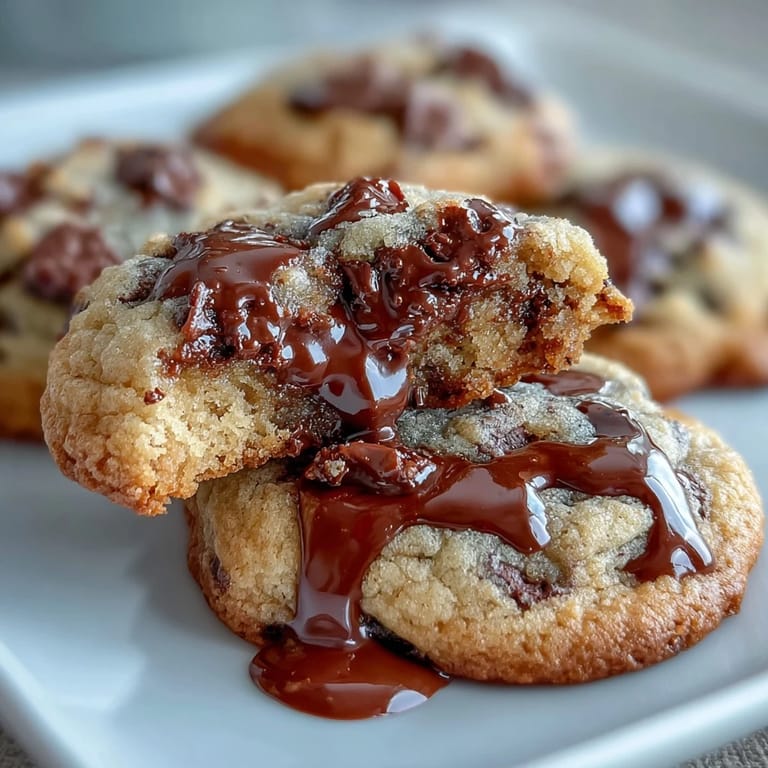
Every baker has a moment when they pull something out of the oven and panic that it's not done, and this is that recipe. The centers will look soft and almost doughy when you take them out, which is exactly right—this is what separates a chewy cookie from a cake-like one. The residual heat continues cooking them on the baking sheet for those crucial three minutes, so trust the process even when your instinct says to pop them back in.
Making Them Your Own
The best part about this recipe is how forgiving it is when you want to play around. My sister added dried cherries one year and suddenly they tasted festive and a little bit tart, while a friend of mine swapped half the chocolate for white chocolate chips and created something entirely new. The Irish cream base is strong enough to handle variations, so feel free to experiment with what sounds good to you.
- Sprinkle the tops with green sanding sugar before baking if you want them to look like you put actual effort into the presentation.
- Swap in white chocolate chips, dried cherries, or even crushed candy canes depending on your mood and the season.
- Make the dough ahead and freeze it in portions so you can bake fresh cookies whenever the craving hits.
 Save to Pinterest
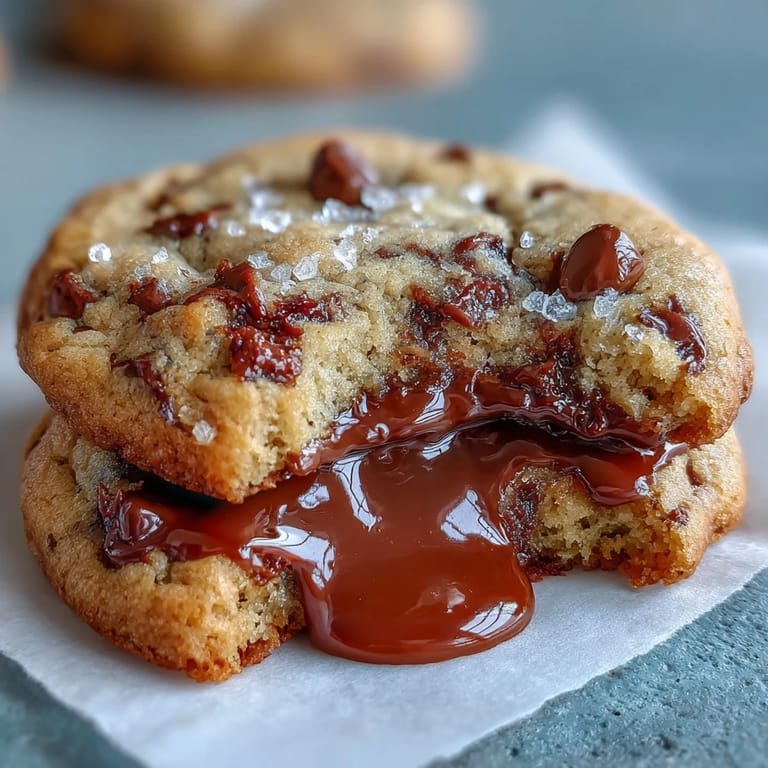
 These cookies have a way of turning an ordinary week into something worth celebrating, and honestly, that's the real magic here. Bake them once and you'll understand why everyone asks for the recipe.
Questions & Answers
- → Can I substitute the nuts in this treat?
Yes, you can omit nuts entirely or replace them with toasted walnuts or pecans to maintain the intended crunch and flavor balance.
- → What is the best way to store these after baking?
Store cooled cookies in an airtight container at room temperature to preserve softness, or freeze for up to two months without sacrificing texture.
- → How does Irish cream influence the final texture and flavor?
Irish cream adds a subtle, creamy richness and moistness, enhancing overall flavor complexity and soft texture in each bite.
- → Can different types of chocolate chips be used?
Absolutely. Semisweet chips are classic, but white chocolate or bittersweet chips provide interesting flavor variations.
- → Is there a recommended baking temperature or time?
Baking at 350°F (175°C) for about 12 minutes yields cookies with golden edges and soft centers; adjust slightly for desired texture.