 Save to Pinterest
 There's something about the sharp brightness of limoncello that stops you mid-conversation—my neighbor handed me a bottle one summer evening, and I spent the next week wondering how to use it beyond the obligatory digestif. A pound cake seemed obvious, but I wanted something that felt intentional, where the citrus wasn't just a whisper but a full presence. That first slice, still warm from the oven, changed my mind about what desserts could be.
I made this for a potluck last June, and someone actually set their fork down halfway through their piece to ask if the cake was store-bought—not as an insult, but because they couldn't believe how tender it was. Watching people discover that the crumb was both delicate and deeply flavorful, that the glaze clung to the cake rather than sliding off, reminded me why I love baking for groups. It became the dessert I'm now expected to bring.
Ingredients
- All-purpose flour: Use a light touch when measuring—scoop and level rather than packing, because this cake needs structure without becoming dense or bread-like.
- Baking powder: Don't skip this or substitute with baking soda; it ensures the cake rises evenly and stays tender throughout.
- Unsalted butter: Softened butter creams faster and incorporates air more efficiently than cold butter, which directly affects how light your crumb becomes.
- Granulated sugar: The creaming process with butter is where the magic happens—this is what gives the cake its signature tender texture.
- Eggs at room temperature: Cold eggs resist mixing and can create small lumps; room-temperature eggs incorporate smoothly and help bind everything together.
- Lemon zest: Fresh zest adds brightness that bottled juice simply cannot match—use a microplane and avoid the bitter white pith underneath.
- Fresh lemon juice: This cuts the sweetness and adds subtle complexity; bottled juice tastes flat by comparison.
- Limoncello liqueur: This is the soul of the recipe; it adds citrus depth and keeps the crumb moist longer than milk alone ever could.
- Vanilla extract: A small amount rounds out the flavor without making the cake taste vanilla-forward.
- Whole milk at room temperature: The alternating method with flour keeps gluten from overdeveloping and ensures even hydration.
- Powdered sugar for the glaze: Sift before mixing to eliminate lumps that can make the glaze grainy.
Tired of Takeout? 🥡
Get 10 meals you can make faster than delivery arrives. Seriously.
One email. No spam. Unsubscribe anytime.
Instructions
- Prepare your pan and preheat:
- Grease your Bundt or loaf pan thoroughly, then dust with flour so the cake releases cleanly—these details matter more than you might think. Get your oven to 350°F (175°C) while you prep everything else.
- Whisk the dry ingredients:
- Combine flour, baking powder, and salt in a bowl and set it aside so it's ready when you need it. This step prevents overmixing later, which is how cakes become tough.
- Cream butter and sugar together:
- Beat them for 3 to 4 minutes until the mixture is pale, fluffy, and noticeably lighter in color—this incorporates air that will make the cake tender. Don't rush this step; it's the foundation of everything.
- Add eggs one at a time:
- After each egg goes in, beat for about 30 seconds until you don't see streaks of yellow anymore. This gradual approach prevents the batter from breaking and ensures even distribution.
- Mix in the bright flavors:
- Add the lemon zest, lemon juice, limoncello, and vanilla, beating until everything is combined. You'll notice the batter becoming slightly thinner and smelling intensely citrusy—this is exactly what you want.
- Alternate wet and dry gently:
- Start with a third of the flour mixture, beat just until combined, then add half the milk, then another third of flour, then the remaining milk, then the last of the flour. The key word is gently—overmixing develops gluten and creates a dense, rubbery crumb.
- Pour and bake:
- Transfer the batter to your prepared pan and smooth the top with a spatula. Bake for 50 to 55 minutes; the cake is done when a toothpick inserted into the thickest part comes out clean or with just a few moist crumbs.
- Cool with patience:
- Let the cake rest in the pan for 15 minutes—this prevents it from breaking apart—then turn it out onto a wire rack to cool completely before glazing. Glazing a warm cake will cause it to slide right off.
- Make the glaze:
- Whisk powdered sugar, lemon juice, limoncello if using, and zest until you have a smooth, pourable consistency. It should drip slowly from a spoon, not run or clump.
- Finish the cake:
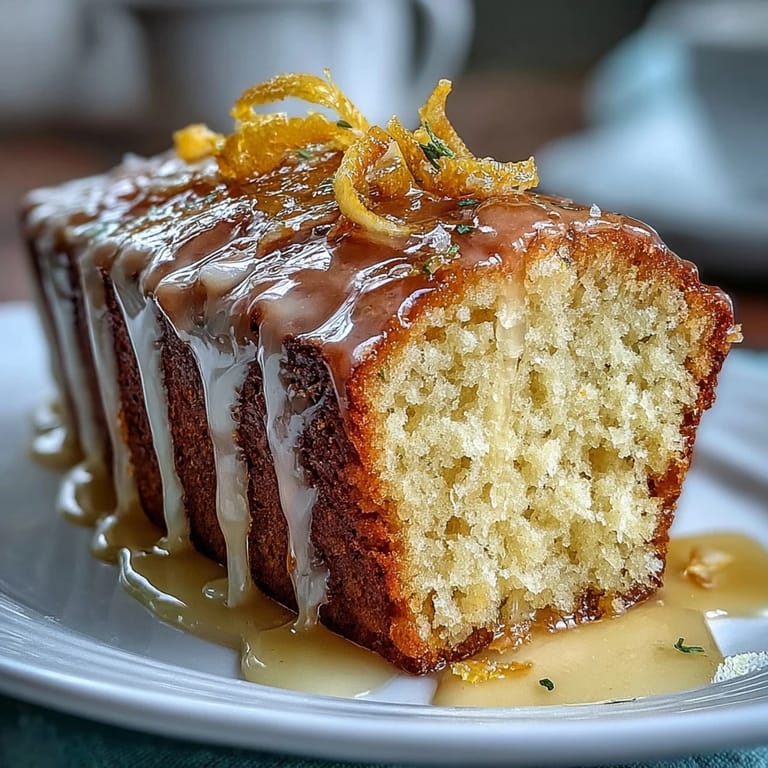
- Drizzle the glaze generously over the cooled cake and let it set for at least 30 minutes before slicing. The glaze will firm up slightly and cling beautifully to each slice.
 Save to Pinterest
 My daughter once asked why this cake tasted like spring—she couldn't articulate it any other way, which somehow said everything. That's when I realized the limoncello wasn't just an ingredient; it was a way of translating a season into something you could hold in your hand and taste.
Why This Cake Works
The creaming method—beating butter and sugar together until fluffy—isn't just tradition; it's science. Those tiny air bubbles expand as the cake bakes, creating a crumb that's tender rather than crumbly. The alternating method of adding flour and milk prevents gluten from developing too much, which would make the cake tough. And the limoncello? It's a triple threat: it adds flavor, it keeps the cake moist because alcohol evaporates more slowly than water, and it brings a floral brightness that regular lemon juice alone cannot achieve. This combination of techniques and ingredients is why the cake has that perfect balance of structure and delicacy.
Making It Your Own
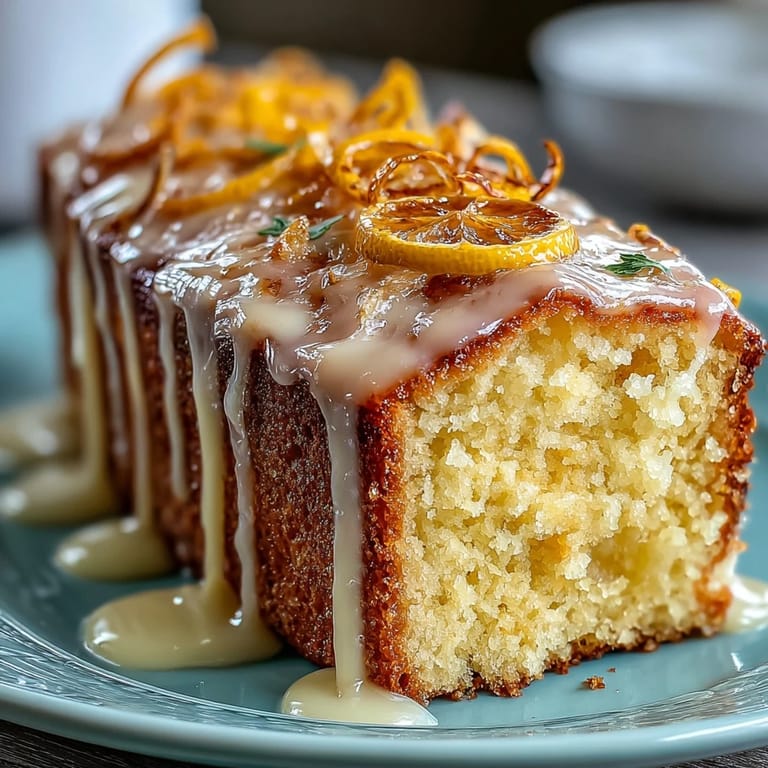
This recipe is flexible enough to adapt without losing its soul. Some people make it alcohol-free by replacing the limoncello with fresh lemon juice or even lemon extract—it won't taste exactly the same, but it will still be delicious. I've seen people garnish with candied lemon peel, thin lemon slices, or even a sprinkle of fleur de sel to heighten the citrus notes. Others serve it with whipped cream or fresh berries alongside, which cuts the richness beautifully. The glaze is your blank canvas for subtlety or boldness, depending on how much lemon juice you add and whether you include the limoncello.
Storage and Serving Suggestions
This cake keeps beautifully for three to four days wrapped tightly at room temperature, and it actually tastes better on day two when the flavors have time to settle and meld. Slicing is easiest with a long serrated knife dipped in warm water between cuts. Serve it plain with afternoon tea, or pair it with vanilla ice cream for something more indulgent, or alongside fresh berries if you want brightness and a lighter feel.
- The cake is best served at room temperature, when the crumb is tender and the citrus flavors shine.
- If you make it ahead, store it in an airtight container to keep it from drying out.
- Leftover slices can be revived by warming them gently in a low oven for a few minutes, which brings back some of that just-baked texture.
 Save to Pinterest
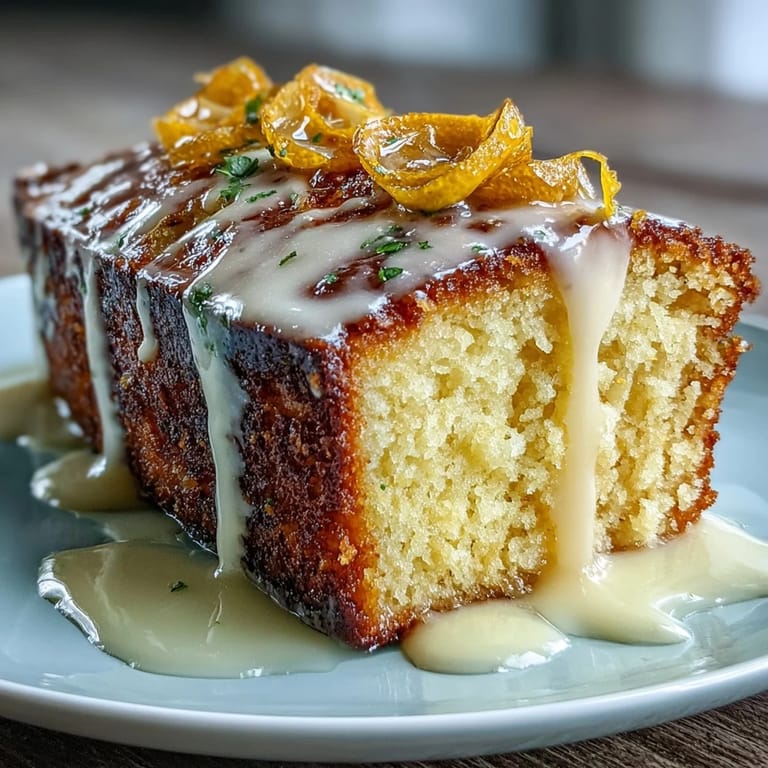
 This limoncello pound cake has become the dessert I reach for when I want to impress someone without fussing—it tastes elegant and intentional, but the method is straightforward enough that you can make it on a weeknight and still feel proud. There's real joy in pulling a cake from the oven that smells like sunshine and citrus, and that's exactly what this one delivers.
Questions & Answers
- → What gives the cake its moist texture?
The combination of creamed butter, sugar, eggs, and whole milk contributes to a tender, moist crumb in the cake.
- → Can I avoid using alcohol in the cake?
You can substitute the Limoncello with additional fresh lemon juice to maintain the citrus flavor without alcohol.
- → How is the lemon glaze prepared?
The glaze is made by whisking powdered sugar, fresh lemon juice, lemon zest, and optionally Limoncello until smooth and pourable.
- → What pan size is best for baking this cake?
A 10-cup Bundt or standard loaf pan ensures even baking and the ideal shape for this pound cake.
- → How do I test if the cake is fully baked?
Insert a toothpick into the center — it should come out clean when the cake is done baking.