 Save to Pinterest
 Last January, I was standing in my kitchen on one of those gray afternoons when the cold seems to seep through the walls, and I realized I'd been eating the same sad desk lunch for three days straight. My neighbor knocked with a container of roasted root vegetables she'd made too much of, and something clicked—what if I built an entire bowl around warmth and color instead of convenience? That afternoon taught me that the best meals often come from working with what's already there, layered with intention.
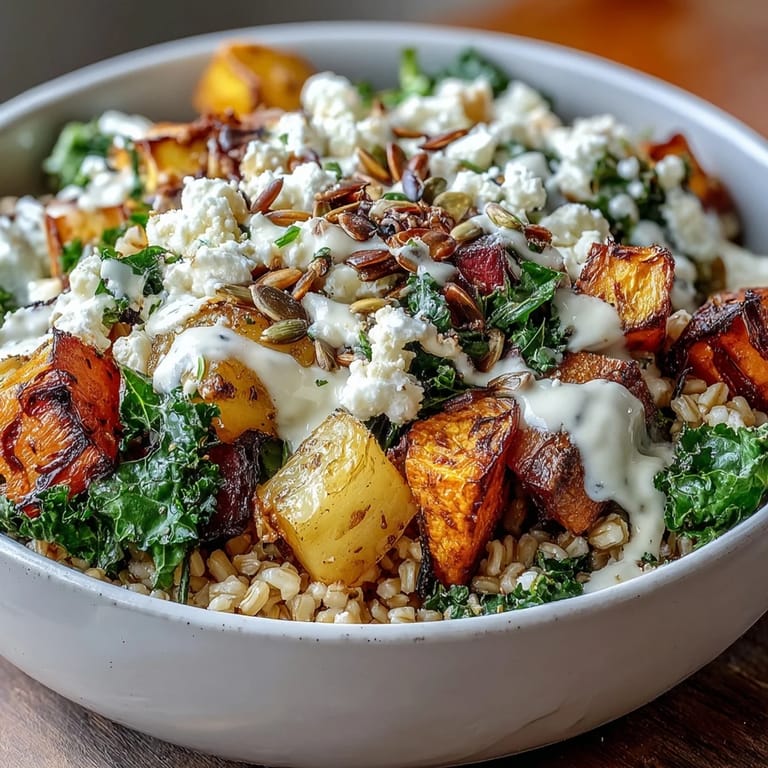
I brought four of these bowls to my friend's place during a snowstorm, and we ate them straight from the containers while sitting on her kitchen counter, talking about everything that had shifted that year. She looked at the layers—the earthiness of the grains, the sweetness of the roasted vegetables, the way the greens held their own—and said it tasted like someone actually cared. That stuck with me.
Ingredients
- Farro or quinoa: Choose farro for a nutty, chewy texture that holds up beautifully, or quinoa if you need gluten-free; both cook in roughly the same time and absorb flavor like little sponges.
- Carrots, parsnips, and sweet potato: These three create a sweet-savory dynamic when roasted—the parsnips add an unexpected earthiness that makes people ask what that ingredient is.
- Kale or Swiss chard: Kale gets sweeter as it wilts in the pan, while chard offers a milder flavor; either one becomes silky rather than tough when given just a few minutes of heat.
- Tahini: The backbone of the dressing, and it needs warm water to become creamy rather than seized and thick.
- Lemon juice, maple syrup, and Dijon mustard: This trio balances the richness of tahini with brightness and subtle complexity that ties everything together.
- Pumpkin seeds and feta: These toppings aren't just garnish—they add crunch and a salty anchor that makes each bite more interesting.
Tired of Takeout? 🥡
Get 10 meals you can make faster than delivery arrives. Seriously.
One email. No spam. Unsubscribe anytime.
Instructions
- Prepare your oven and vegetables:
- Set the oven to 400°F and get your root vegetables prepped and tossed with olive oil and seasonings right away—you want them in the oven as soon as possible so they're done when everything else is ready. The thyme is crucial here; it perfumes the whole roasting process.
- Roast until golden:
- Spread them on a sheet and let them sit undisturbed for about twelve minutes, then give them a stir halfway through so they caramelize evenly. You're looking for edges that are slightly browned and insides that yield to a fork.
- Cook your grains:
- While vegetables roast, rinse your grains under cold water, then combine with broth in a saucepan over medium-high heat. Once it boils, reduce heat to low, cover, and let it simmer without peeking—farro takes about thirty minutes, quinoa closer to twenty.
- Wilt the greens:
- Heat oil in a skillet, add minced garlic for just thirty seconds until fragrant, then pile in your chopped greens with a pinch of salt. Stir constantly for three to four minutes; they'll transform from leafy and stiff to tender and glossy.
- Make the dressing:
- Whisk tahini with lemon juice and maple syrup first, then add the mustard and warm water gradually while whisking—this prevents the tahini from seizing up into clumps. Taste as you go and adjust the water or lemon to get the consistency and flavor just right.
- Assemble with intention:
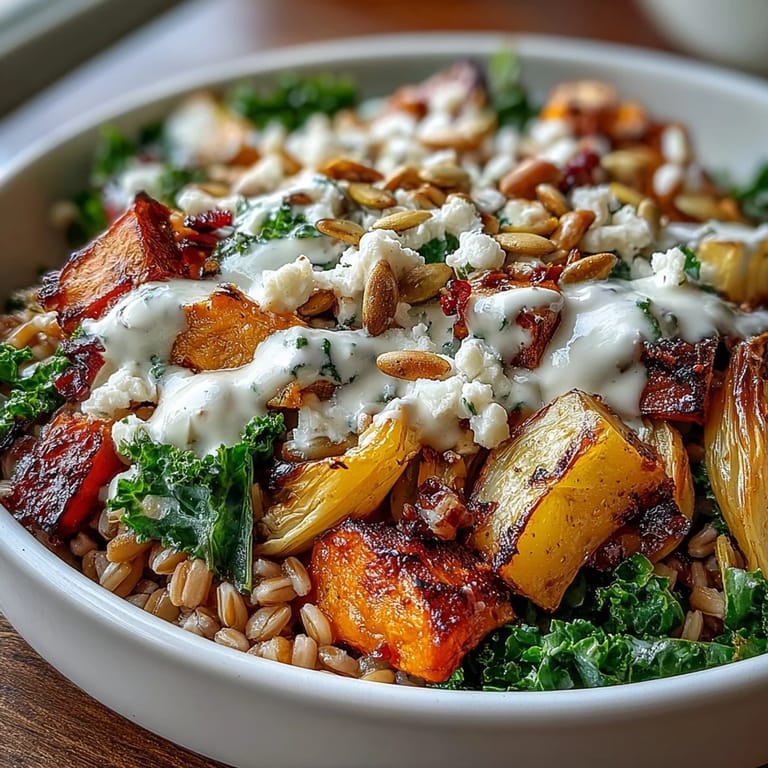
- Start with warm grains in each bowl as your base, then arrange the roasted vegetables and greens on top like you're building something beautiful. Drizzle the dressing across everything so it pools slightly in the center.
- Finish and serve:
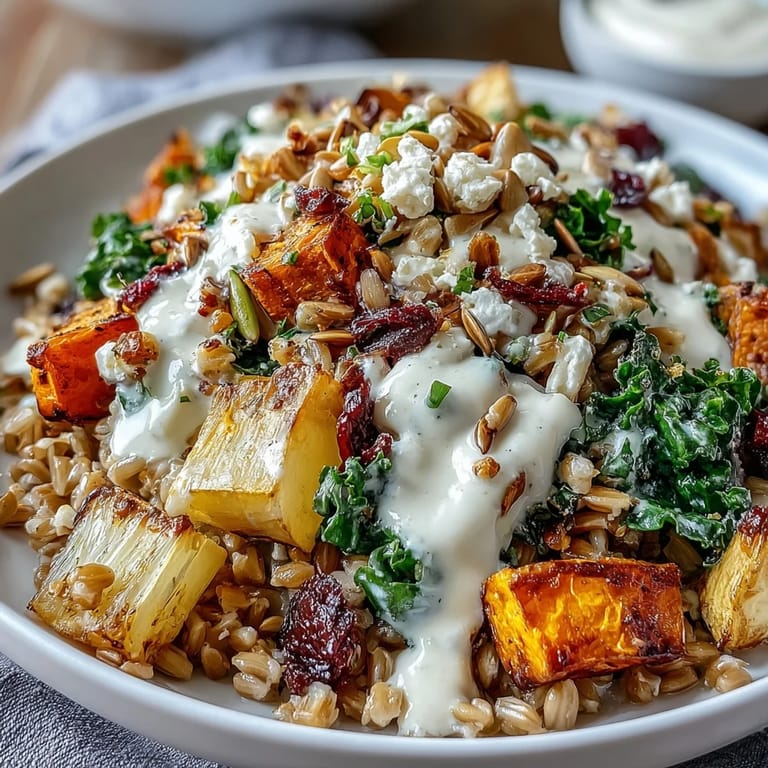
- Scatter pumpkin seeds and feta over the top, finish with fresh parsley, and serve immediately while everything is still warm enough to let the flavors meld together.
 Save to Pinterest
 There's something about eating from a bowl in winter that feels like self-care, even though you're just eating vegetables and grains. This bowl changed how I think about lunch—suddenly it wasn't something I rushed through, but something I actually looked forward to making.
Why This Bowl Works in Winter
Winter vegetables are at their peak flavor and sweetness right now, and roasting brings out a caramelized depth that raw vegetables simply can't match. The warm grains and wilted greens make the whole thing feel substantial in a way that matters when the days are short and the sun feels far away. There's also something grounding about building a meal from the earth instead of reaching for something quick and cold.
Variations That Actually Work
I've roasted beets instead of parsnips and been surprised by how the earthy sweetness shifts the whole flavor profile. Turnips offer a peppery bite that makes the dressing taste even more important. You can also play with your greens—collards take longer to cook but have a silkier texture, while arugula adds peppery notes if you add it raw at the end instead of cooking it down.
Building Layers That Matter
The magic of this bowl is that every component has a different texture and temperature arc—the grains cool slightly and become chewier, the vegetables stay warm and creamy inside, the greens soften further as they sit, and the seeds stay perpetually crisp. This isn't random; it's why the bowl stays interesting to eat from start to finish. Drizzle the dressing generously because tahini dressing is only as good as its presence in each bite.
- Make extra dressing if you're feeding people who like things generously dressed, because tahini can hide under roasted vegetables unexpectedly.
- If you're meal prepping, store the dressing separately and assemble the bowls just before eating so nothing gets soggy.
- This bowl is just as good cold the next day if you happen to have leftovers, though it tastes different enough that it feels like a new meal.
 Save to Pinterest
 This bowl has become my answer to those days when I need something nourishing and real, something that makes me feel like I'm actually taking care of myself instead of just getting through lunch. Make it once and you'll know exactly why it matters.
Questions & Answers
- → Can I make this grain bowl ahead of time?
Yes, prepare the grains and roasted vegetables up to 3 days in advance. Store them separately in airtight containers in the refrigerator. Reheat gently before assembling and add the dressing just before serving for best texture and flavor.
- → What other grains work well in this bowl?
Brown rice, wheat berries, barley, or millet make excellent substitutes for farro or quinoa. Adjust cooking times accordingly—brown rice and wheat berries take longer to cook, while millet cooks more quickly. Use vegetable broth for enhanced flavor.
- → How can I add more protein to this bowl?
Roasted chickpeas, grilled chicken, baked tofu, or a poached egg all pair beautifully with these flavors. You can also stir hemp seeds or toasted sunflower seeds into the grains while they cook for added protein and crunch.
- → Can I use different vegetables?
Absolutely. Beets, turnips, butternut squash, or Brussels sprouts roast wonderfully alongside the root vegetables. For spring versions, try asparagus and peas. In summer, use zucchini, bell peppers, and cherry tomatoes.
- → Is the tahini dressing necessary?
The tahini dressing adds rich, creamy texture that ties the bowl together. For alternatives, try a lemon-herb vinaigrette, garlic yogurt sauce, or avocado crema. Each complements the roasted vegetables and grains differently while maintaining the bowl's comforting nature.
- → How do I store leftovers?
Keep components separate in the refrigerator for up to 4 days. The grains and roasted vegetables reheat well in the microwave or a 350°F oven. Store the dressing separately and add fresh greens when serving to prevent wilting.