 Save to Pinterest
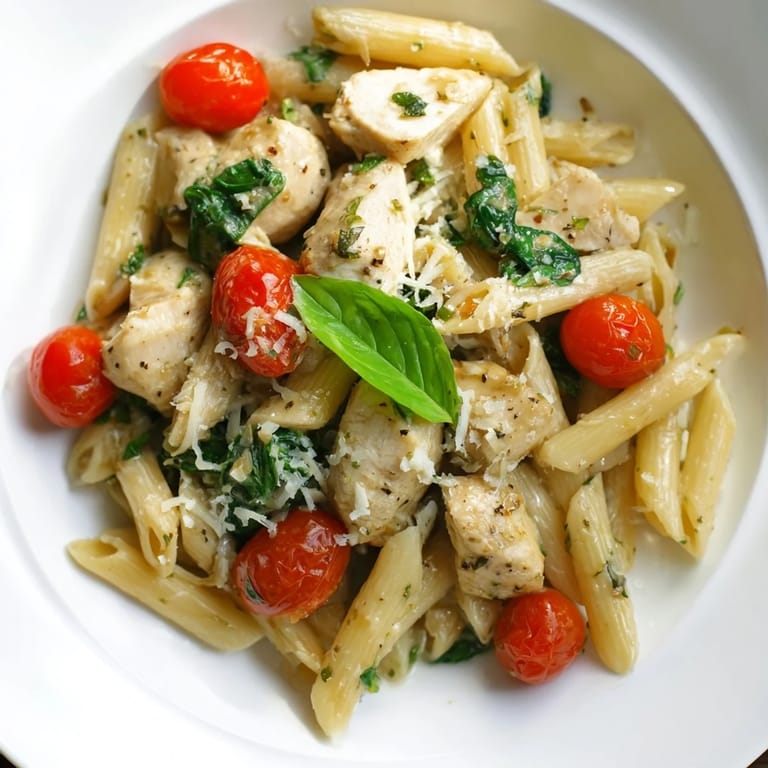
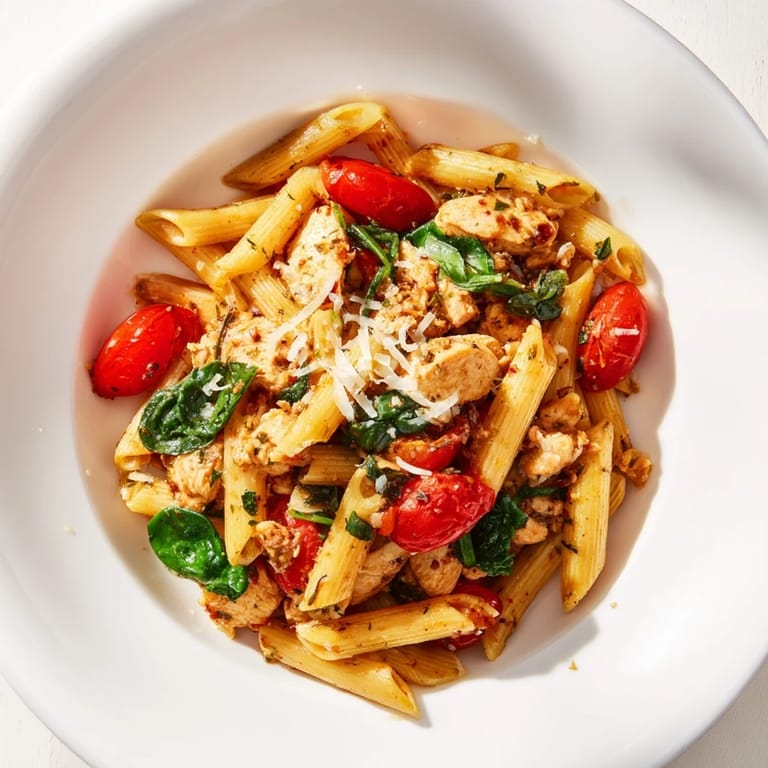
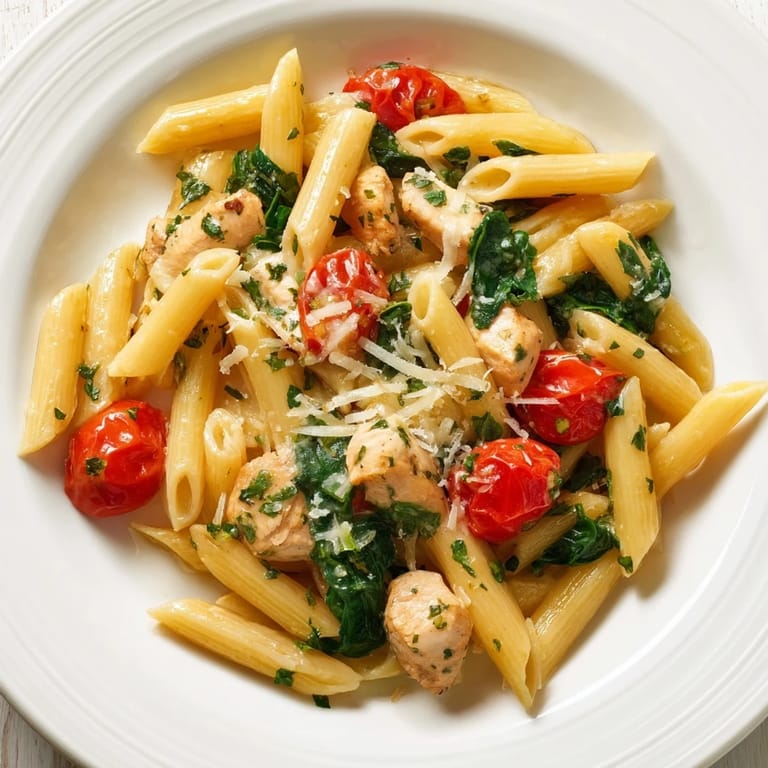
 The smell of lemon and garlic hitting hot olive oil still makes my stomach growl, instant and unembarrassed. I threw this together on a Tuesday when takeout felt like too much effort but boiling water and cooking protein separately seemed like climbing a mountain in flip-flops. Everything went into one pan, and forty minutes later, I was sitting on my kitchen floor eating directly from the skillet, wondering why I'd ever overcomplicated weeknight dinners.
My sister called while I was testing this version, and I had to put her on speakerphone because I was stirring with one hand and chopping herbs with the other. She asked what smelled so good, and when I described one-pan pasta with chicken, she went silent. She showed up at my door twenty minutes later with a baguette and wine. We ate standing up, leaning against the counter, and she kept saying how restaurant-quality it tasted for something that required basically zero cleanup.
Ingredients
- Boneless chicken breasts: Cutting into bite-sized pieces before cooking means faster, more even cooking and more surface area for browning
- Penne or fusilli pasta: Short shapes with ridges catch the sauce better than long noodles in this broth-heavy cooking method
- Olive oil: Use regular olive oil rather than extra virgin, as it handles higher heat without burning
- Garlic and onion: Minced garlic and finely chopped onion disperse evenly through the dish for consistent flavor in every bite
- Lemon zest and juice: Zest packs the aromatic oils, while juice provides the acidic brightness that balances the rich chicken and cheese
- Cherry tomatoes: They hold their shape better than larger tomatoes when simmered, adding bursts of sweetness
- Baby spinach: Added at the end so it just wilts, maintaining its vibrant color and fresh taste
- Fresh parsley and basil: Added at the end for pop, while dried herbs stand up better to the simmering process
- Dried oregano and thyme: These dried herbs develop depth during cooking, complementing the fresh herbs added later
- Chicken broth: Low-sodium broth lets you control salt levels while providing the cooking liquid for pasta
- Parmesan cheese: freshly grated melts better and offers a sharper, nuttier flavor than pre-grated varieties
- Salt and black pepper: Season in layers, salting the chicken first and adjusting at the end
Tired of Takeout? 🥡
Get 10 meals you can make faster than delivery arrives. Seriously.
One email. No spam. Unsubscribe anytime.
Instructions
- Sear the chicken:
- Heat olive oil in a large deep skillet over medium-high heat, add seasoned chicken pieces, and cook 3-4 minutes until lightly browned but not cooked through. Remove chicken to a plate, leaving any browned bits behind.
- Build the base:
- In the same pan, sauté onion and garlic for 2 minutes until fragrant and translucent, scraping up any flavorful browned bits from the bottom.
- Start the pasta:
- Add uncooked pasta, chicken broth, lemon zest, lemon juice, oregano, and thyme. Stir well to combine and bring to a boil.
- Simmer covered:
- Reduce heat to medium-low, cover, and simmer for 8 minutes, stirring occasionally to prevent sticking.
- Add chicken and tomatoes:
- Return chicken to the pan with cherry tomatoes and cook uncovered for 7-8 minutes until pasta is al dente and most liquid is absorbed.
- Finish with herbs and cheese:
- Stir in spinach, parsley, basil, and Parmesan. Cook 1-2 minutes until spinach wilts and cheese melts.
- Season and serve:
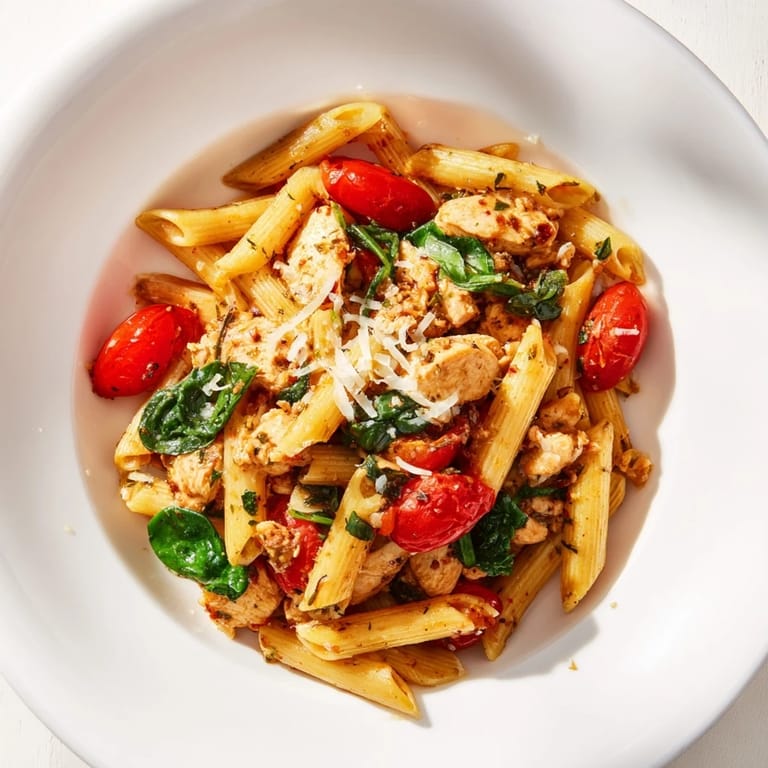
- Taste and adjust with more salt, pepper, or lemon juice as needed. Serve hot with extra Parmesan and fresh herbs scattered on top.
 Save to Pinterest
  Save to Pinterest
 This recipe became my go-to when I started hosting weekly dinners with friends who were all too busy to cook elaborate meals. Someone would bring wine, someone else would bring bread, and I'd make this. It became the dish we'd make together, everyone hovering over the pan, adding their own opinions about when the pasta looked done. Those nights turned into the highlight of my week, less about the food and more about the ease of gathering without the pressure of perfection.
Make It Your Own
Once you master the basic technique, this template handles endless variations. Use cream instead of broth for a richer version, or swap chicken for sausage and add kale instead of spinach. The method remains forgiving and adaptable.
Serving Suggestions
A crisp white wine cuts through the richness, and a simple green salad dressed with vinaigrette balances the one-pan nature of the main. Crusty bread is non-negotiable for soaking up any remaining sauce.
Make Ahead Wisdom
This dish tastes even better as leftovers, as the flavors deepen overnight. The pasta will absorb more liquid, so splash in a little extra broth when reheating. It also freezes well for up to three months.
- Reheat gently with a splash of broth or water to loosen the sauce
- Store in airtight containers in the refrigerator for up to four days
- Let the dish cool completely before freezing to prevent ice crystals
 Save to Pinterest
  Save to Pinterest
 Sometimes the best meals are the ones that don't require every pot in your kitchen or a degree in culinary arts to pull off. This pasta has fed me through busy weeks, late nights, and moments when I needed something comforting but refused to settle for takeout.
Questions & Answers
- → Can I use different pasta shapes?
Yes, penne and fusilli work exceptionally well because their ridges and shapes hold onto the flavorful sauce. Other short pasta like rotini, farfalle, or rigatoni would also be suitable options.
- → How do I store leftovers?
Store cooled leftovers in an airtight container in the refrigerator for up to 3 days. The pasta will continue absorbing liquid, so add a splash of broth or water when reheating on the stovetop.
- → Can I make this gluten-free?
Simply substitute the regular pasta with your favorite gluten-free pasta variety. Brown rice penne or chickpea fusilli both work beautifully and maintain good texture in this dish.
- → What can I substitute for chicken broth?
Vegetable broth creates a lighter version, while water with extra herbs and Parmesan rinds works in a pinch. For richer flavor, try half broth and half white wine.
- → Can I add other vegetables?
Absolutely. Bell peppers, zucchini, artichoke hearts, or asparagus pieces can be added along with the cherry tomatoes. Adjust cooking time accordingly so vegetables don't overcook.
- → Is the chicken fully cooked before adding back?
The chicken only needs a quick sear initially to develop color and flavor. It finishes cooking gently in the simmering liquid, ensuring it stays tender and juicy rather than becoming tough.