 Save to Pinterest
 My first hojicha mousse happened by accident on a quiet autumn afternoon when I was experimenting with leftover tea leaves from a gift my neighbor had given me. The roasted aroma filled the kitchen so completely that I couldn't resist transforming it into something more than just a cup. What emerged was this impossibly light, almost cloud-like dessert that tasted nothing like the heavy chocolate mousses I'd made before, and everything felt right about it.
I made this for a small dinner party last spring when a friend mentioned never having had a Japanese dessert, and watching their face when they tasted that first spoonful was worth every minute of prep. The conversation shifted entirely after that, moving from polite small talk to questions about where the hojicha came from and whether they could learn to make it themselves.
Ingredients
- Hojicha tea leaves: Use the whole leaves rather than powder for a cleaner steep, and look for a recent roast so the roasted notes are still vibrant and not faded.
- Whole milk: The fat matters here even though there's no cream, as it carries the tea flavor beautifully and creates a silkier base.
- Eggs: Separate them carefully over a bowl, making sure no yolk sneaks into the whites or they won't whip properly.
- Granulated sugar: Split between the yolks and whites for balance, helping the yolk mixture thicken and the whites hold their peaks.
- Vanilla extract: A small amount that doesn't compete but deepens the tea character instead.
- Cornstarch: Acts as a gentle thickener so you don't need as much gelatin, keeping the mousse tender and not rubbery.
- Powdered gelatin: Bloom it properly or it won't dissolve evenly and you'll get grainy spots in your mousse.
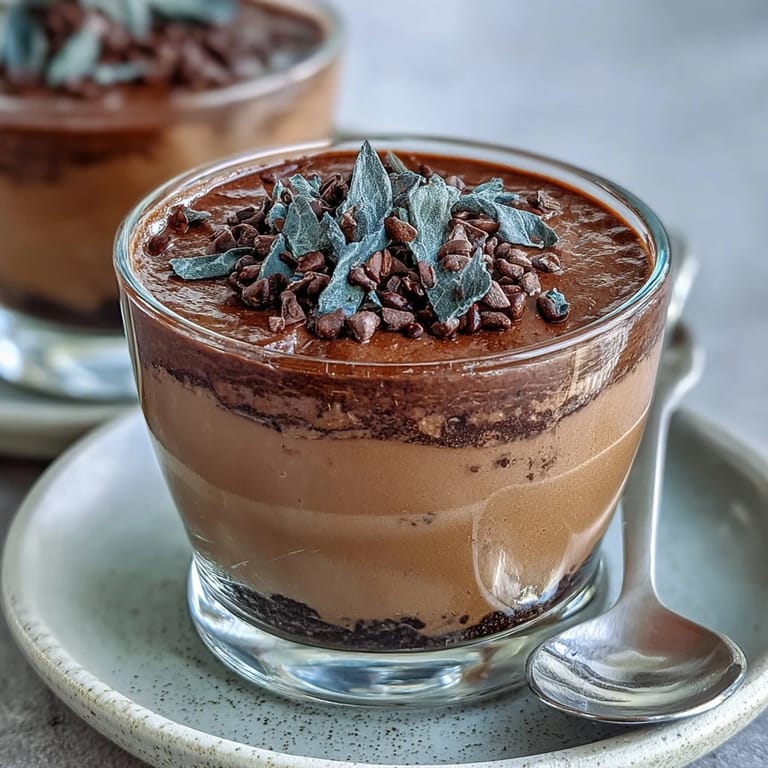
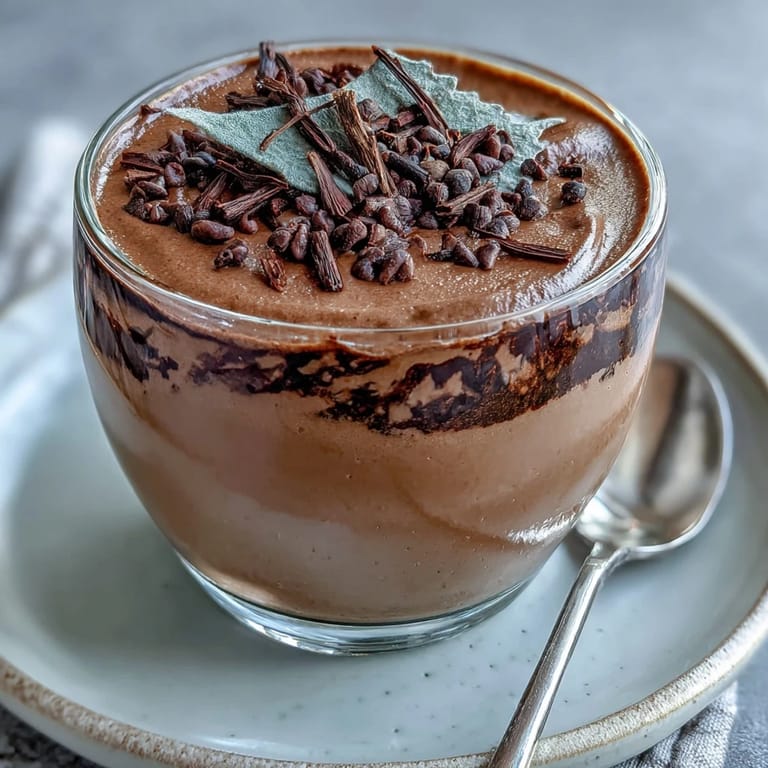
- Toasted hojicha leaves or cocoa nibs: Either garnish adds texture and a reminder of what makes this dessert special.
Tired of Takeout? 🥡
Get 10 meals you can make faster than delivery arrives. Seriously.
One email. No spam. Unsubscribe anytime.
Instructions
- Steep the hojicha in warm milk:
- Heat the milk until small wisps of steam rise, then pour it over the tea leaves in a covered bowl and let time do the work. After 10 minutes, strain everything through a fine sieve and you'll have liquid that smells like a cozy tea house.
- Prepare the gelatin:
- Sprinkle it over cold water and wait those 5 minutes without rushing, letting the granules absorb moisture so they'll dissolve smoothly later. This blooming step is what prevents lumpy texture.
- Make the custard base:
- Whisk the yolks with sugar until they turn pale and thick, then slowly add the warm hojicha milk while whisking to prevent scrambling. You're creating an emulsion that will hold everything together.
- Cook over gentle heat:
- The bain-marie (bowl over simmering water) is your friend here, letting the mixture thicken gradually without any risk of curdling. You'll feel the mixture coat the back of a spoon when it's ready, usually around 3 to 5 minutes.
- Dissolve the gelatin:
- Stir the bloomed gelatin into the hot custard and you'll watch it disappear into smooth liquid, then add the vanilla and let everything cool naturally. Stirring occasionally helps it cool evenly without developing a skin on top.
- Whip the egg whites:
- Start with soft peaks that look like ocean waves, then sprinkle in the remaining sugar and keep beating until the peaks stand glossy and firm. The transformation from foamy to meringue-like usually takes 3 to 4 minutes with an electric mixer.
- Fold gently:
- Work in three additions so you never lose all the air you just beat in, using a rubber spatula to scoop from the bottom and fold rather than stir. The mousse should go from dark hojicha to lighter and airier with each fold.
- Chill until set:
- Pour into glasses or ramekins and refrigerate for at least 2 hours, which gives the gelatin time to do its job and the flavors to settle. You can make this a day ahead if you cover it well.
- Garnish and serve:
- A sprinkle of toasted hojicha leaves or cocoa nibs on top just before serving adds a little contrast and reminds people what they're tasting.
 Save to Pinterest
 There was one evening when I made this mousse for someone who was going through a quiet grief, and how they sat with their spoon and the dessert for nearly ten minutes without speaking told me that sometimes food becomes a language when words aren't enough. That's when I understood this recipe was never just about creating air and flavor.
The Science of Light and Airy
The magic of mousse lives in the egg whites, which trap thousands of tiny air bubbles when you whip them, creating structure without heaviness. Hojicha mousse benefits from this technique because the roasted tea flavor is delicate enough to shine through rather than getting masked by richness. The gelatin stabilizes everything so those bubbles stay intact during chilling, giving you that spoon-tender texture that melts immediately.
Choosing and Storing Hojicha
Hojicha loses its vibrancy over time, so buying from a source where you know the tea turns over quickly matters more than you'd think. Store what you have in an airtight container away from light, and if your hojicha smells stale or musty, it's time to replace it. A fresh batch will steep into a beautiful golden-brown liquid, while old hojicha might turn muddy and bitter.
Variations and Serving Ideas
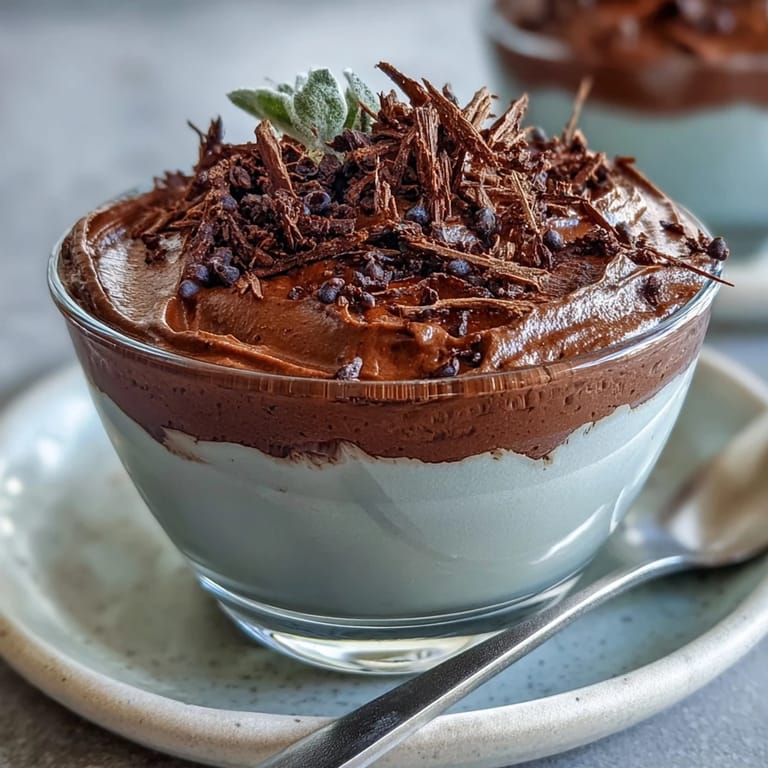
This mousse is a quiet dessert that lets other flavors play alongside it rather than demanding all the attention. Serve it with fresh berries that provide brightness and tartness, or pair it with a light floral sake if you're looking to extend the tea experience. You can also layer it with sweetened whipped cream for those who prefer more richness, though the minimalist version is what makes this recipe special.
- Make a dairy-free version by swapping whole milk for oat milk, which has a naturally creamy body that complements the roasted tea.
- Sift your hojicha powder finely before steeping to avoid any grittiness that can hide in the mousse.
- Chill your serving glasses or ramekins before filling them, which helps the mousse set more evenly and look more professional.
 Save to Pinterest
 This hojicha mousse became my answer to the question of how to serve something that feels both refined and approachable, special but not intimidating. It's the kind of dessert that makes people slow down and pay attention, which in today's world might be the most precious thing a recipe can offer.
Questions & Answers
- → What is hojicha and how does it affect flavor?
Hojicha is a roasted Japanese green tea with warm, nutty, and slightly caramelized notes, lending a unique depth to desserts.
- → Can I substitute the milk in this mousse?
Yes, whole milk can be replaced with plant-based alternatives like oat or almond milk for a dairy-free variation.
- → How is the mousse stabilized without heavy cream?
Gelatin is used to provide structure while keeping the mousse light and airy without relying on heavy cream.
- → What technique ensures a smooth, airy texture?
Careful folding of whipped egg whites into the cooled hojicha mixture maintains airiness without deflating the mousse.
- → What garnish options complement the mousse?
Toasted hojicha leaves or cocoa nibs add a subtle crunch and enhance the toasted flavor profile.
- → How long should the mousse chill before serving?
Chill the mousse at least two hours to allow it to fully set for best texture and flavor.