 Save to Pinterest
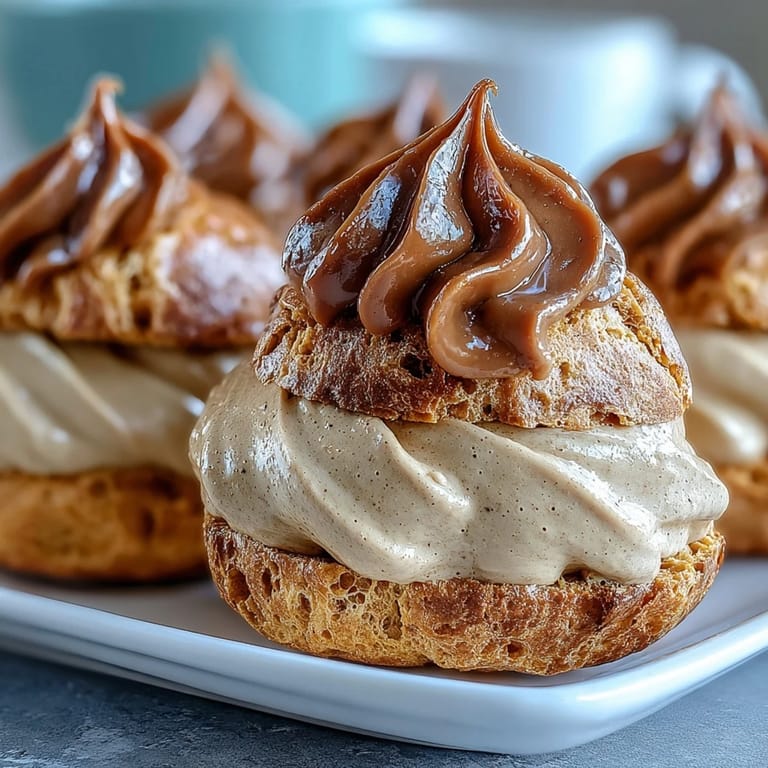
 In the world of pastry, there exists a quiet hero - the hojicha pastry cream. This silky, aromatic custard infused with roasted Japanese tea transforms ordinary desserts into something extraordinary. With its nutty, mellow flavor and subtle smoky notes, this Japanese-French fusion creation bridges culinary traditions in the most delicious way possible.
Save to Pinterest The magic of hojicha lies in its roasting process, which transforms regular green tea leaves into something with complex caramel and coffee-like notes. When steeped in warm milk, these flavors bloom beautifully, creating a pastry cream that's sophisticated yet comforting - perfect for filling delicate choux pastries or adding depth to layered desserts.
Ingredients
Tired of Takeout? 🥡
Get 10 meals you can make faster than delivery arrives. Seriously.
One email. No spam. Unsubscribe anytime.
- 2 cups (480 ml) whole milk
- 3 tablespoons (40 g) unsalted butter
- 3 tablespoons (about 5 g) hojicha loose leaf tea or 3 hojicha tea bags
- 4 large egg yolks
- 1/2 cup (100 g) granulated sugar
- 3 tablespoons (25 g) cornstarch
- 1/2 teaspoon vanilla extract
- Pinch of salt
Instructions
- Step 1
- In a medium saucepan, heat the milk over medium heat until steaming but not boiling.
- Step 2
- Add the hojicha tea. Remove from heat, cover, and steep for 10 minutes.
- Step 3
- Strain the milk through a fine mesh sieve, pressing the tea leaves to extract maximum flavor. Discard leaves.
- Step 4
- In a mixing bowl, whisk together egg yolks, sugar, cornstarch, and salt until smooth and pale.
- Step 5
- Gradually pour the warm hojicha-infused milk into the yolk mixture, whisking constantly to temper the eggs.
- Step 6
- Return the mixture to the saucepan. Cook over medium heat, whisking constantly, until thickened and bubbling, about 2–3 minutes.
- Step 7
- Remove from heat and whisk in butter and vanilla extract until fully incorporated.
- Step 8
- Transfer pastry cream to a clean bowl. Press plastic wrap directly onto the surface to prevent a skin from forming.
- Step 9
- Chill in the refrigerator for at least 1 hour, or until completely cool and set.
- Step 10
- Before using, whisk briefly to smooth out the cream.
Zusatztipps für die Zubereitung
Constant whisking during cooking is essential to prevent lumps from forming in your pastry cream. If you notice any small lumps after cooking, you can strain the mixture through a fine mesh sieve before chilling. The cooling process is crucial for the proper setting of the cream - rushing this step will result in a filling that's too loose for piping.
Varianten und Anpassungen
For a lighter texture, fold in 1/2 cup of lightly whipped cream before using as a filling. If hojicha loose leaf tea isn't available, substitute with 2 teaspoons of hojicha powder whisked directly into the milk. You can adjust the intensity of the tea flavor by increasing or decreasing the steeping time - 10 minutes provides a balanced flavor, but tea enthusiasts might prefer up to 15 minutes for a stronger taste.
Serviervorschläge
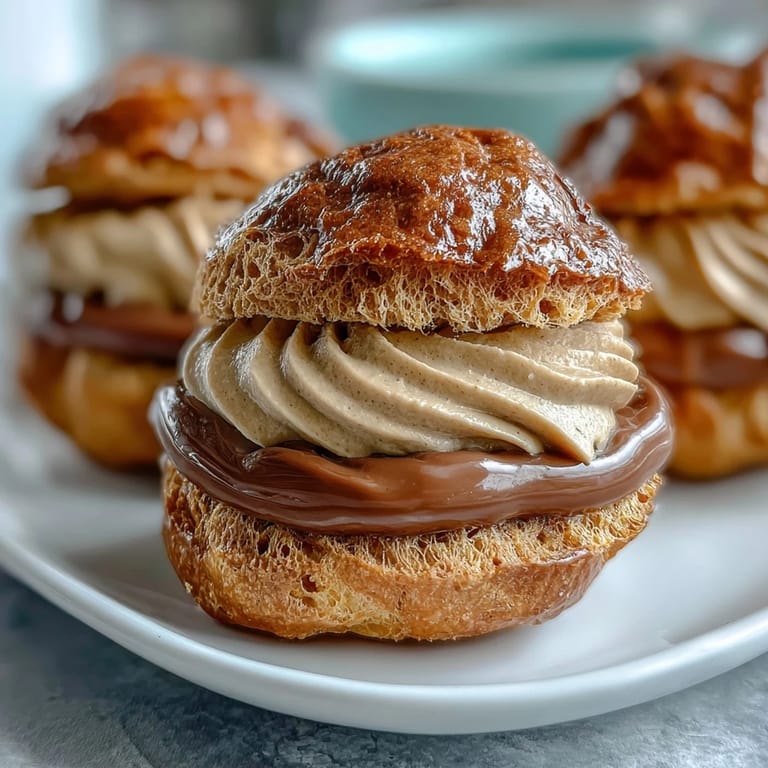
This aromatic pastry cream shines when paired with complementary flavors. Fill matcha choux pastry with this hojicha cream for a Japanese tea-themed dessert. Layer between sponge cake with fresh berries for a sophisticated tea-time treat. Or simply pipe into traditional éclairs and dust with powdered sugar for an elegant finish that lets the nutty hojicha flavor take center stage.
 Save to Pinterest
 This hojicha pastry cream represents the beautiful intersection of Japanese tea culture and French pastry tradition. The resulting filling, with its nutty, toasty notes and silky texture, proves that culinary innovation often happens at cultural crossroads. Whether piped into choux pastry, spread between cake layers, or simply enjoyed by the spoonful (we won't tell), this aromatic cream adds sophisticated flavor to any dessert it graces.
Questions & Answers
- → What is hojicha and how does it affect the flavor?
Hojicha is roasted green tea, providing a nutty, mellow flavor with subtle smokiness that enriches the custard’s taste profile.
- → Can I substitute hojicha powder instead of loose leaf tea?
Yes, using hojicha powder is possible by whisking it directly into warm milk—reduce quantity to maintain balance.
- → How should the custard be cooled after cooking?
Cover the surface with plastic wrap to prevent skin, then chill in the refrigerator for at least one hour until fully set.
- → What dishes benefit from this hojicha custard?
This custard is ideal for filling pastries like cream puffs, éclairs, or layering in refined desserts requiring a smooth texture.
- → Is it possible to lighten the custard’s texture?
Folding in lightly whipped cream before use can create a lighter, airy consistency while retaining flavor richness.