 Save to Pinterest
 Last winter, I was browsing a tiny tea shop in Kyoto when the owner handed me a small cup of hojicha pudding she'd made that morning. The moment it touched my tongue, I understood why this humble dessert didn't need fancy plating or complicated techniques—the roasted tea's warm, nutty whisper paired with the silky custard felt like a quiet conversation between two old friends. I've been chasing that exact feeling in my own kitchen ever since, and honestly, it's easier to recreate than you'd think.
My neighbor stopped by one evening after I'd made a batch, and I watched her face light up when the spoon broke through the set custard. She said it reminded her of something from childhood but couldn't quite place it—turns out her grandmother used to make a similar pudding in Tokyo. We ended up sitting on the kitchen counter eating straight from the glasses, trading stories about family recipes and what makes certain flavors feel like home.
Ingredients
- Whole milk (2 cups): The backbone of your custard—use the freshest bottle you have, since its sweetness and richness will shine through without competing flavors.
- Heavy cream (1/2 cup): This is what creates that luxurious, velvety mouthfeel that separates pudding from mere custard sauce.
- Hojicha loose leaf tea (2 tablespoons): Hunt for quality tea if you can; the difference between grocery store and specialty tea shop hojicha is like hearing a song through phone speakers versus live.
- Granulated sugar (1/4 cup): Measure it out before you start—scrambling mid-recipe when your hands are sticky is no fun.
- Large eggs (2): Room temperature eggs whisk more smoothly and incorporate air better, which keeps your custard from becoming grainy.
- Vanilla extract (1 teaspoon): A gentle whisper that doesn't fight the hojicha but helps round out its earthiness.
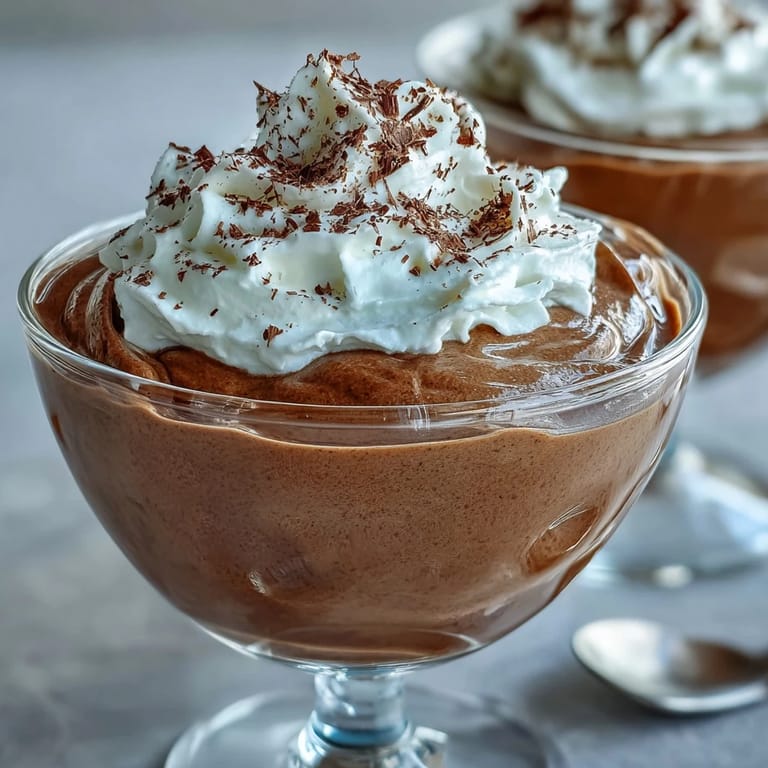
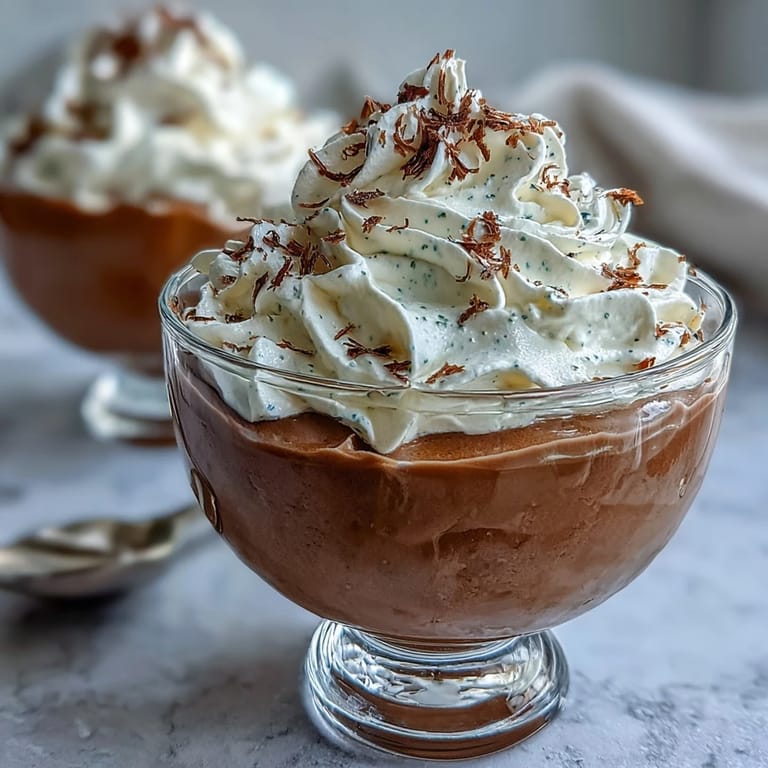
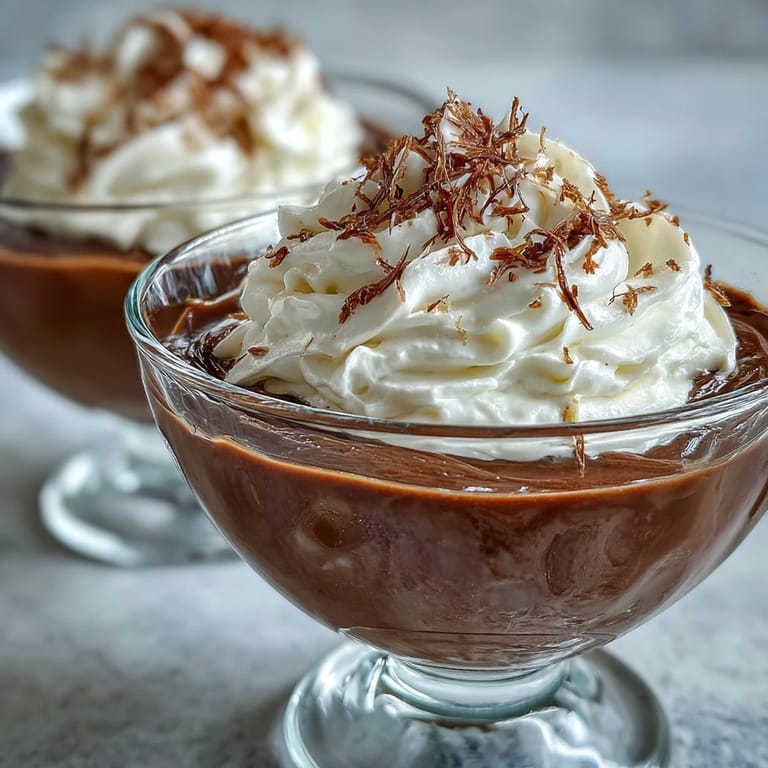
- Whipped cream (optional garnish): A cloud of cool sweetness that contrasts beautifully with the warm, toasted tea flavor.
- Roasted tea leaves or cocoa powder (for topping): Choose one based on your mood—the tea leaves echo the main flavor, while cocoa powder adds a subtle shadow.
Tired of Takeout? 🥡
Get 10 meals you can make faster than delivery arrives. Seriously.
One email. No spam. Unsubscribe anytime.
Instructions
- Heat the cream and milk together:
- Pour both into a saucepan and watch the surface carefully as it warms—you're looking for tiny bubbles gathering at the edges, which means it's ready. The moment you see that, pull it off the heat; boiling will scald the milk and create a bitter taste you can't undo.
- Steep the hojicha into the warm liquid:
- Drop in your tea leaves or bags and let them do their work for 5 to 7 minutes, depending on how strong you like your tea flavor—I lean toward the longer side because the roasted depth gets better with time. The kitchen will smell like toasted grain and comfort.
- Strain without rushing:
- Pour through a fine mesh strainer slowly, pressing gently on the leaves with the back of a spoon to extract every bit of flavor, but don't squeeze so hard that you push sediment through. This step is your secret to silky, not grainy, pudding.
- Whisk eggs and sugar until pale:
- In a separate bowl, combine the two and whisk for about 2 minutes—the mixture should go from yellow to pale like butter, which means the eggs are incorporating air and the sugar is dissolving. This is harder to rush than it sounds, but it's worth the patience.
- Temper the eggs by pouring hot liquid slowly:
- Here's where people get nervous, but it's actually forgiving: pour the warm hojicha milk into the eggs in a thin stream while whisking constantly, which heats them gently without scrambling them. If you pour it all at once, you'll have sweetened scrambled eggs—not the vibe we're going for.
- Add vanilla and strain once more:
- Stir in the vanilla, then pour the entire mixture through a fine sieve into a clean pot, which removes any tiny cooked egg bits or tea dust that escaped the first straining. This second straining is the difference between restaurant-quality smooth and homemade-rough.
- Cook the custard to the perfect thickness:
- Set the heat to low and stir constantly with a spatula, scraping the bottom and sides, for 5 to 7 minutes until the mixture coats the back of the spoon like thick cream. Test it by running your finger across the spoon—if a clear line stays, you're there.
- Cool and chill patiently:
- Pour into glasses or ramekins and let it sit on the counter for 30 minutes to an hour before refrigerating, which prevents condensation from pooling on top. Once chilled for at least 2 hours, the custard will set to that perfect wobbling firmness.
 Save to Pinterest
 There's a particular joy in making something delicate and refined in your home kitchen, something that feels restaurant-worthy but lives in a regular drinking glass on your regular table. The first time I served this to my family, my dad took one spoonful and went quiet—the kind of quiet that means food has said something words can't quite reach.
The Art of Hojicha
Hojicha gets roasted a second time after it's processed as tea, which transforms regular green tea into something entirely different—earthy, toasted, almost nutty, with way less caffeine so you can actually eat this after dinner. The roasting creates complexity that pairs beautifully with custard's creamy sweetness, and the flavor is forgiving enough that even if you slightly overbrew or underbrew it, the pudding still tastes intentional and delicious.
Temperature Matters More Than You'd Think
Custard is one of those dishes where temperature precision is genuinely important, not just chef-speak—too hot and your eggs scramble, too cold and they don't cook enough to thicken the pudding. A thermometer helps, but honestly, the traditional spoon-coating test works just fine once you've made it a couple of times and know what you're feeling for.
Serving and Storing Like You Mean It
This pudding keeps in the refrigerator for up to 3 days, though it tastes best within 24 hours when the hojicha flavor is brightest. Serve it straight from the fridge in whatever glasses make you happy—there's no rule that says dessert has to look fussy, and sometimes the most elegant thing is simplicity itself.
- Add whipped cream just before serving so it doesn't deflate sitting on top of the cold custard.
- A sprinkle of fleur de sel on top of sweet desserts sounds weird but creates a tiny flavor surprise that makes people go quiet the same way my dad did.
- If you make this for someone special, remember that food always tastes better when it's made with intention and served with genuine care.
 Save to Pinterest
 Making hojicha pudding has taught me that some of the most memorable desserts are the quiet ones, the ones that don't shout but settle into you like a favorite sweater. Every time you make it, you're a little closer to nailing that exact moment when silky meets earthy, and honestly, that's the whole joy of cooking.
Questions & Answers
- → What is hojicha and how does it affect flavor?
Hojicha is a roasted green tea with a warm, earthy aroma that imparts a toasty, slightly nutty flavor, giving the custard a unique depth.
- → Can I substitute hojicha leaf with powder?
Yes, hojicha powder can be used instead of leaves; whisk 2 teaspoons directly into the milk mixture for a smooth infusion.
- → How do I ensure the custard is silky and smooth?
Strain the tea-infused milk before mixing with eggs and cook gently over low heat, stirring constantly to avoid curdling or lumps.
- → Is there a way to make this custard vegan?
Replace dairy with coconut milk and plant-based cream, and use cornstarch instead of eggs to achieve a similar texture.
- → What are some serving suggestions for this dessert?
Top with whipped cream and sprinkle roasted tea leaves or cocoa powder; it pairs well with fresh berries or a light drizzle of honey.