 Save to Pinterest
 My coworker brought hojicha tea to the office one afternoon, and I was struck by how it smelled like a toasted forest—warm, almost nutty, nothing like the grassy matcha I'd tried before. That evening, I stood in my kitchen wondering if those roasted tea leaves could do something unexpected, and tiramisu suddenly seemed like the obvious answer. The result was this creamy, dreamy dessert that tastes like East meets West in the most delicious way possible.
I made this for a dinner party last autumn when the air was finally cool enough to crave something creamy, and my friend Sarah took one bite and closed her eyes like she was remembering something important. She told me it tasted like a moment between two worlds, and that stuck with me. Now whenever I make it, I think about how food can be a bridge between cultures and people.
Ingredients
- Hojicha loose leaf tea: Use quality loose leaf if you can—tea bags work fine, but loose leaves give a cleaner, more aromatic steep without any papery taste.
- Mascarpone cheese: Take it out of the fridge 15 minutes before using so it's soft and folds in smoothly without lumps.
- Egg yolks: The double boiler method matters here; it gently cooks the eggs to a safe temperature while creating that silky, mousse-like texture tiramisu needs.
- Heavy cream: Keep it cold, and whip it just until stiff peaks form—overwhip and you'll have grainy, broken cream that won't fold gently.
- Ladyfinger biscuits: The brief dip is everything; a long soak makes them mushy and sad, but a quick kiss of hojicha syrup lets them soften just enough while staying structure-intact.
- Hojicha powder or cocoa powder: A fine dusting at the end is the final touch that brings the whole thing together visually and flavor-wise.
Tired of Takeout? 🥡
Get 10 meals you can make faster than delivery arrives. Seriously.
One email. No spam. Unsubscribe anytime.
Instructions
- Brew your hojicha foundation:
- Bring water to a rolling boil, add the loose leaf tea, and let it steep for exactly five minutes—any longer and it becomes bitter instead of pleasantly toasted. Strain while hot and stir in the sugar until it dissolves, then set aside to cool completely.
- Create the silky egg base:
- Whisk egg yolks and sugar in a heatproof bowl, then place it over simmering water (the bowl shouldn't touch the water). Keep whisking constantly for five to seven minutes until it's pale, thick, and reaches a safe temperature—you'll see it transform from thin liquid to ribbony custard.
- Build the cream layers:
- In one bowl, whip cold heavy cream to stiff peaks (stop as soon as you see peaks form). In another, beat softened mascarpone with vanilla until creamy and smooth. Gently fold the cooled egg mixture into the mascarpone, then fold in the whipped cream in two additions, moving slow and sure so the air stays trapped inside.
- Assemble with intention:
- Dip each ladyfinger into the cooled hojicha syrup for about one second per side—quick enough that it stays firm but absorbs enough flavor. Layer them in a single coat across the bottom of your dish, then spread half the mascarpone cream on top, smooth and even.
- Layer and repeat:
- Dip another batch of ladyfingers the same way and arrange them over the cream layer, then top with the remaining mascarpone mixture, spreading it gently to the edges.
- Chill and be patient:
- Cover the dish and refrigerate for at least four hours, but overnight is genuinely better—the flavors marry together and the texture becomes custard-like and perfect. The waiting is the hardest part, but it's worth every minute.
- Dust and serve:
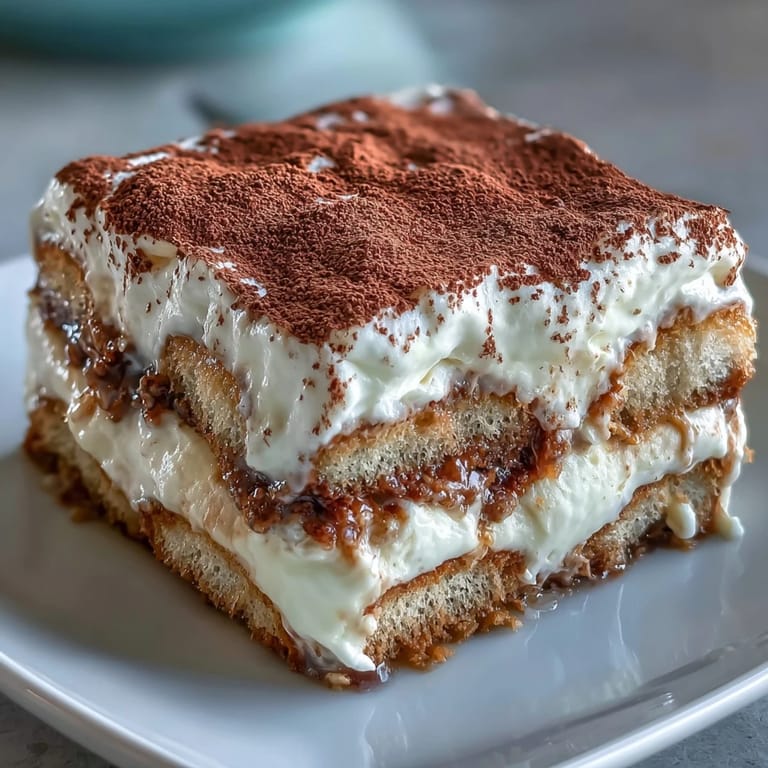
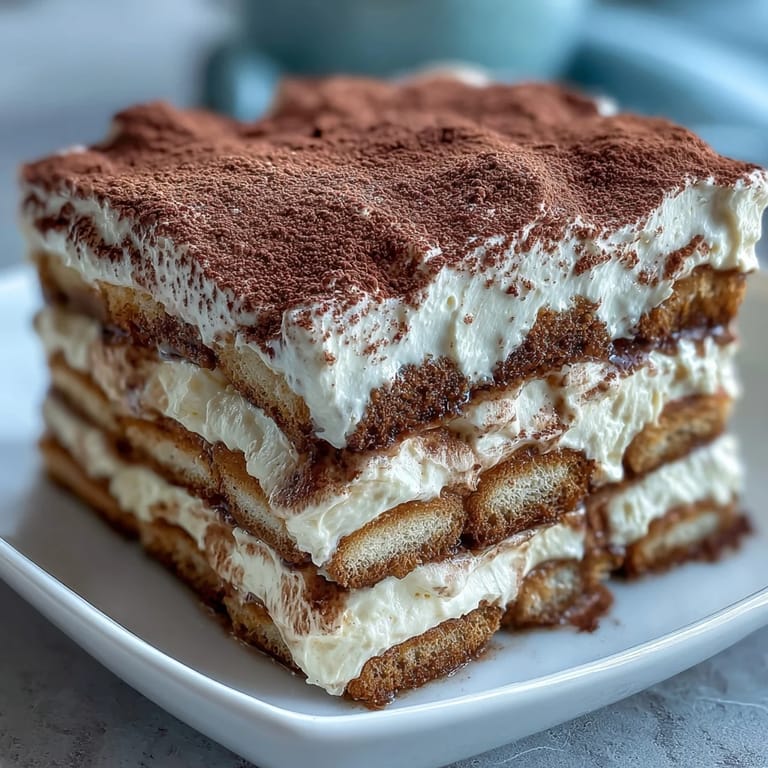
- Just before serving, use a sifter or fine mesh strainer to dust a generous layer of hojicha or cocoa powder across the top. The contrast between the dark powder and cream is beautiful, and it smells incredible.
 Save to Pinterest
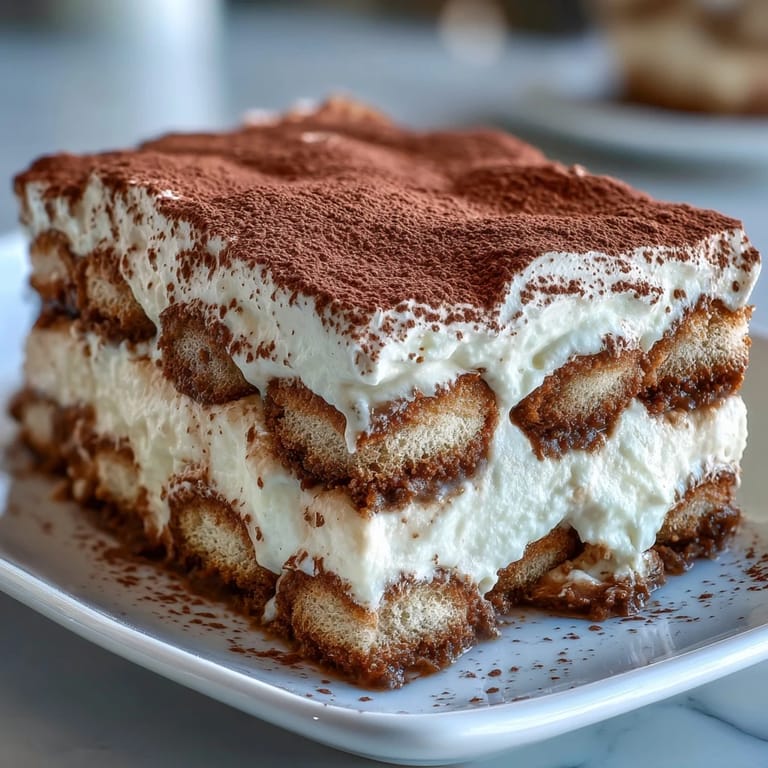
 There's something magical about pulling this dessert out of the fridge and seeing how the cream has set into this perfect, spoonable cloud, how the hojicha has seeped into every layer and created this whole new flavor that didn't exist when you started. It feels like alchemy, like you've turned simple ingredients into something that tastes like autumn and afternoon and gratitude all at once.
The Beauty of Hojicha Over Coffee
Most traditional tiramisu relies on espresso to do the heavy lifting, but hojicha brings something different to the table—a warmth that's more subtle, more sophisticated, less aggressive. It whispers instead of shouts, and somehow that makes the mascarpone taste creamier and the ladyfingers taste more delicate. You're not fighting flavors here; they're dancing together in a way that feels surprising every single time you taste it.
Make-Ahead Magic
This is genuinely one of the best desserts to make when you're expecting guests, because you can prepare it the day before and actually relax instead of sweating in the kitchen an hour before people arrive. I've made it on a Tuesday for a Saturday dinner and it was even better than the same-day version—the flavors deepen, the cream sets firmer, and somehow it tastes like you put in more effort than you actually did. It's the kind of dessert that looks like you have your life together, even if you made it while wearing your most stained apron.
Flavor Adventures and Variations
Once you understand how this dessert works, it becomes a playground for small experiments. I've added a splash of coffee liqueur to the syrup and watched people's eyebrows raise as they tried to name what they were tasting. I've sprinkled toasted sesame seeds on top and made it feel instantly more Japanese. I've even tried matcha once, and while it was beautiful and bright, I keep coming back to hojicha because it's the perfect bridge between the Italian richness and the Japanese elegance.
- For an adults-only version, stir two tablespoons of Marsala wine or coffee liqueur into the cooled hojicha syrup before dipping.
- Toast a few sesame seeds or chop some roasted nuts fine and scatter them over the top just before serving for extra texture and nuttiness.
- If hojicha isn't available where you live, matcha works beautifully too, though it'll taste grassier and brighter instead of warm and toasted.
 Save to Pinterest
 This hojicha tiramisu has become one of those recipes I make when I want to feel capable and creative, when I want to feed people something that matters. It's uncomplicated and deeply satisfying all at once.
Questions & Answers
- → What is hojicha and how does it affect the flavor?
Hojicha is a roasted Japanese green tea that introduces warm, earthy, and slightly nutty flavors, balancing the mascarpone's richness beautifully.
- → How should the ladyfingers be soaked?
Briefly dip each ladyfinger into the cooled hojicha syrup without soaking to prevent sogginess and maintain structure in the dessert.
- → Can this dessert be prepared in advance?
Yes, chilling the assembled dessert for at least four hours or overnight helps layers set and flavors meld for the best texture and taste.
- → Is there an option to add an alcohol component?
For a boozy touch, 2 tablespoons of coffee liqueur or Marsala wine can be added to the hojicha syrup, enhancing depth in flavor.
- → How can the topping be varied?
Dusting with cocoa powder or hojicha powder provides a finishing touch, while garnishing with toasted sesame seeds or chopped nuts adds extra nuttiness and texture.
- → Are there any common allergens to be aware of?
This dessert contains eggs, dairy, and gluten from mascarpone, cream, and ladyfingers; check for soy or nut traces depending on ladyfinger brands.